
𓋹
The Roll of Honour
Honorary Knights Apotheon, honoris causa
The Roll of Honour commemorates those whose lives and works have exemplified the sacred faculty of creation and contributed to the cultural, intellectual and spiritual inheritance of humanity.
The distinction of Honorary Knight Apotheon, honoris causa, may be conferred upon individuals whose contributions are held in particular esteem by the Order. The honour may be bestowed posthumously and does not imply prior membership in the Order or the undertaking of its guarded oaths.
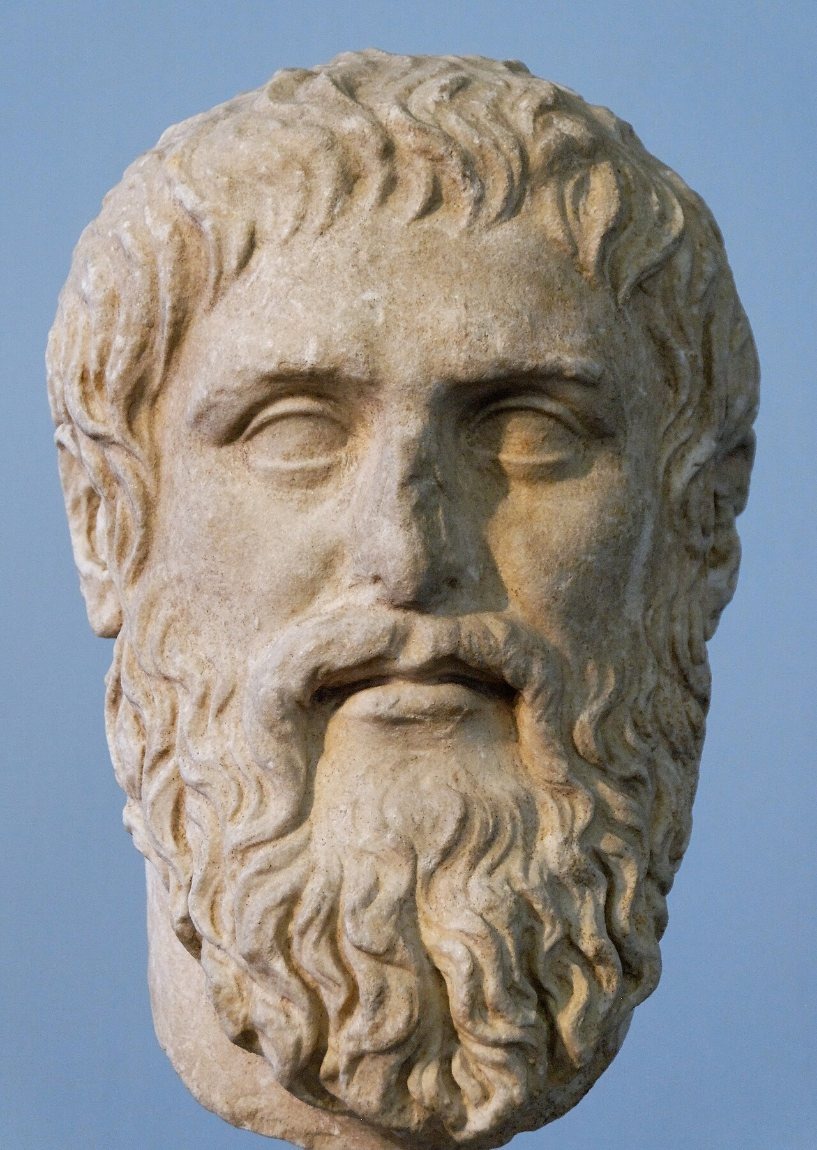 | PlatoFor his contributions to philosophy and the pursuit of truth, beauty and the good, and for the enduring influence of his thought upon humanity’s understanding of reality and the divine. | c. 427–347 BC |
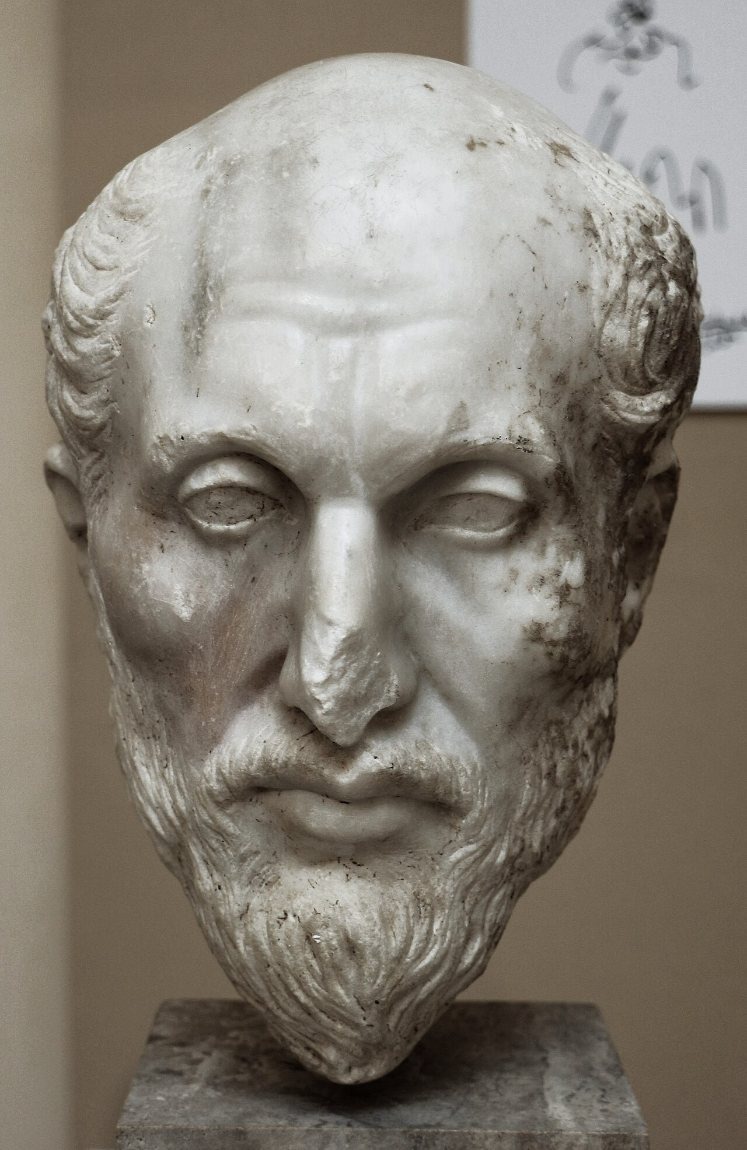 | PlotinusFor his exploration of the relationship between the One, intellect, beauty and the soul, and for the philosophical inheritance through which later generations contemplated creation and transcendence. | c. 204–270 |
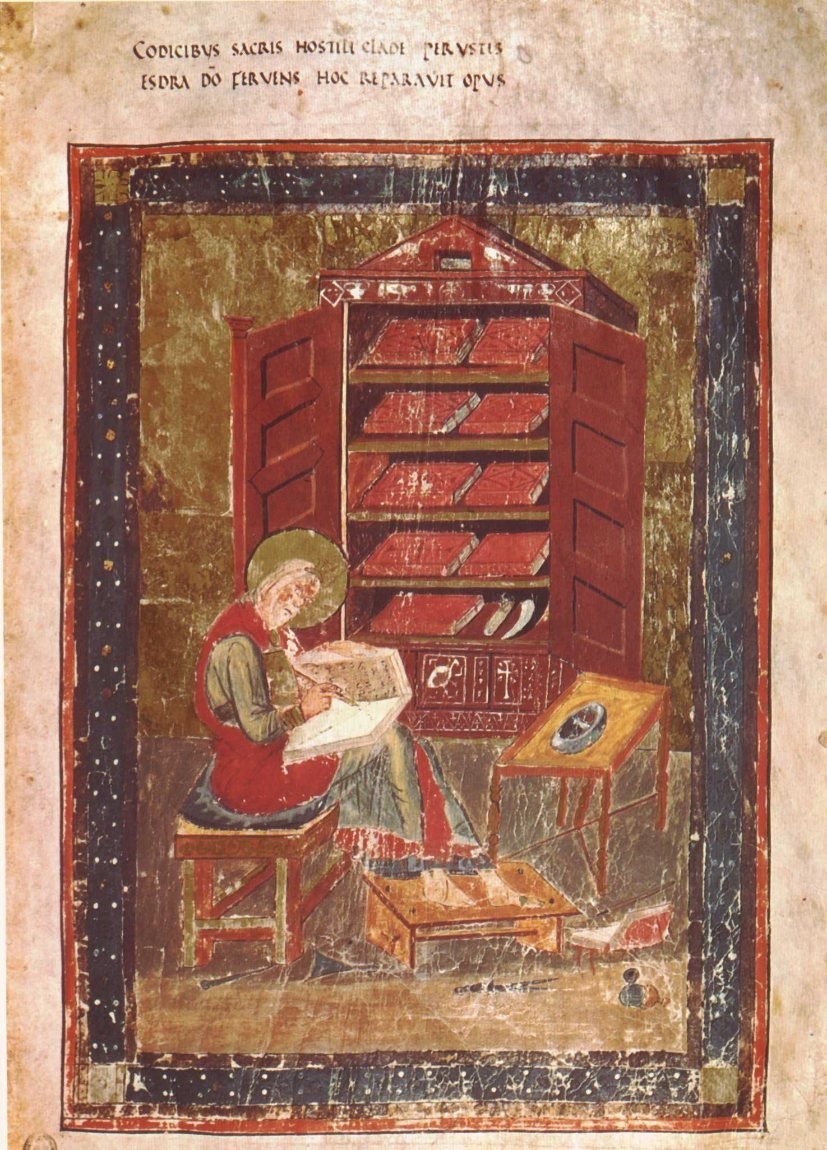 | CassiodorusFor his contributions to the preservation of learning, founding at Vivarium a house in which the copying of books became a sacred labour, and through which much of the ancient inheritance passed into the keeping of later ages. | c. 485–c. 585 |
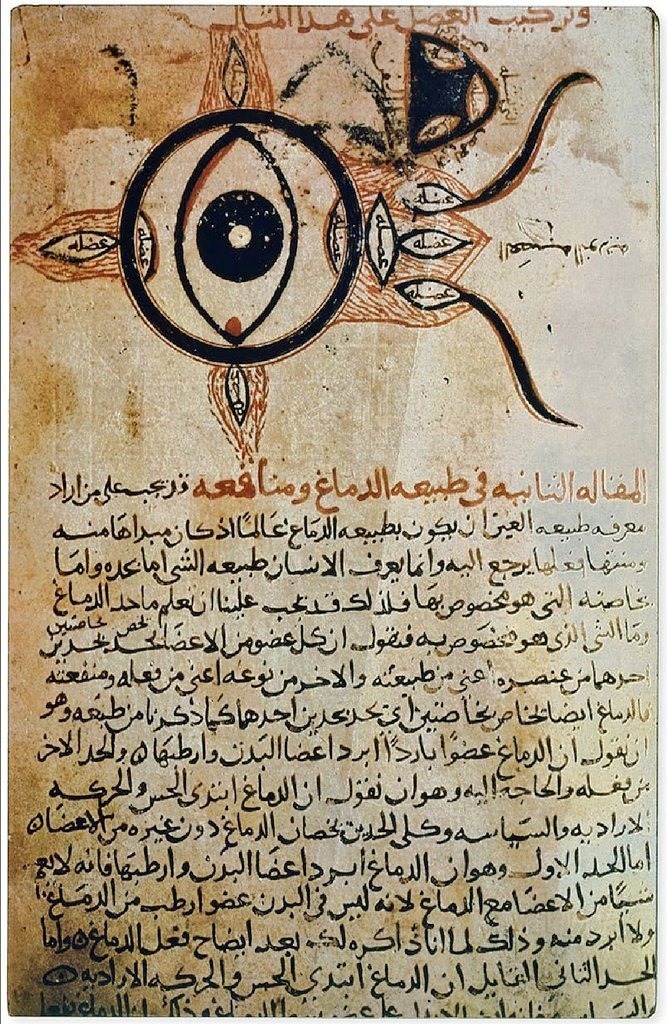 | Hunayn ibn IshaqFor his contributions to the transmission of knowledge across languages and civilisations, carrying the learning of the Greeks into Syriac and Arabic with a care that preserved it for generations to come. | 809–873 |
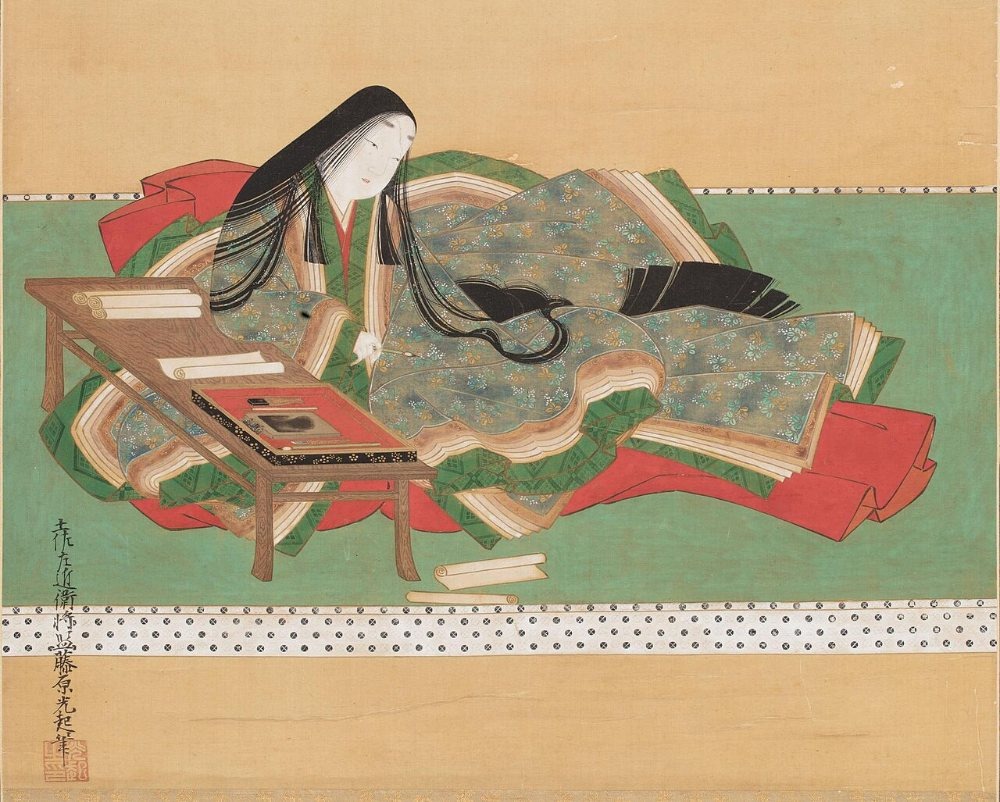 | Murasaki ShikibuFor The Tale of Genji, an imagined world that has outlived by a thousand years the court that made it, and for one of the earliest defences of fiction as a bearer of truth. | c. 973–c. 1014 |
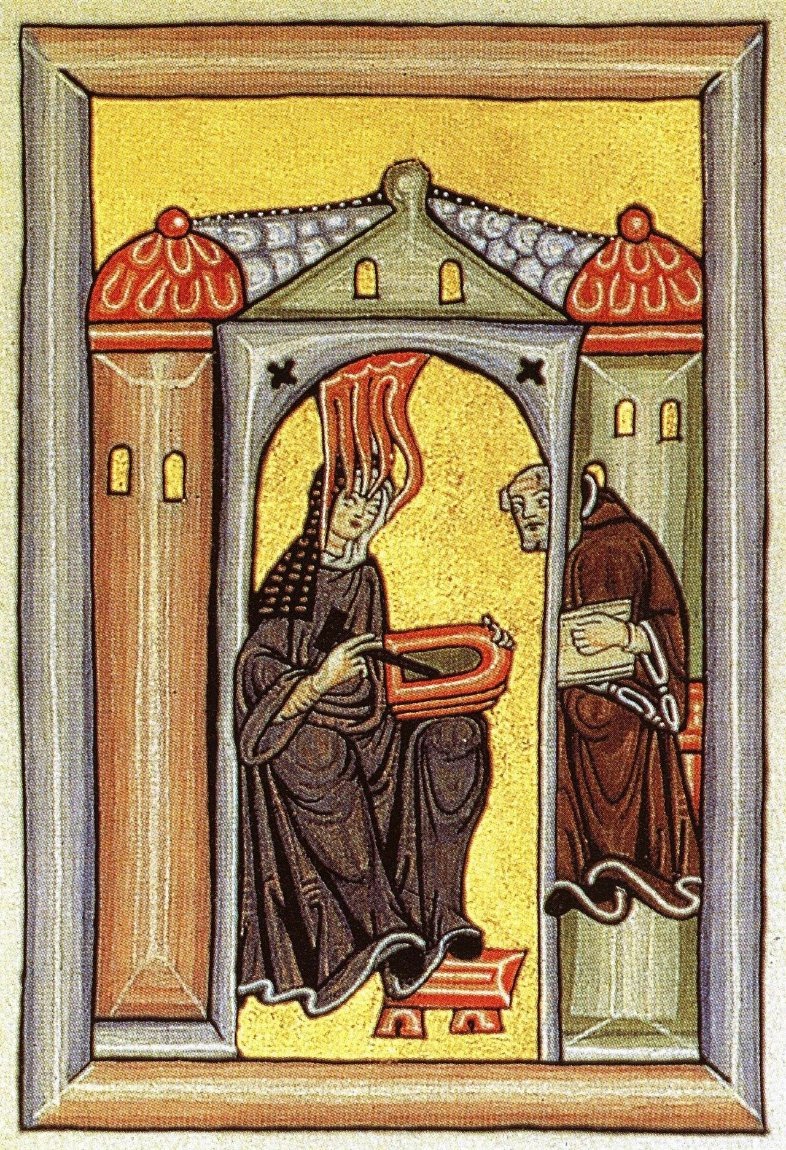 | Hildegard of BingenFor her contributions to music, religious symbolism, visionary writing and sacred artistic creation, bringing together many creative disciplines in the expression of spiritual meaning. | 1098–1179 |
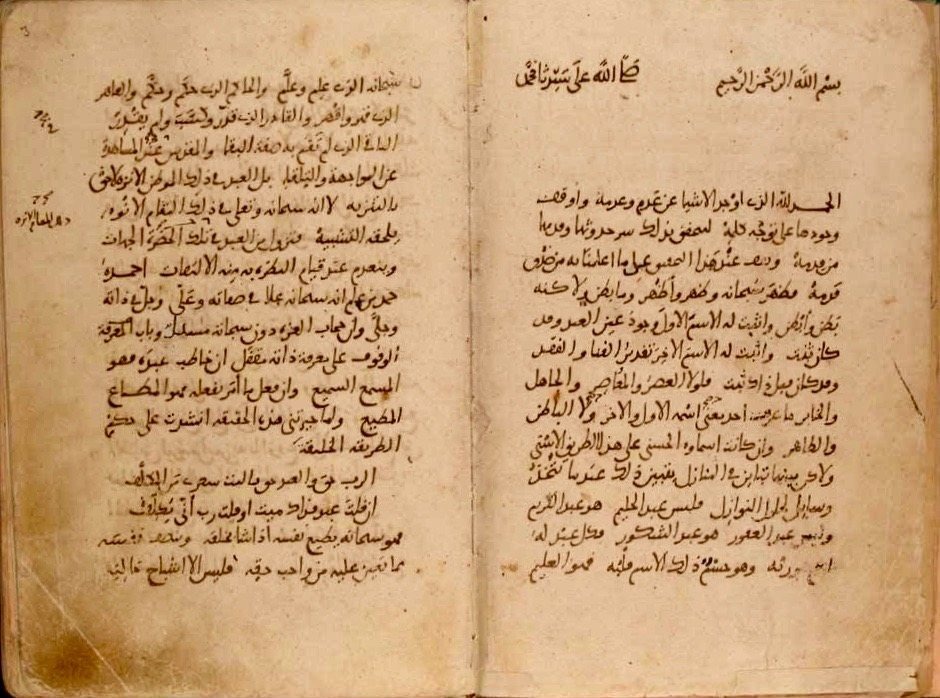 | Ibn ArabiFor his contributions to mystical philosophy and poetry, and his profound exploration of imagination, existence and the relationship between humanity and the divine. | 1165–1240 |
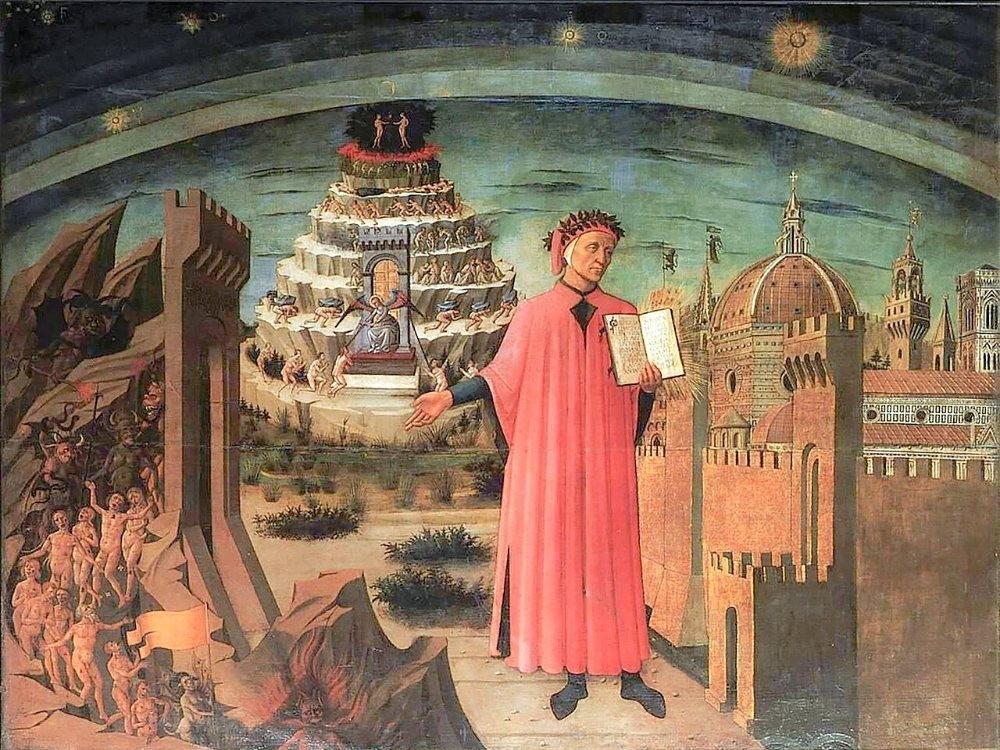 | Dante AlighieriFor his creation of The Divine Comedy, uniting poetry, philosophy and religious imagination in a literary vision that has shaped humanity’s understanding of the sacred. | c. 1265–1321 |
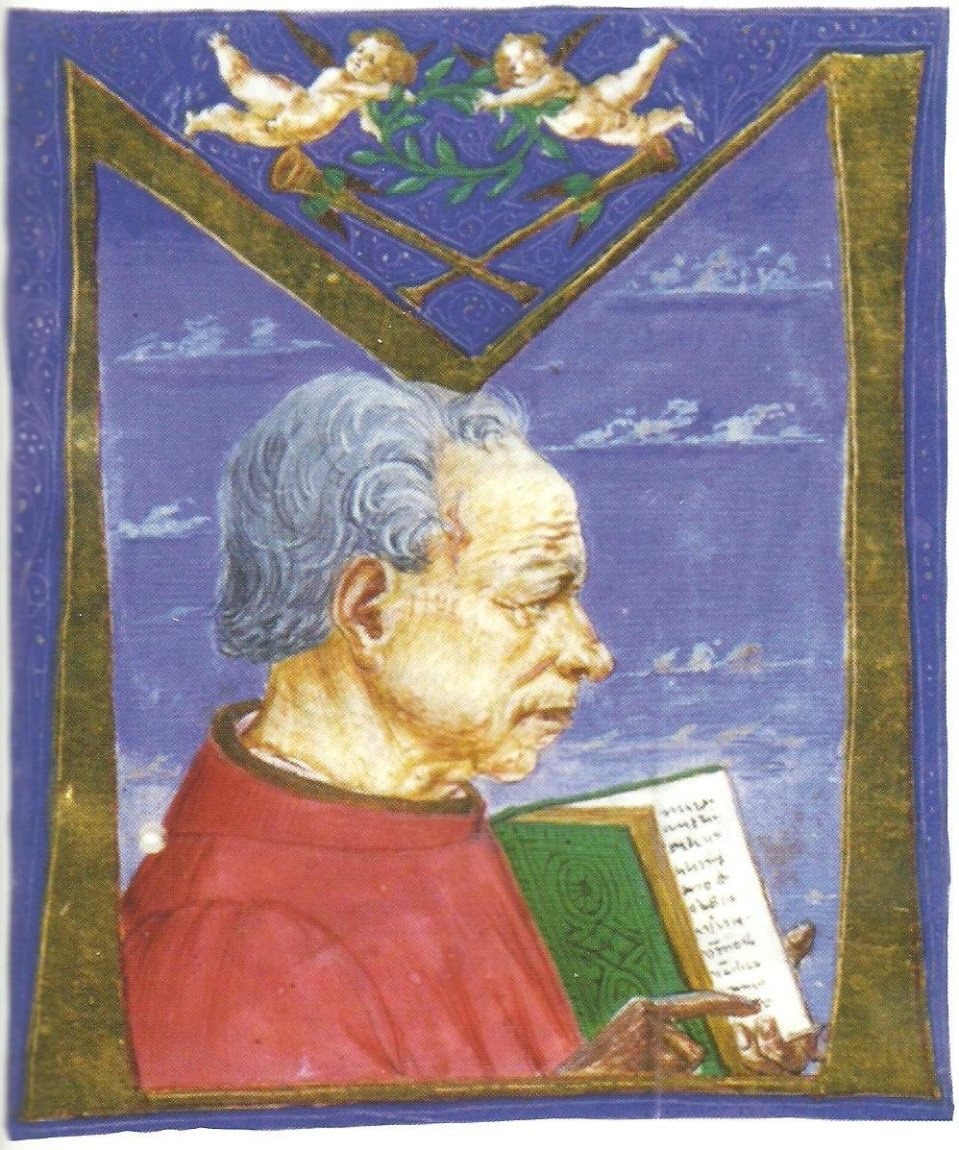 | Poggio BraccioliniFor his contributions to the recovery of the ancient inheritance, seeking out forgotten works in the libraries of Europe and returning to the world writings that had lain unread for centuries. | 1380–1459 |
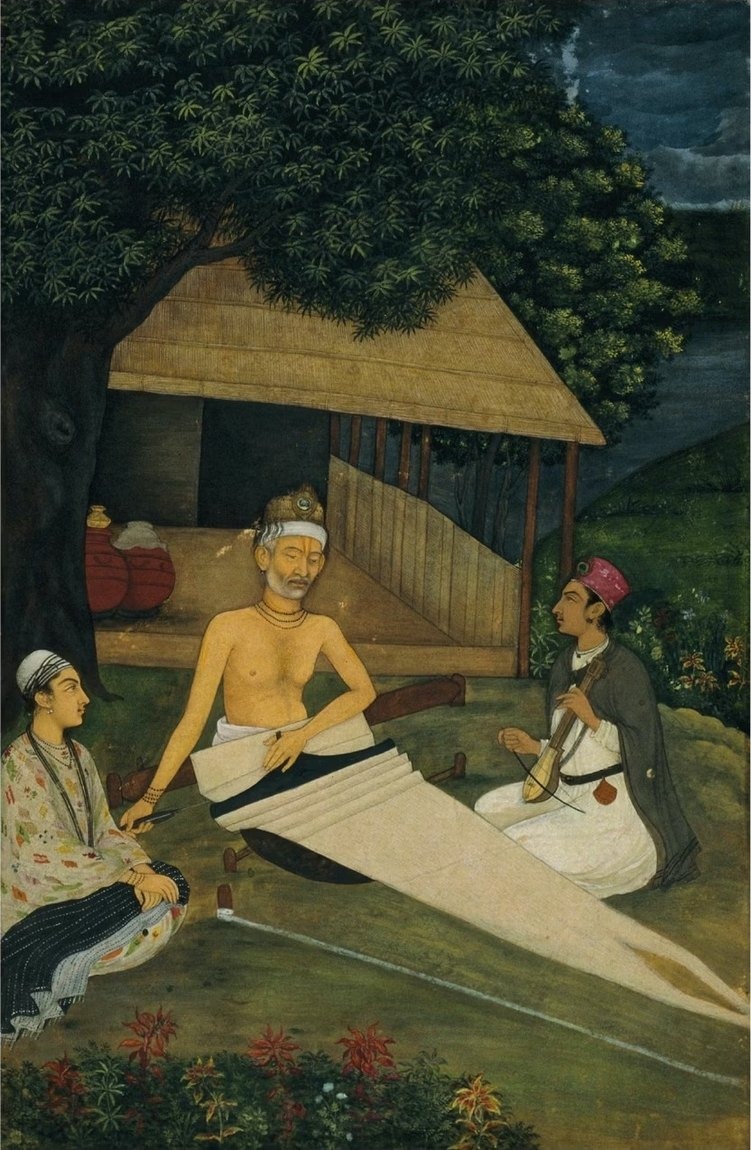 | KabirFor his songs, sung at the loom in the common speech of his people and cherished by Hindus, Muslims and Sikhs alike, in which the divine is heard through many names as one. | 15th century |
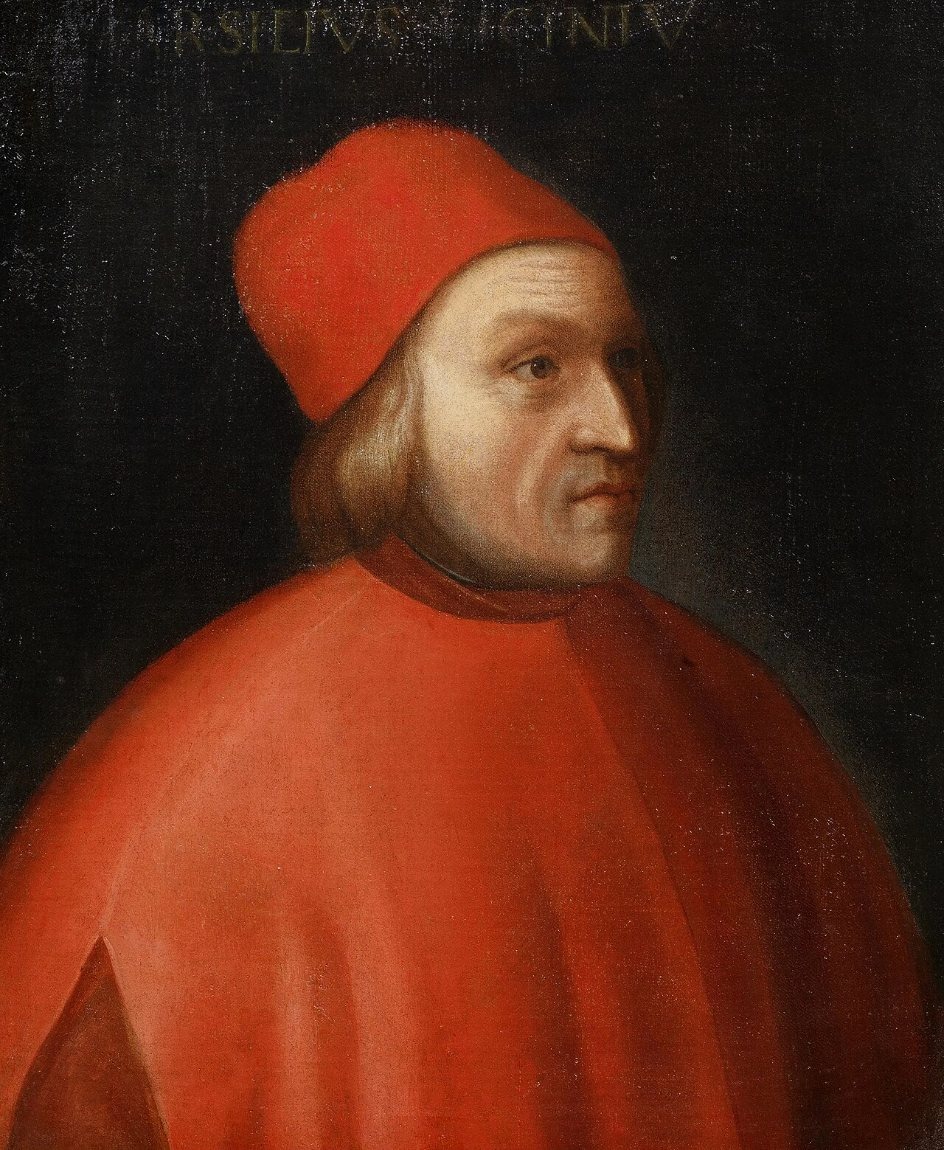 | Marsilio FicinoFor his contributions to Hermetic philosophy and the transmission of ancient knowledge, preserving and reviving the philosophical inheritance upon which the Order draws. | 1433–1499 |
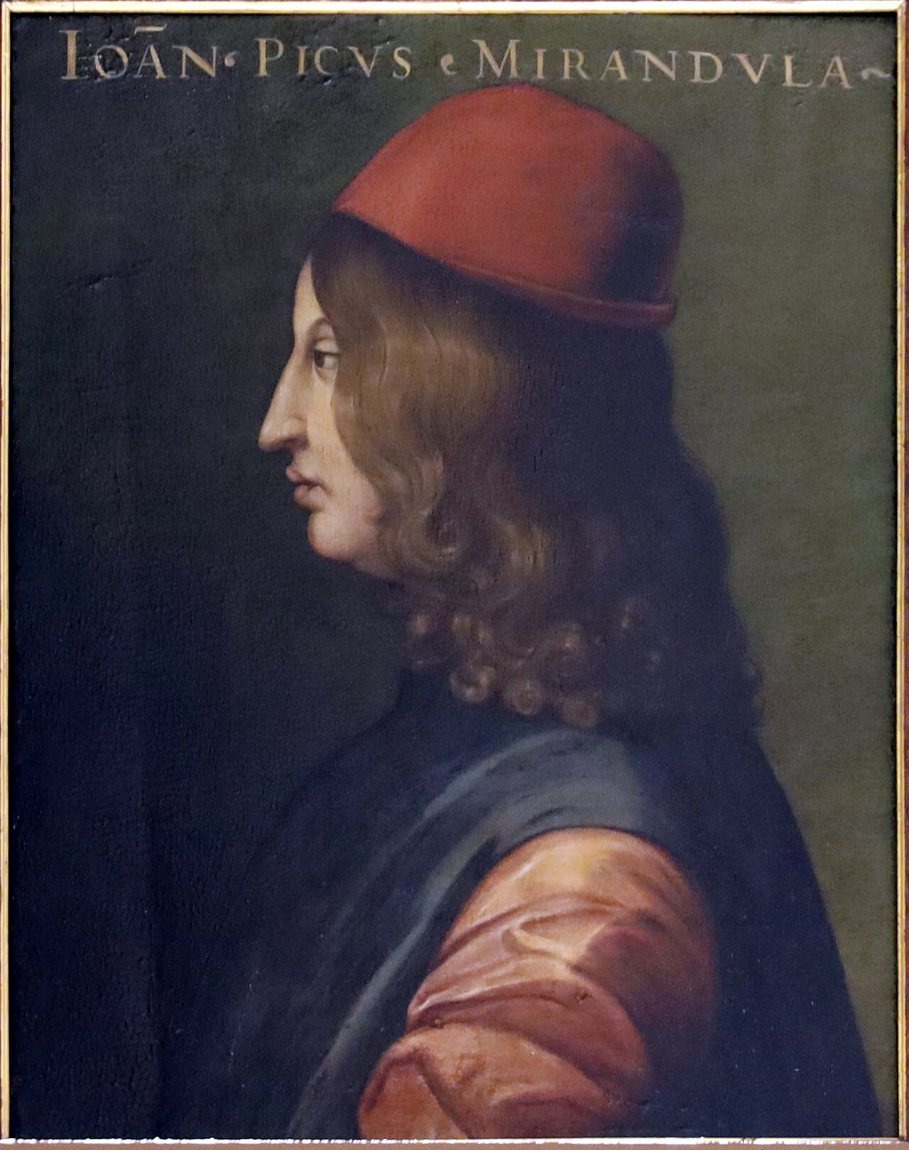 | Giovanni Pico della MirandolaFor his Oration, the fullest statement of the Renaissance that humanity is given no fixed place and is free to shape itself, and for seeking one truth in the wisdom of many traditions. | 1463–1494 |
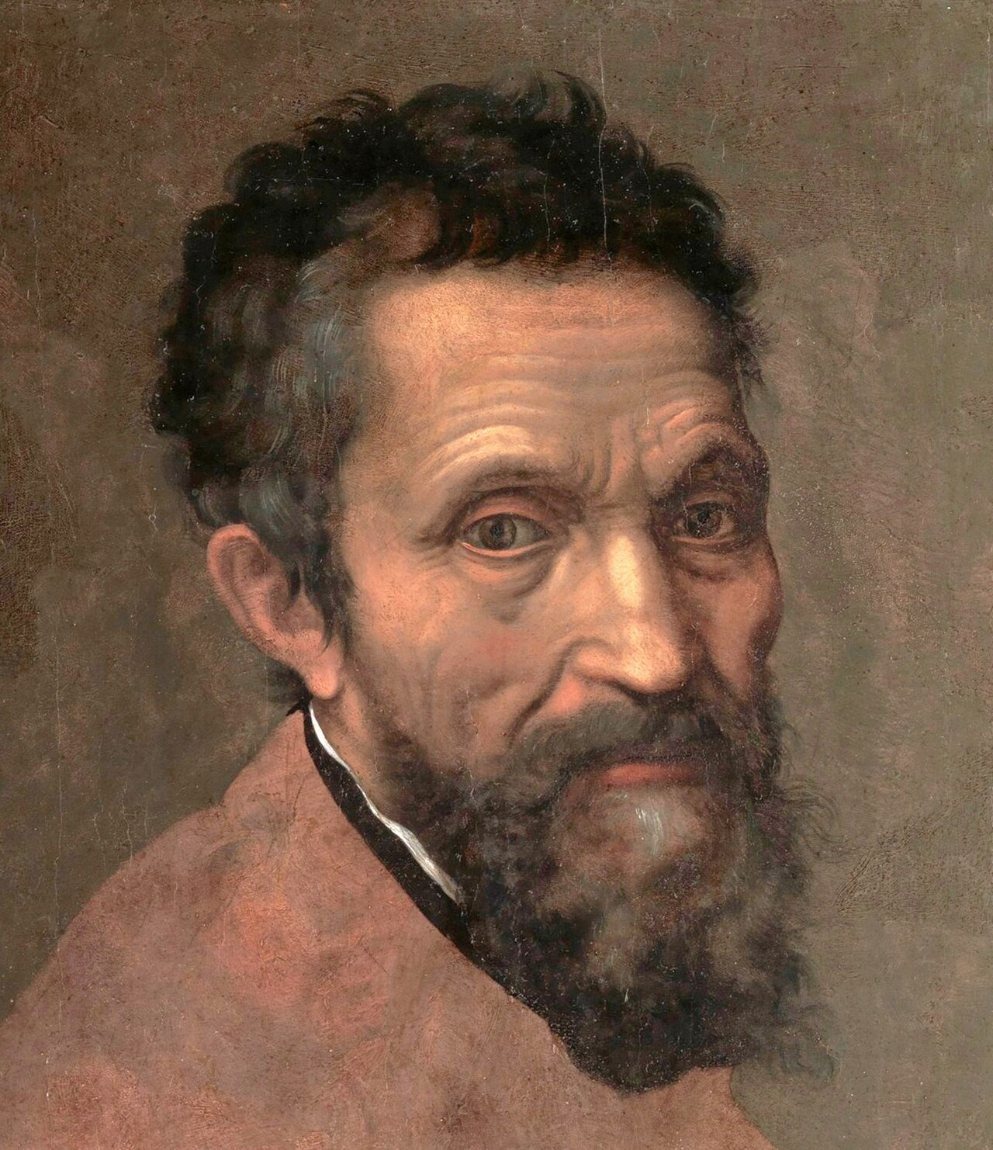 | Michelangelo BuonarrotiFor his extraordinary contributions to artistic creation and religious symbolism, giving form to humanity’s understanding of creation, beauty and the divine. | 1475–1564 |
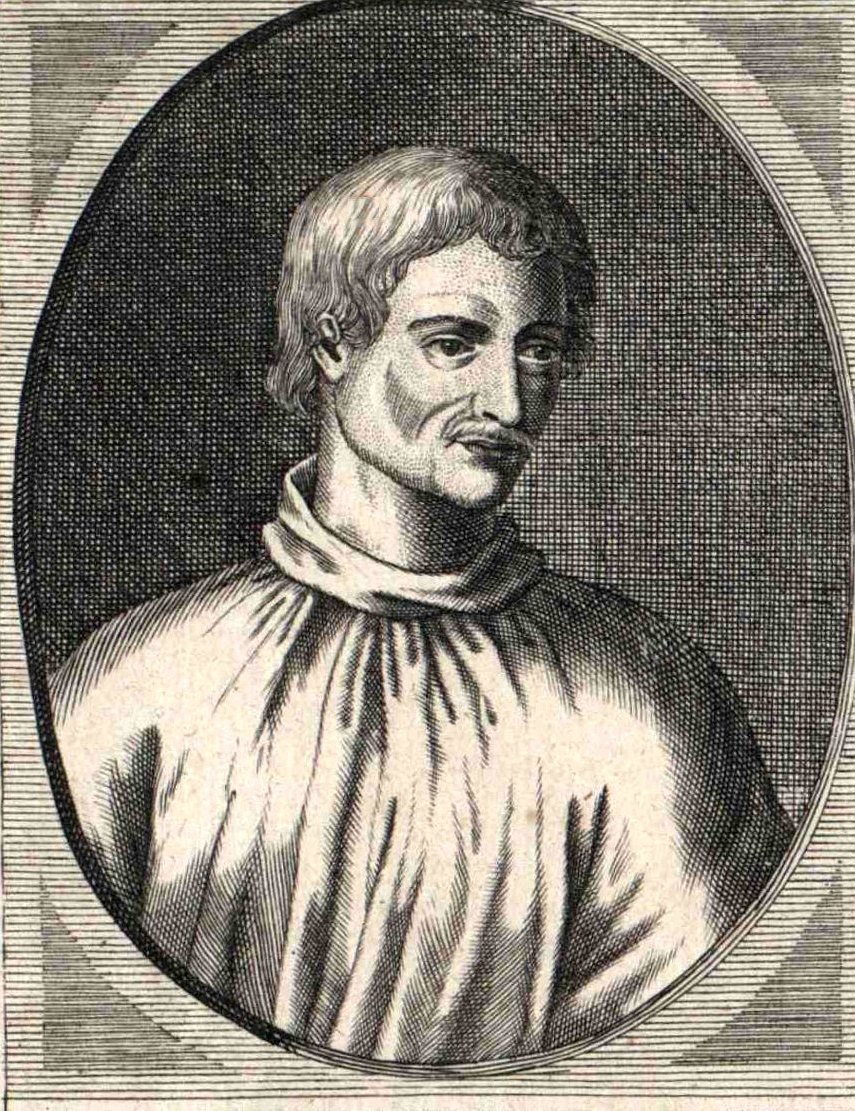 | Giordano BrunoFor his philosophical inquiries into the nature of the cosmos, infinity and the divine, and his contributions to the Renaissance Hermetic tradition. | 1548–1600 |
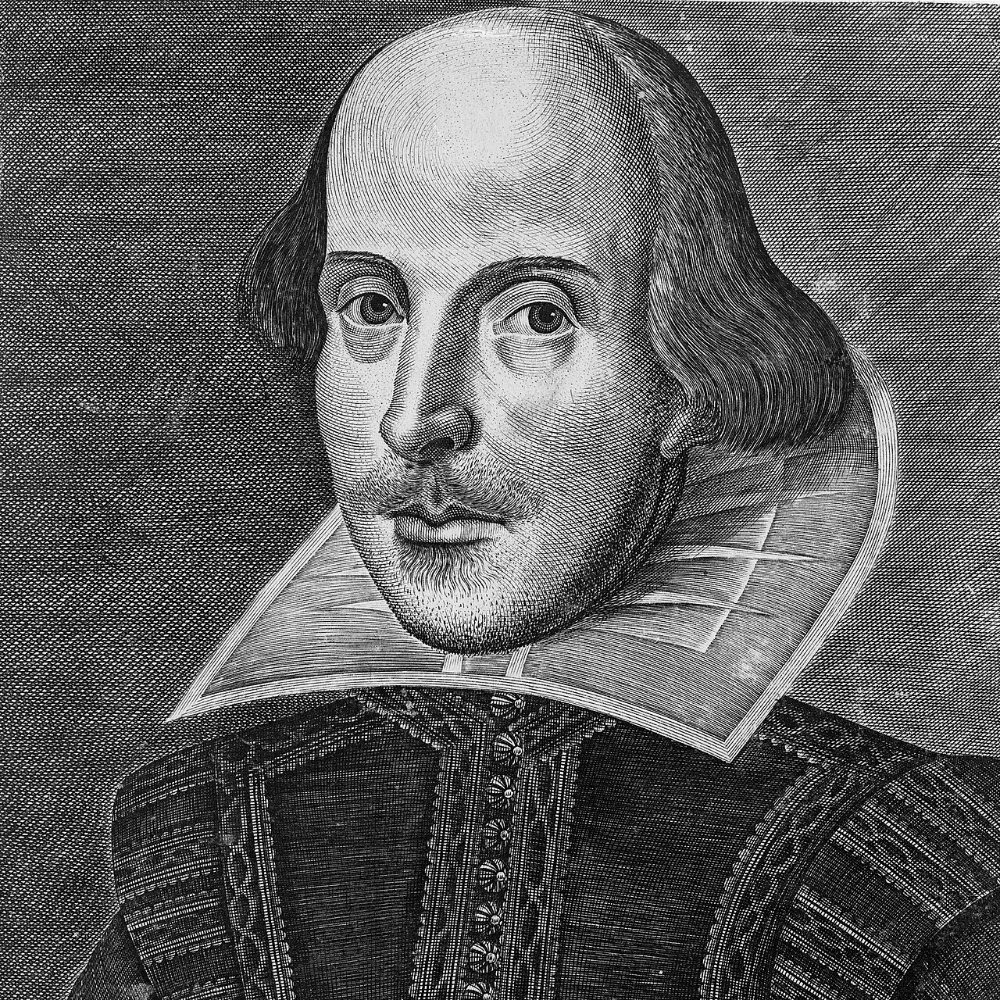 | William ShakespeareFor his extraordinary contributions to dramatic and literary creation, giving lasting form to human character, imagination and the meanings found within our shared experience. | 1564–1616 |
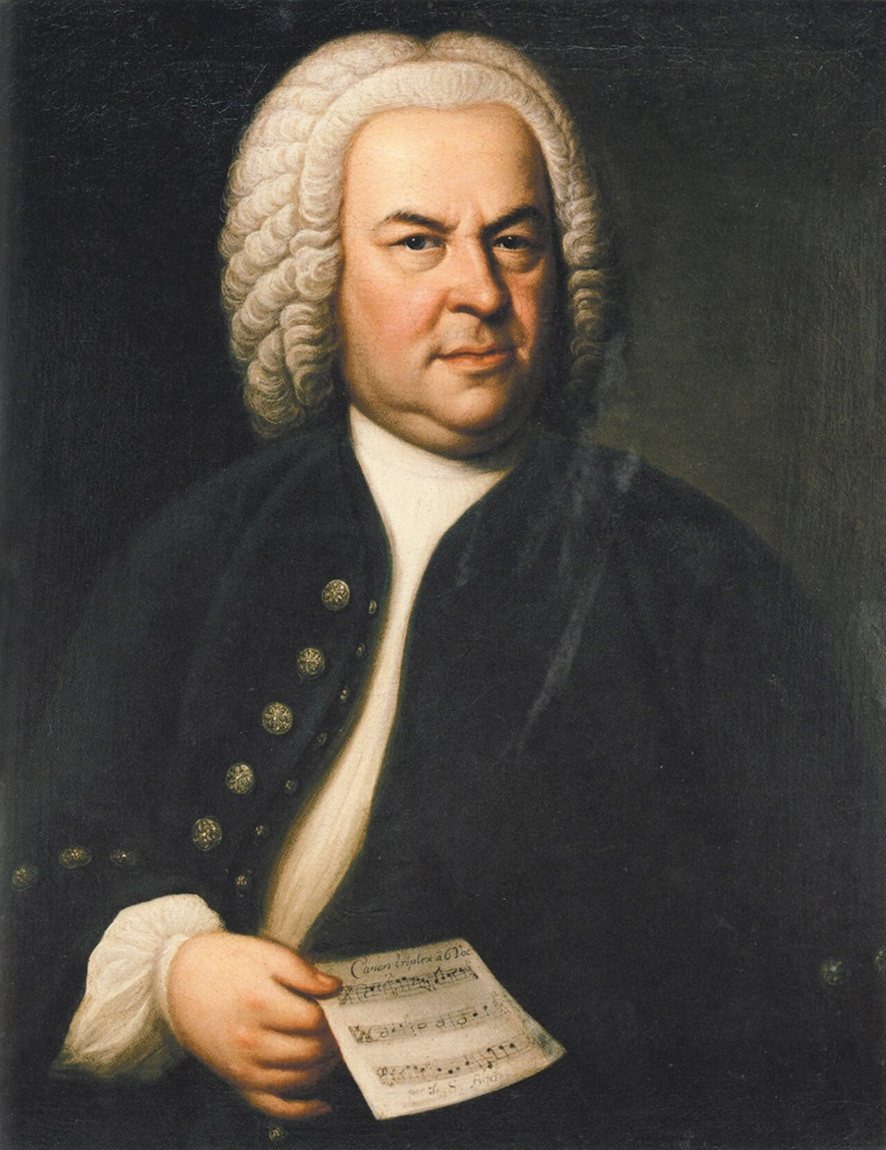 | Johann Sebastian BachFor his contributions to musical composition and sacred music, through which artistic form, disciplined craftsmanship and spiritual devotion found enduring expression. | 1685–1750 |
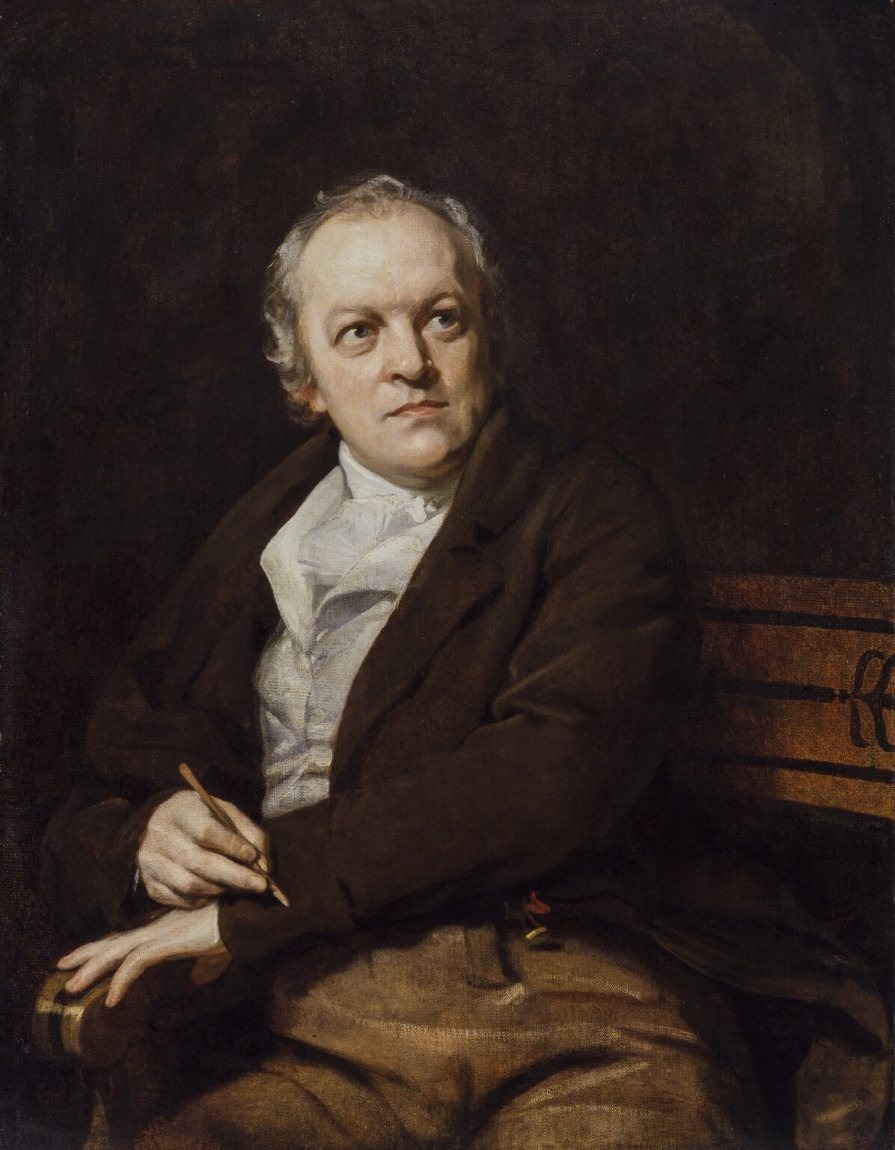 | William BlakeFor his creation of an original mythology through poetry and painting, uniting artistic imagination with spiritual and philosophical inquiry; and for declaring, from his first etched principles to his last engraved testament, that every faith springs from the one Poetic Genius and that the imagination is itself divine. | 1757–1827 |
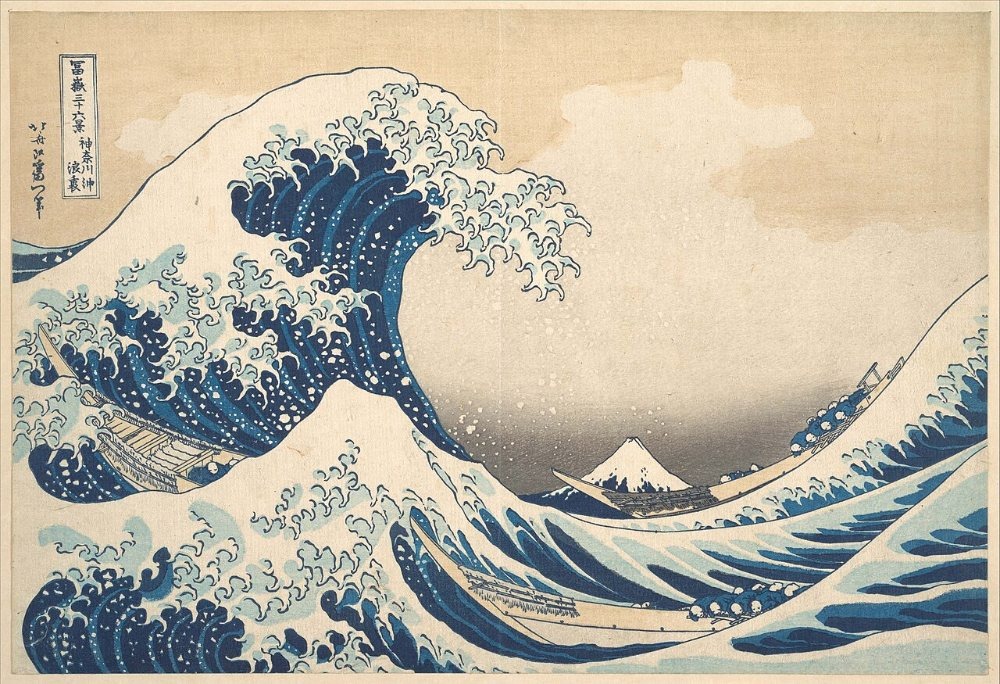 | Katsushika HokusaiFor a life given wholly to the art of drawing, and for the hope, set down in his seventy-fourth year, that every dot and every line he made would one day be alive. | 1760–1849 |
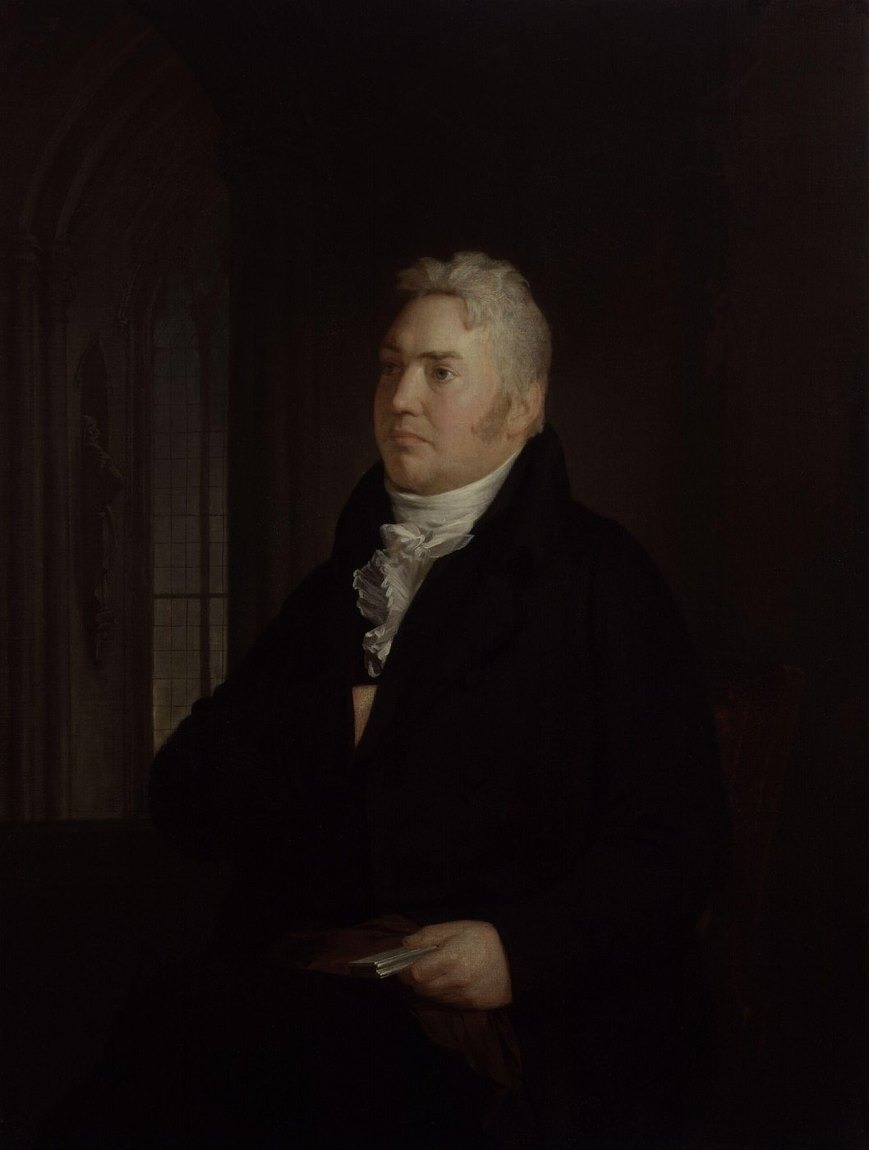 | Samuel Taylor ColeridgeFor his contributions to poetry and to the understanding of the imagination, which he described as a living power and a repetition in the finite mind of the eternal act of creation. | 1772–1834 |
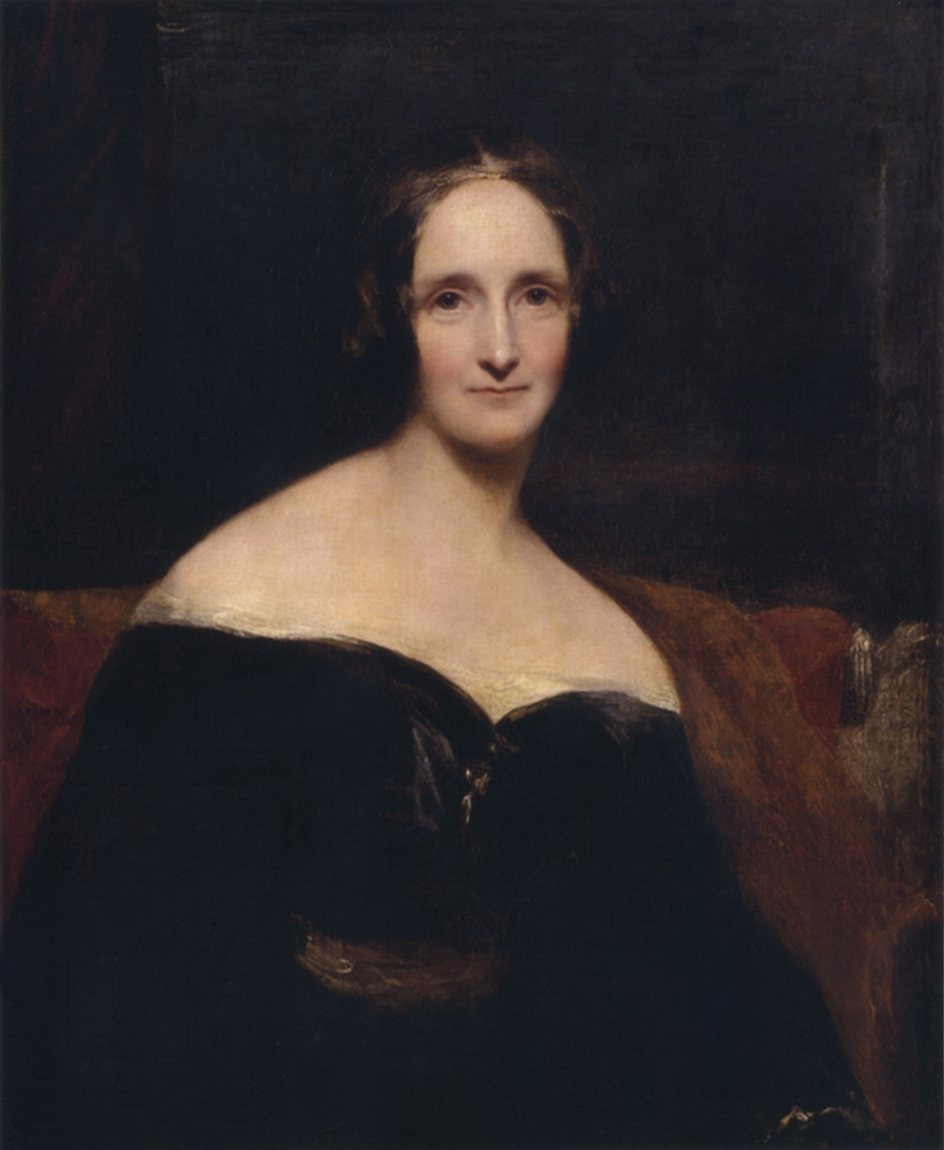 | Mary ShelleyFor her creation of Frankenstein, a work of enduring imaginative power that confronts the responsibilities of creators and the moral consequences of bringing new life into being. | 1797–1851 |
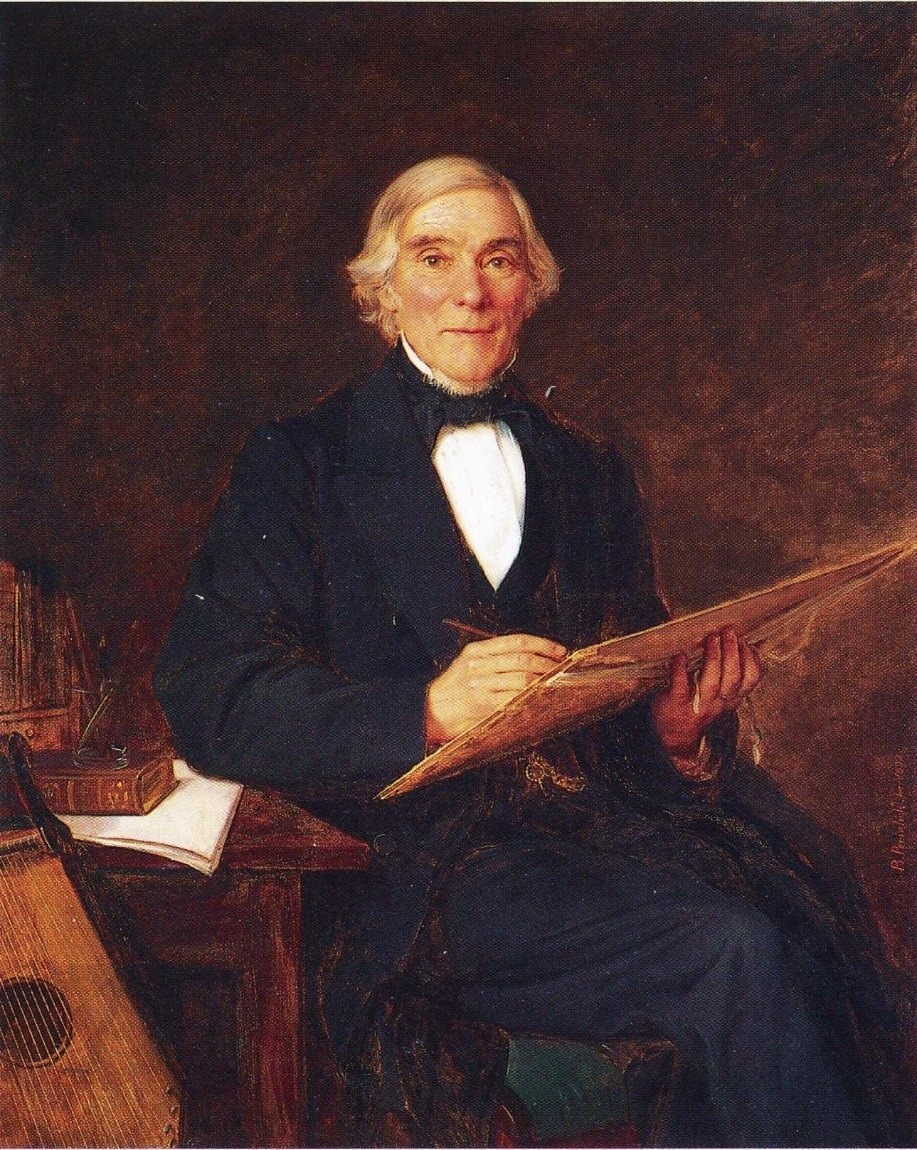 | Elias LönnrotFor his contributions to the preservation of oral tradition, gathering the songs of Karelian singers into the Kalevala and giving lasting form to the mythology of a people. | 1802–1884 |
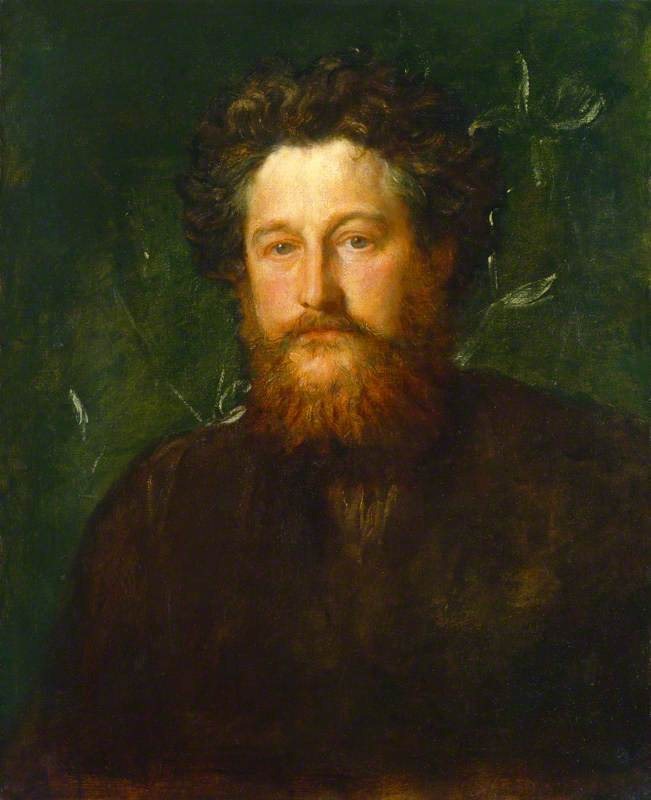 | William MorrisFor his contributions to craftsmanship, artistic creation and cultural preservation, and his dedication to cultivating beauty and restoring dignity to the creative work of human hands. | 1834–1896 |
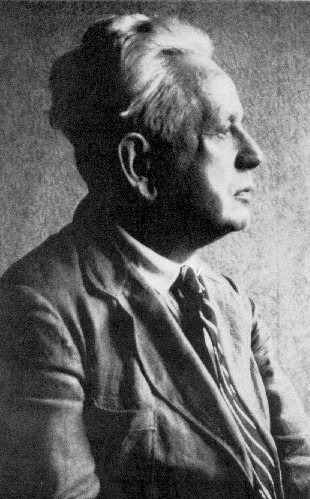 | Ernst CassirerFor his contributions to the philosophy of symbolic forms, illuminating how language, myth, art and knowledge shape the meaningful worlds through which humanity understands existence. | 1874–1945 |
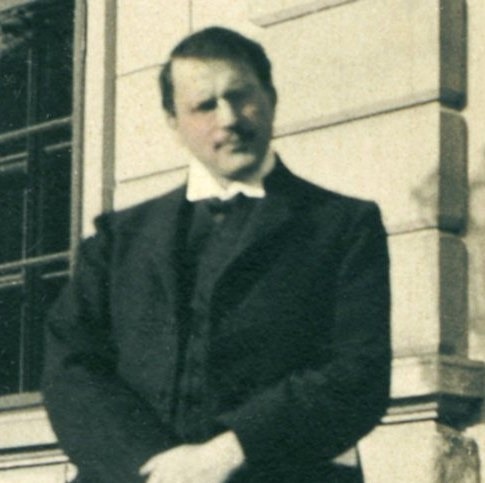 | Carl Gustav JungFor his contributions to the understanding of mythology, symbolism and the human psyche, illuminating the relationship between the mind and the creation of meaning. | 1875–1961 |
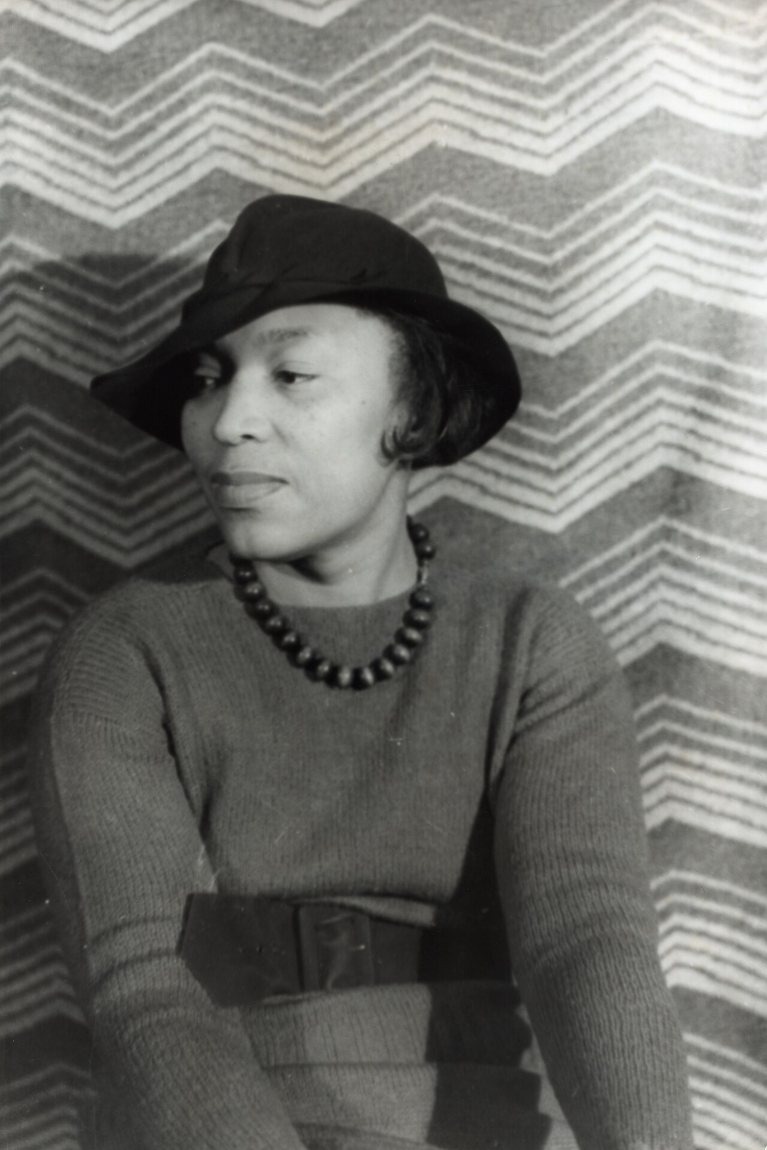 | Zora Neale HurstonFor her contributions to literature and the documentation of folklore, preserving the voices, stories and cultural traditions through which communities sustain meaning across generations. | 1891–1960 |
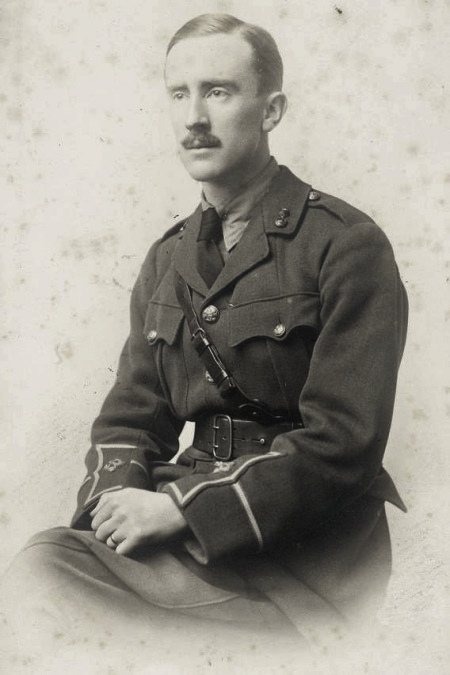 | J. R. R. TolkienFor his contributions to mythopoeia and sub-creation, demonstrating the capacity of human imagination to bring forth entire worlds of enduring meaning and significance. | 1892–1973 |
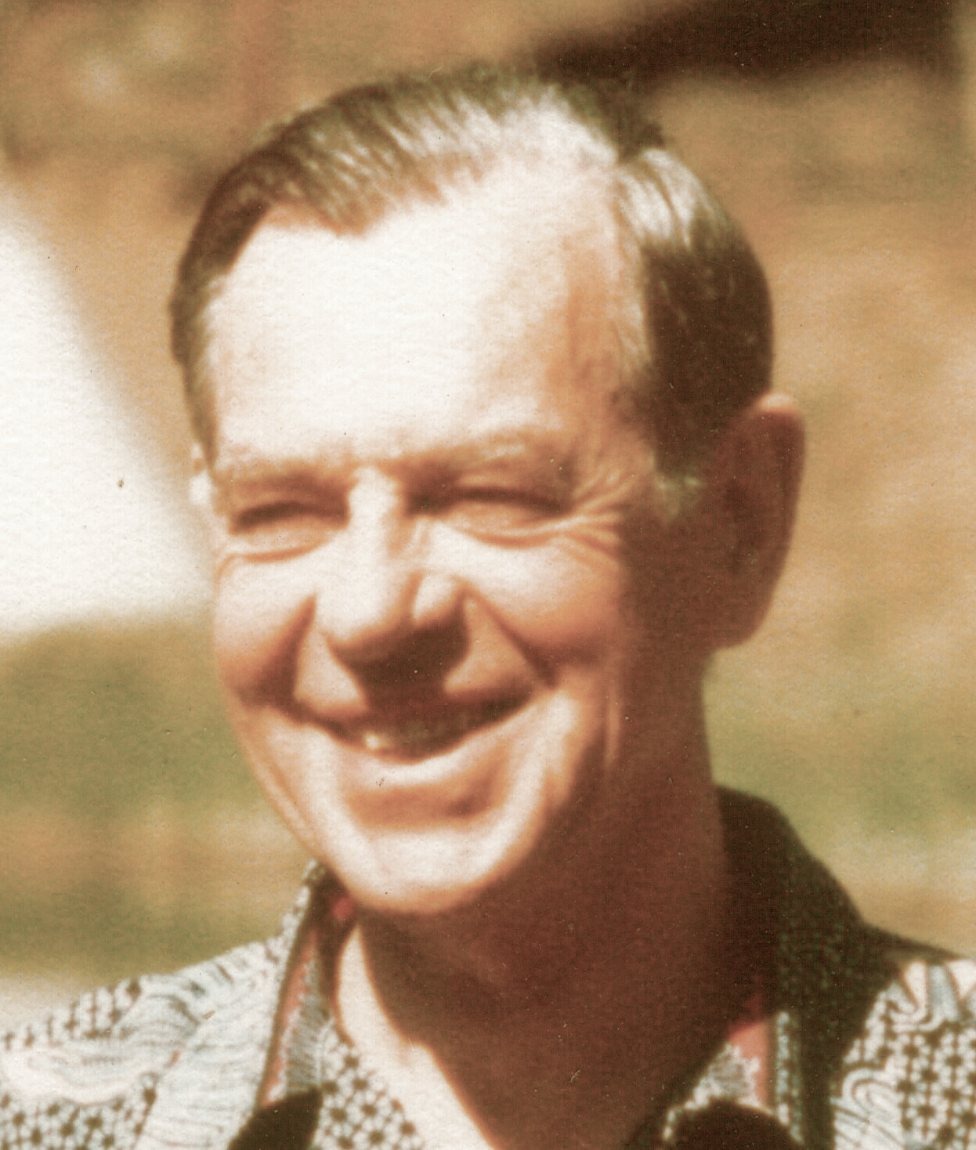 | Joseph CampbellFor his contributions to the comparative study of mythology and his exploration of how stories and symbols illuminate human experience and help individuals find meaning in their lives. | 1904–1987 |
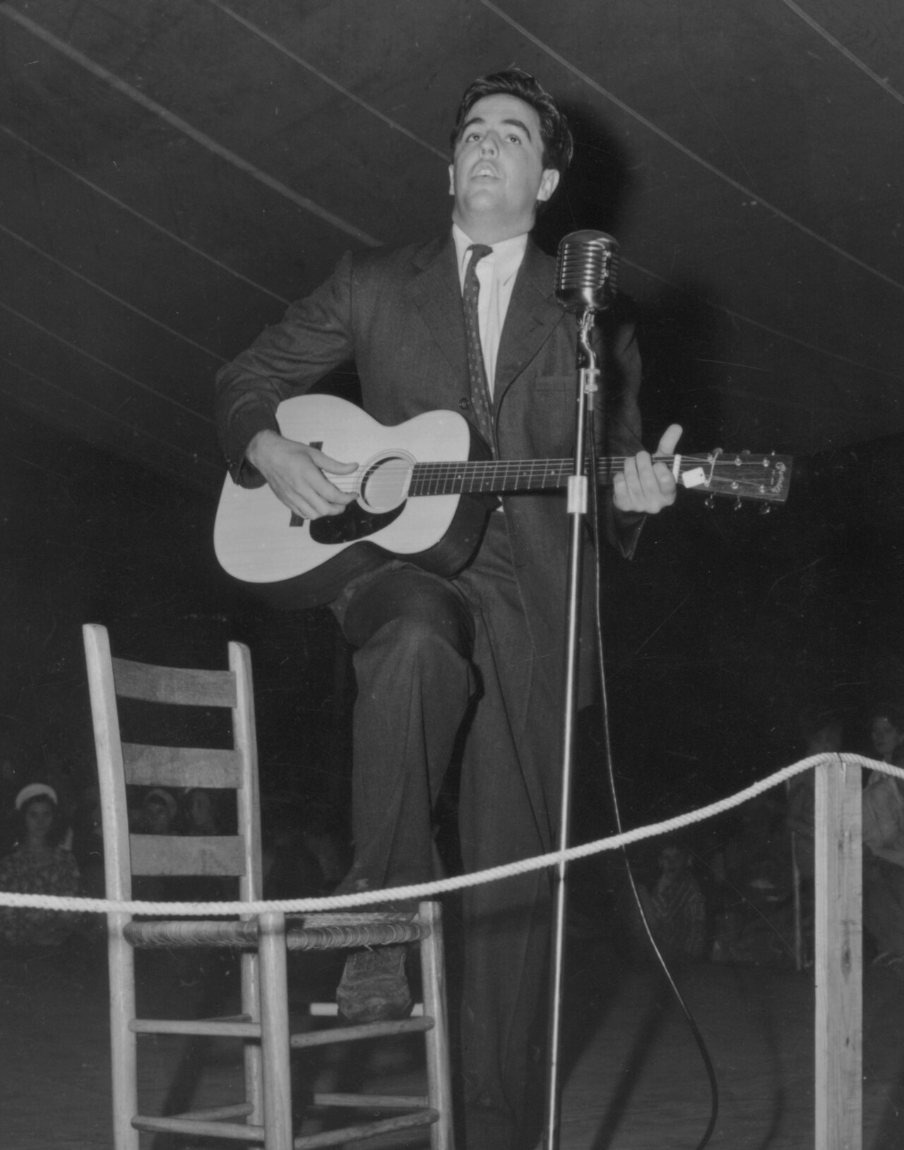 | Alan LomaxFor his dedication to recording and preserving traditional music and oral culture, safeguarding creative expressions that might otherwise have been lost to future generations. | 1915–2002 |