
The plates
Illustrations in the archive and their sources
The historical images in the archive are reproduced from public-domain works and openly licensed photographs. Each is listed below with its maker, holding institution where known, licence and source. Each illustrates the subject of the entry in which it appears.
| Plate | Work | Licence |
|---|---|---|
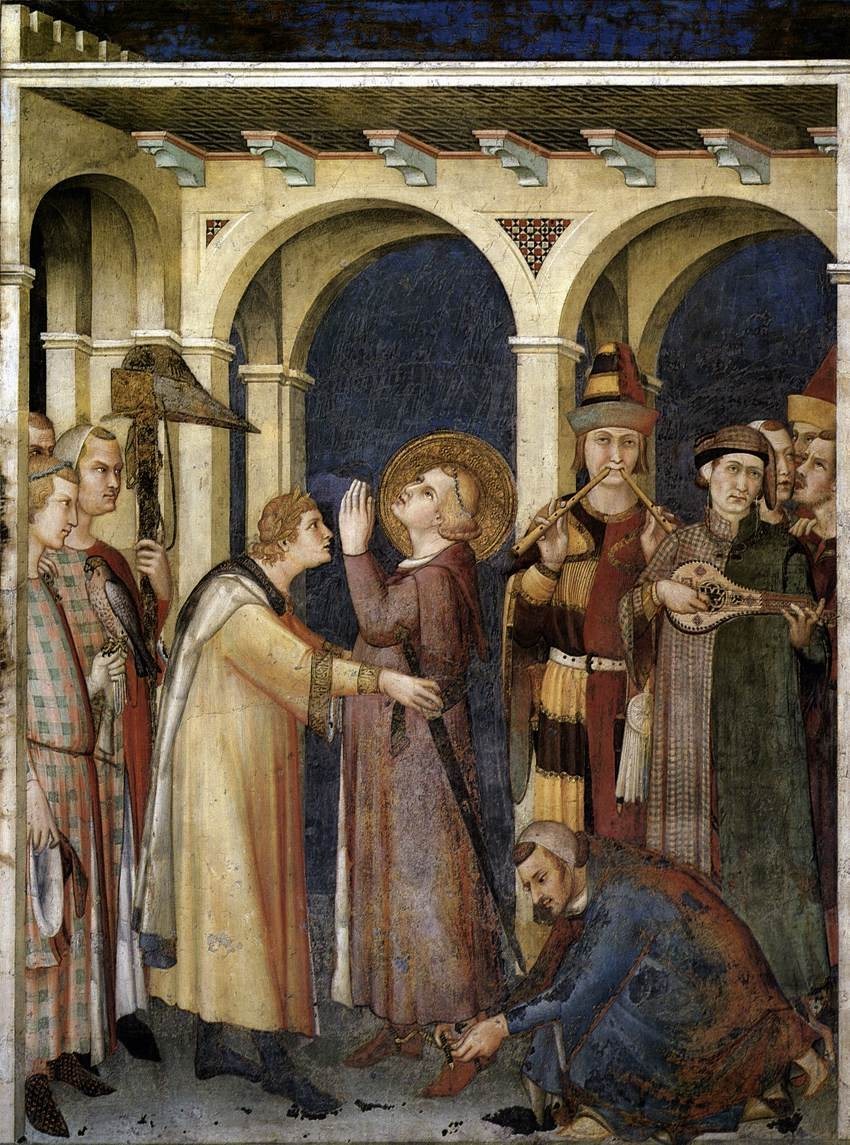 | Saint Martin is knighted, c. 1317Simone Martini. Chapel of Saint Martin, Lower Basilica of San Francesco, Assisi · source | Public domain |
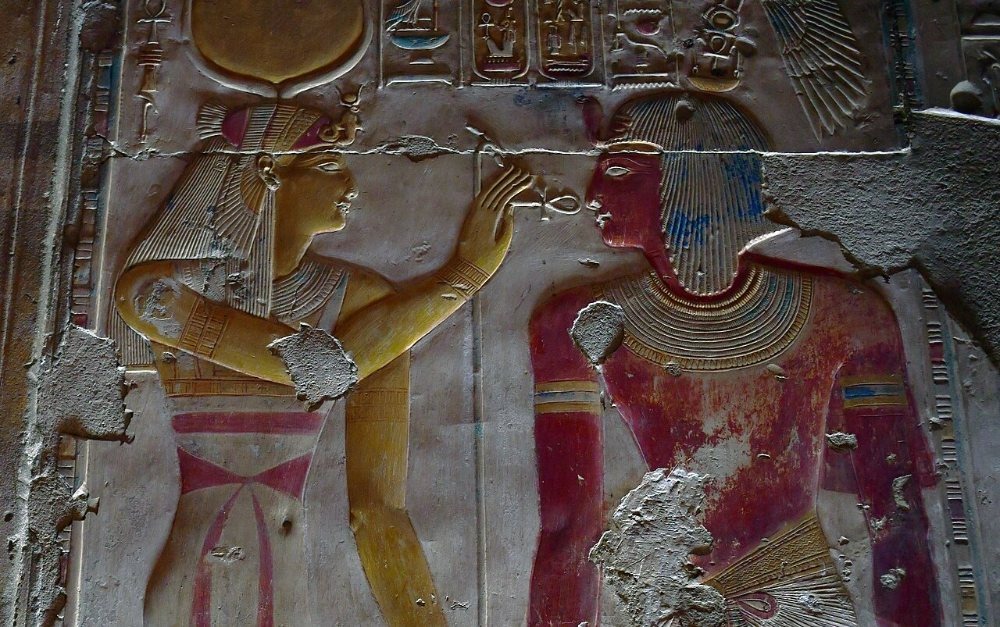 | Isis holding the Ankh to the face of Seti I, temple of Seti I, Abydos, thirteenth century BCPhotograph by Panegyrics of Granovetter · source | CC BY-SA 2.0 |
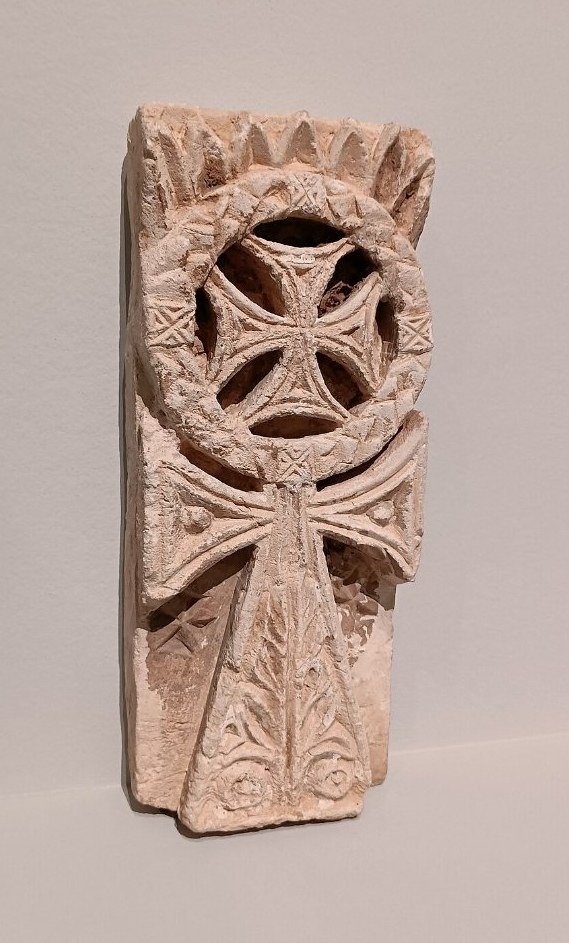 | Ankh with a Christian cross, Egypt, fifth to sixth century ADRoemer- und Pelizaeus-Museum, Hildesheim. Photograph by Brigade Piron · source | CC BY-SA 4.0 |
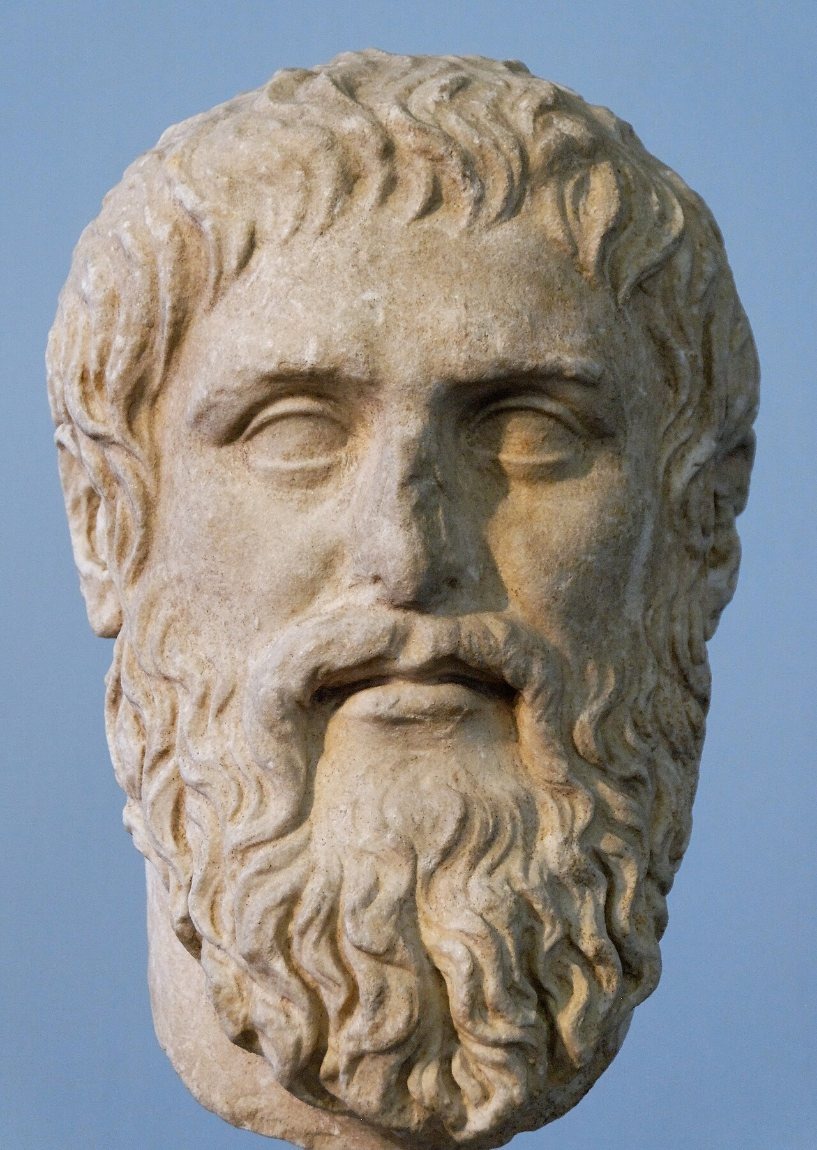 | Portrait of Plato, Roman copy after SilanionCapitoline Museums, Rome (MC 1377). Photograph by Marie-Lan Nguyen · source | Public domain |
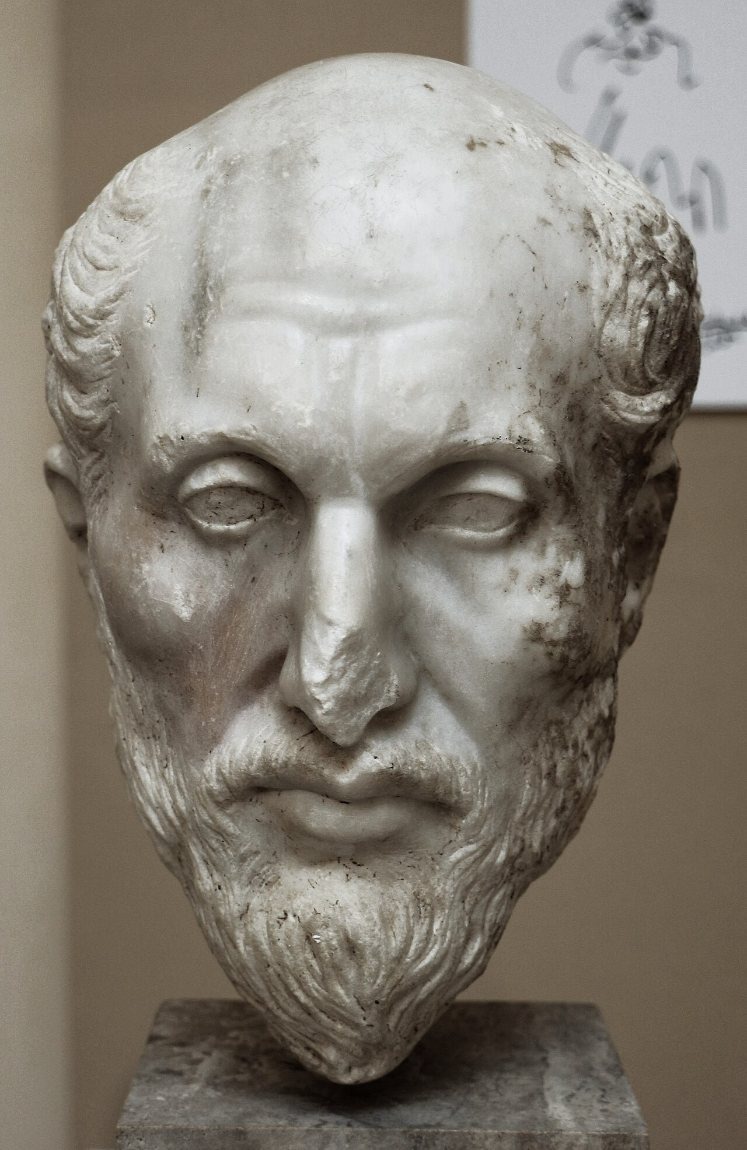 | Marble head from Ostia, often identified as PlotinusMuseo Ostiense, Ostia Antica. Photograph by Sailko · source | CC BY 3.0 |
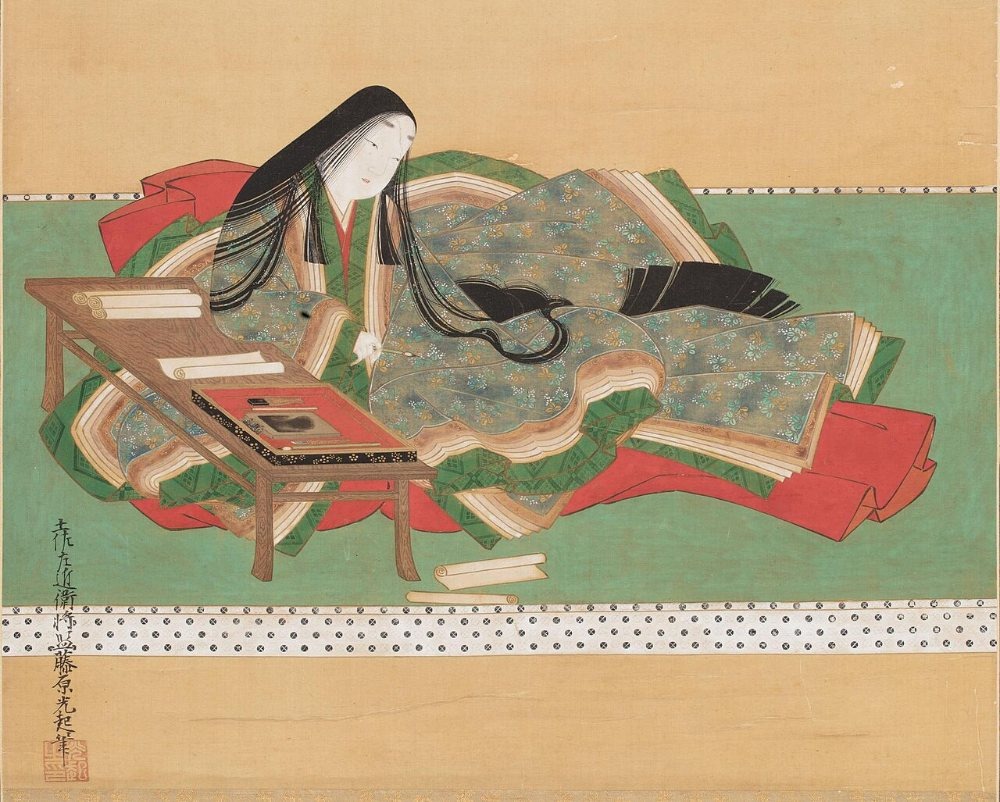 | Portrait of Murasaki Shikibu, late seventeenth centuryTosa Mitsuoki · source | Public domain |
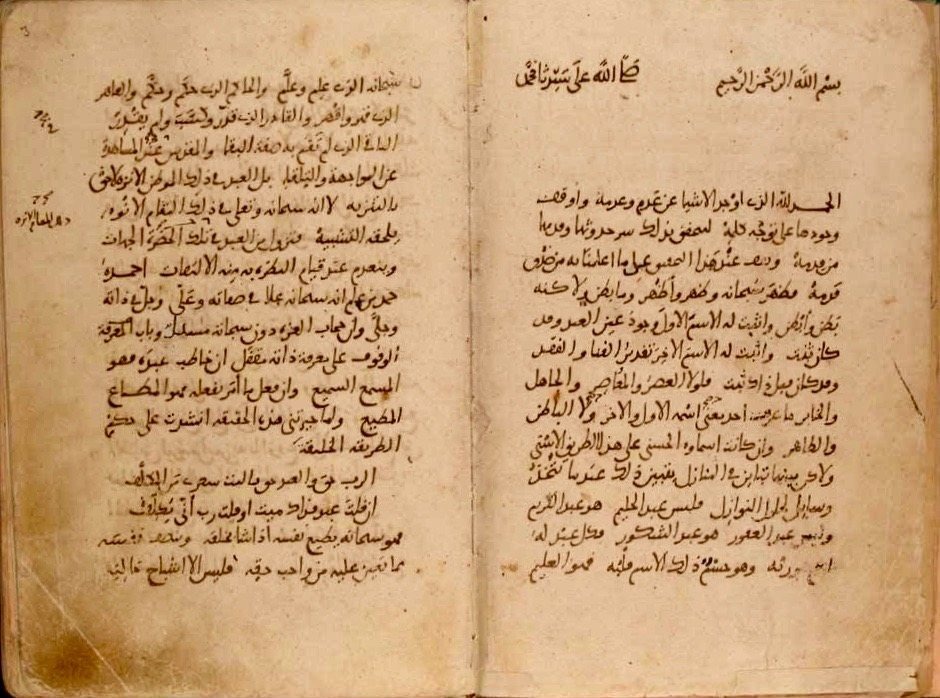 | Opening pages of the Konya manuscript of al-Futuhat al-MakkiyyaAutograph of Ibn Arabi · source | Public domain |
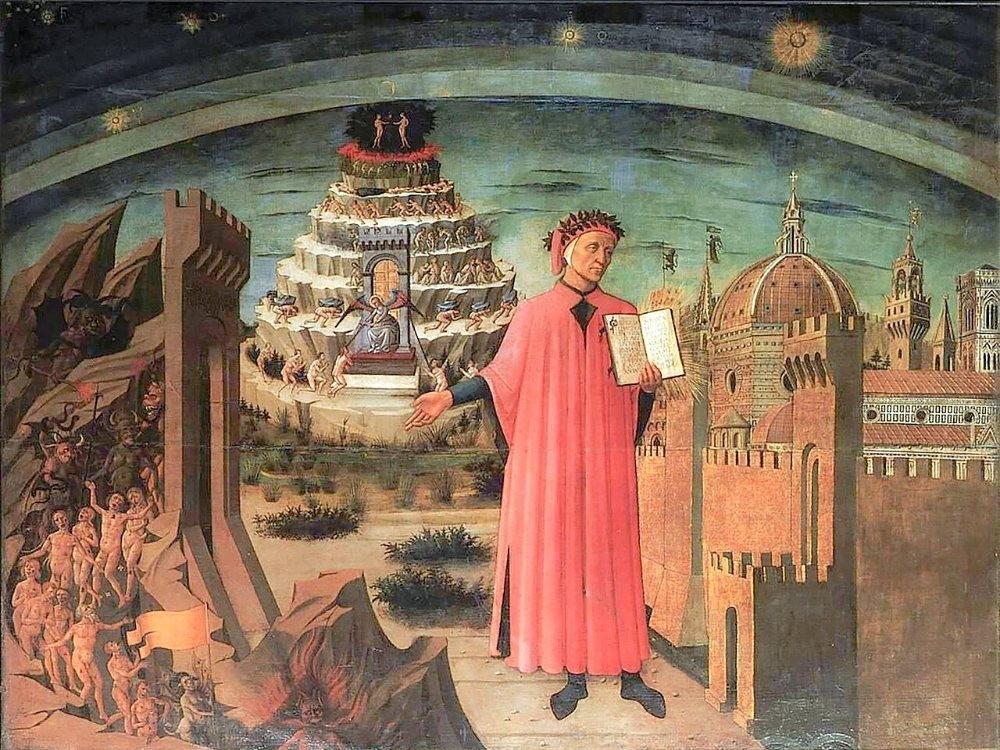 | Dante and the Three Kingdoms, 1465Domenico di Michelino. Florence Cathedral · source | CC0 |
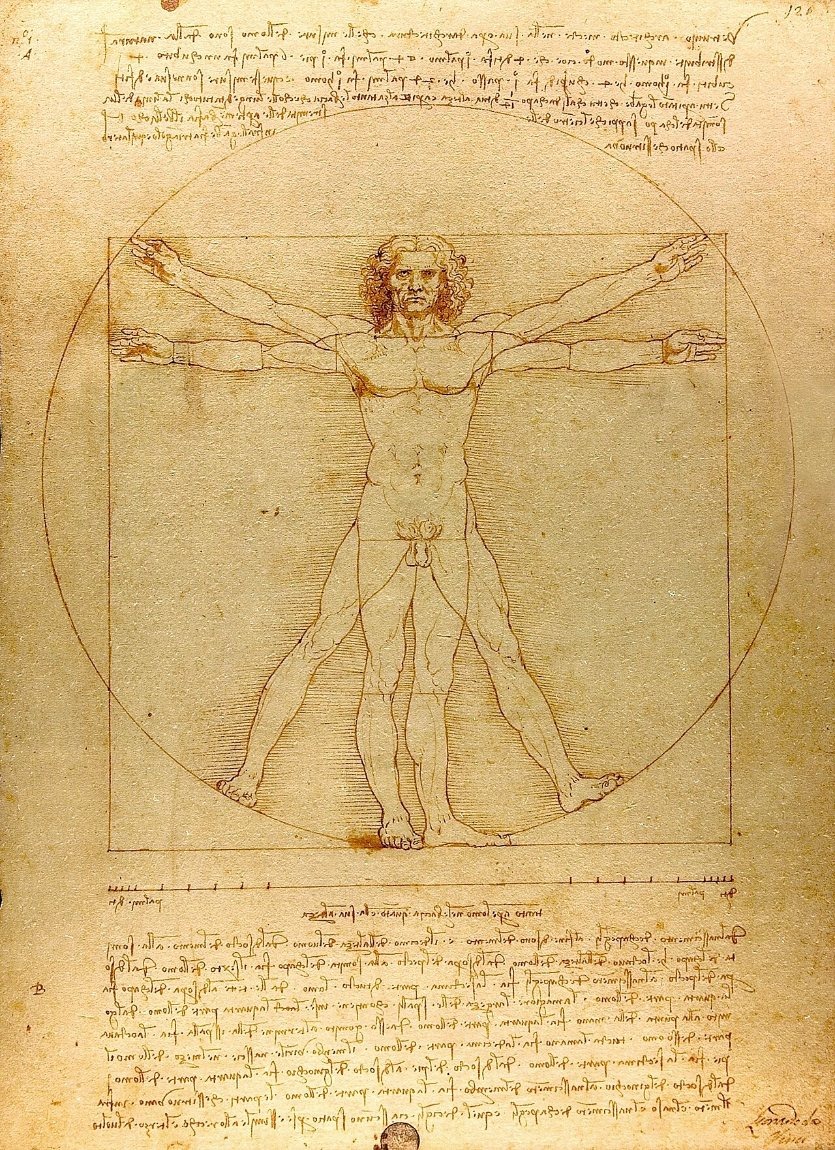 | Vitruvian Man, c. 1490Leonardo da Vinci. Gallerie dell’Accademia, Venice · source | Public domain |
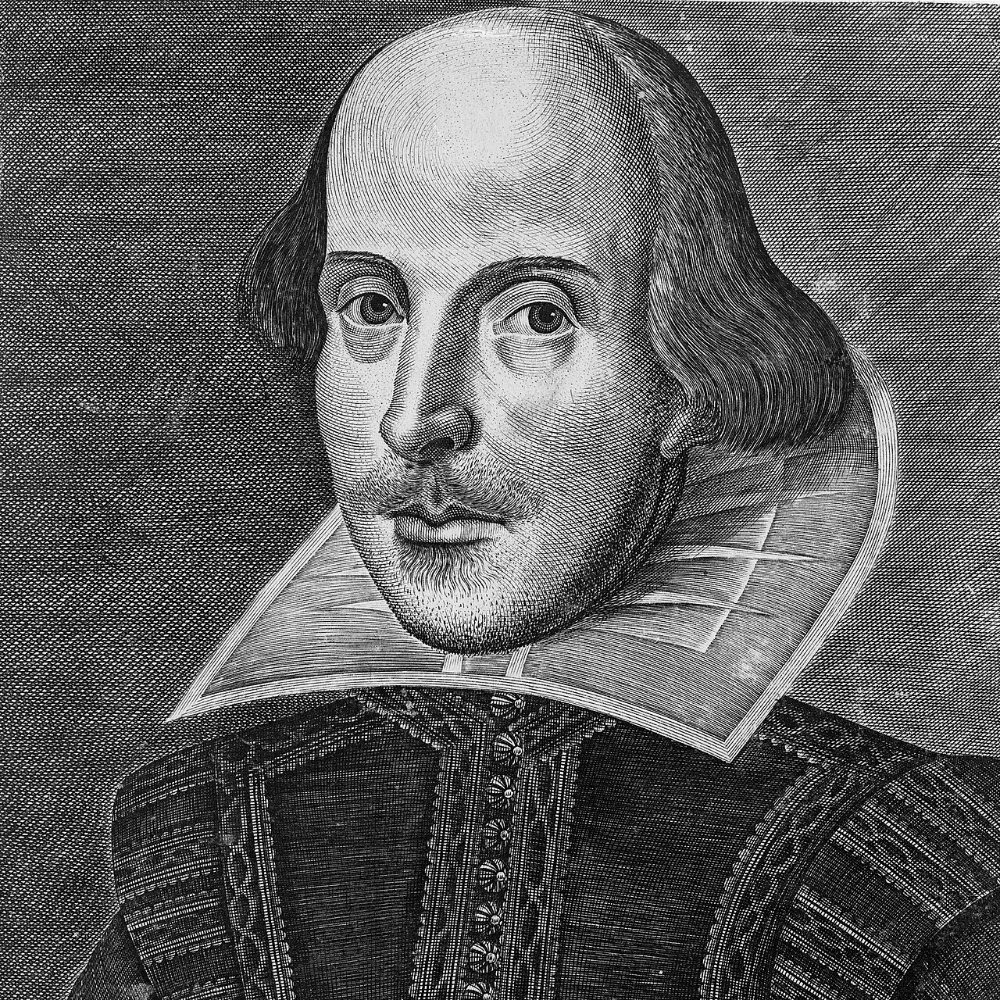 | William Shakespeare, frontispiece of the First Folio, 1623Martin Droeshout · source | Public domain |
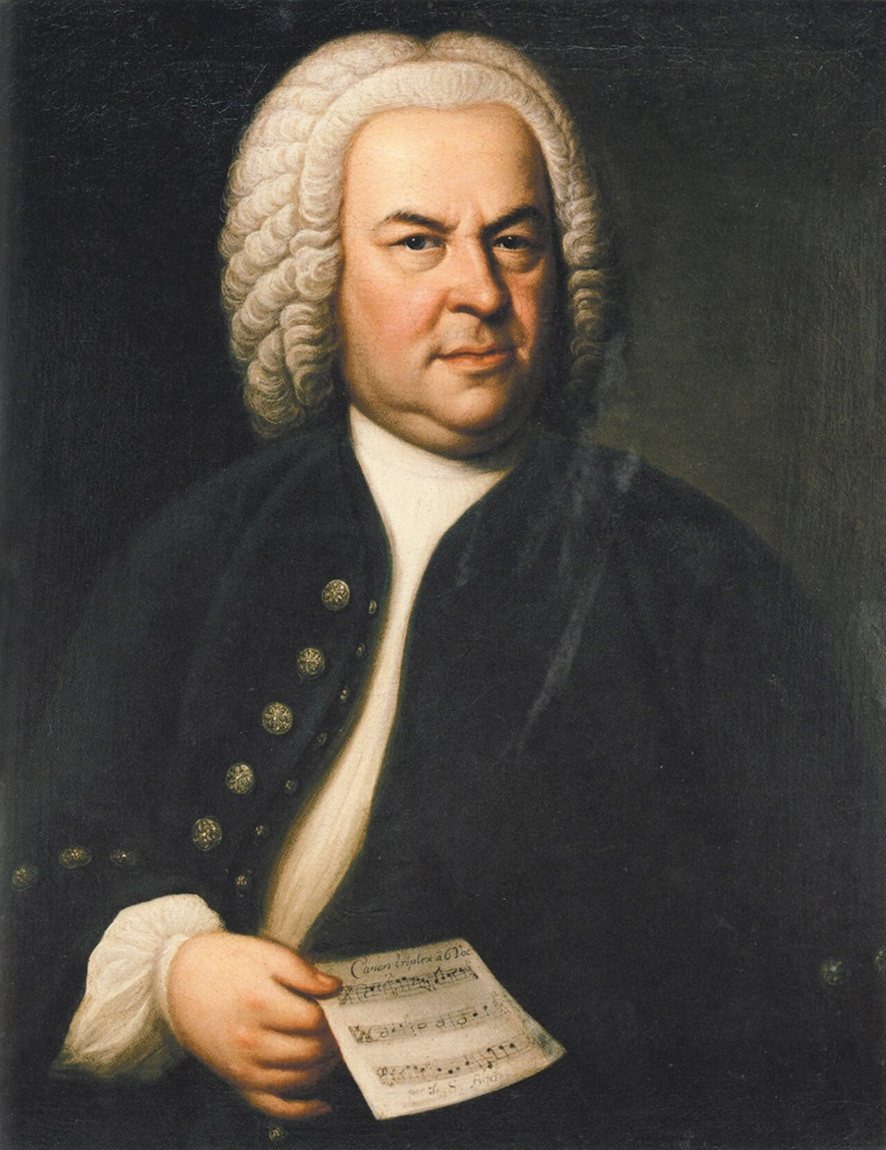 | Johann Sebastian Bach, 1748Elias Gottlob Haussmann · source | Public domain |
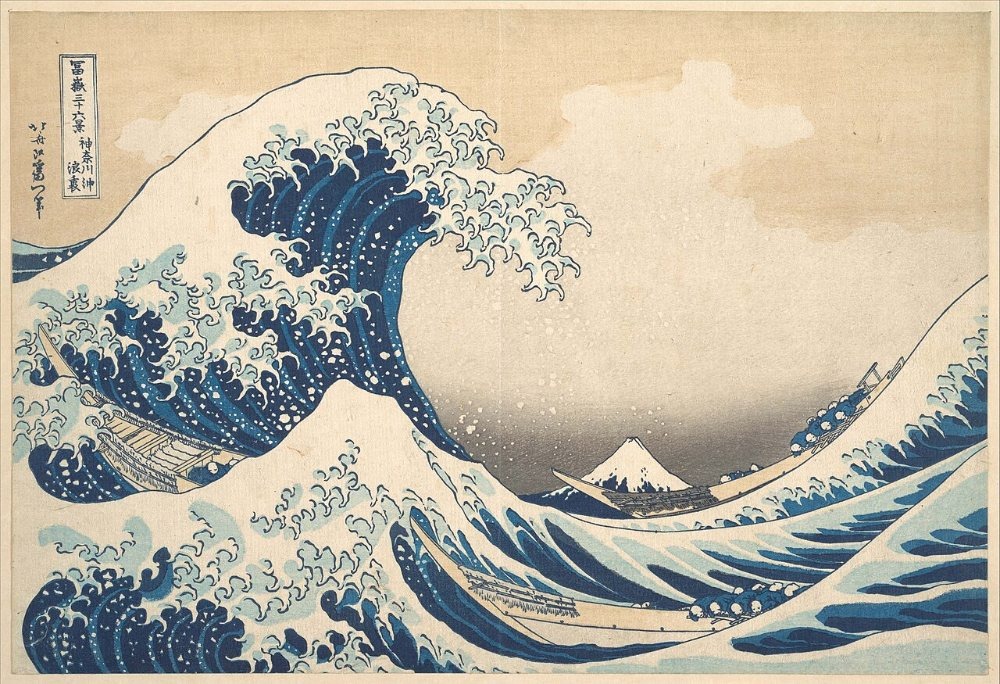 | Under the Wave off Kanagawa (The Great Wave), c. 1830–32Katsushika Hokusai. The Metropolitan Museum of Art · source | CC0 (Met Open Access) |
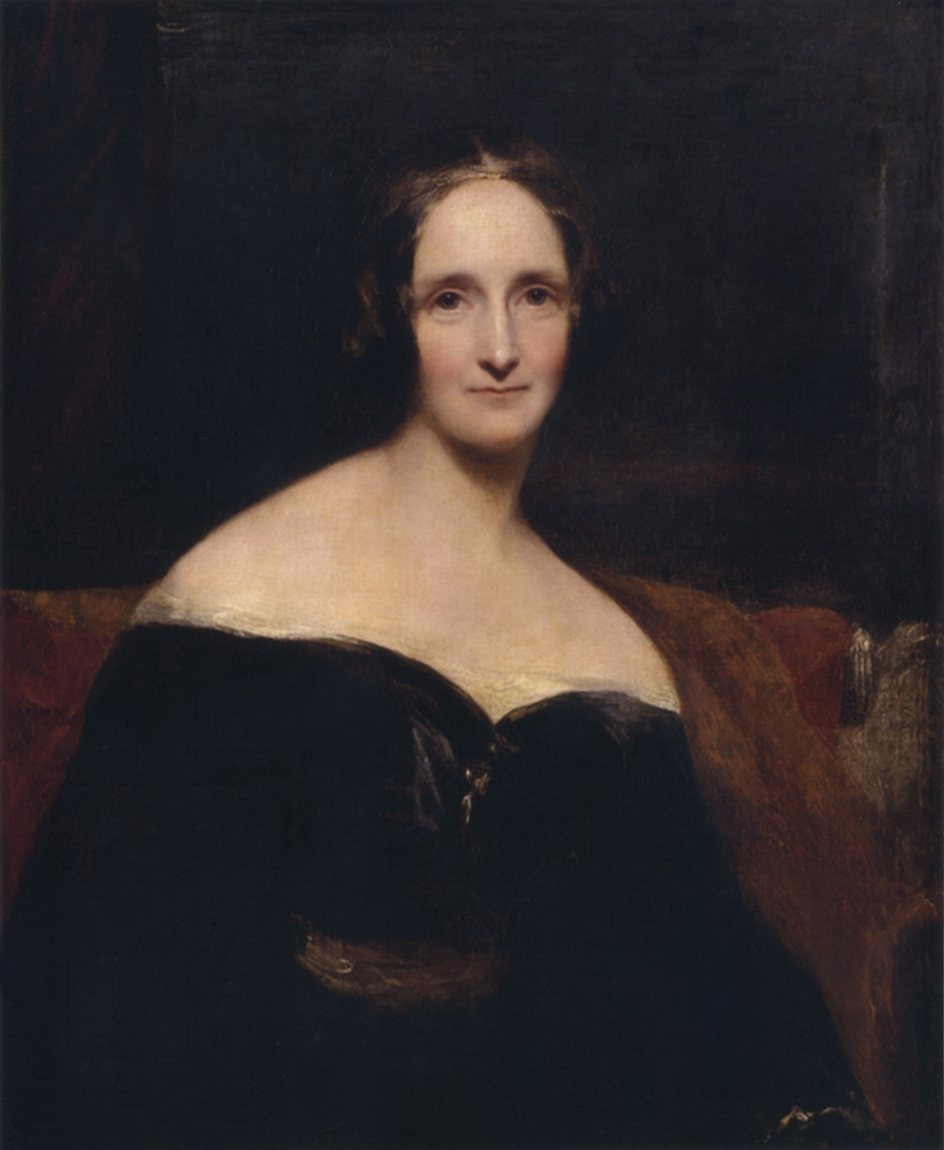 | Mary Shelley, exhibited 1840Richard Rothwell · source | Public domain |
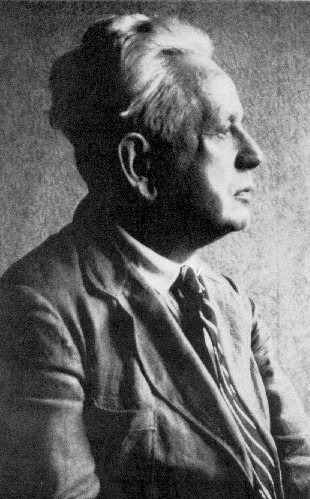 | Ernst Cassirer, c. 1935Unknown photographer · source | Public domain |
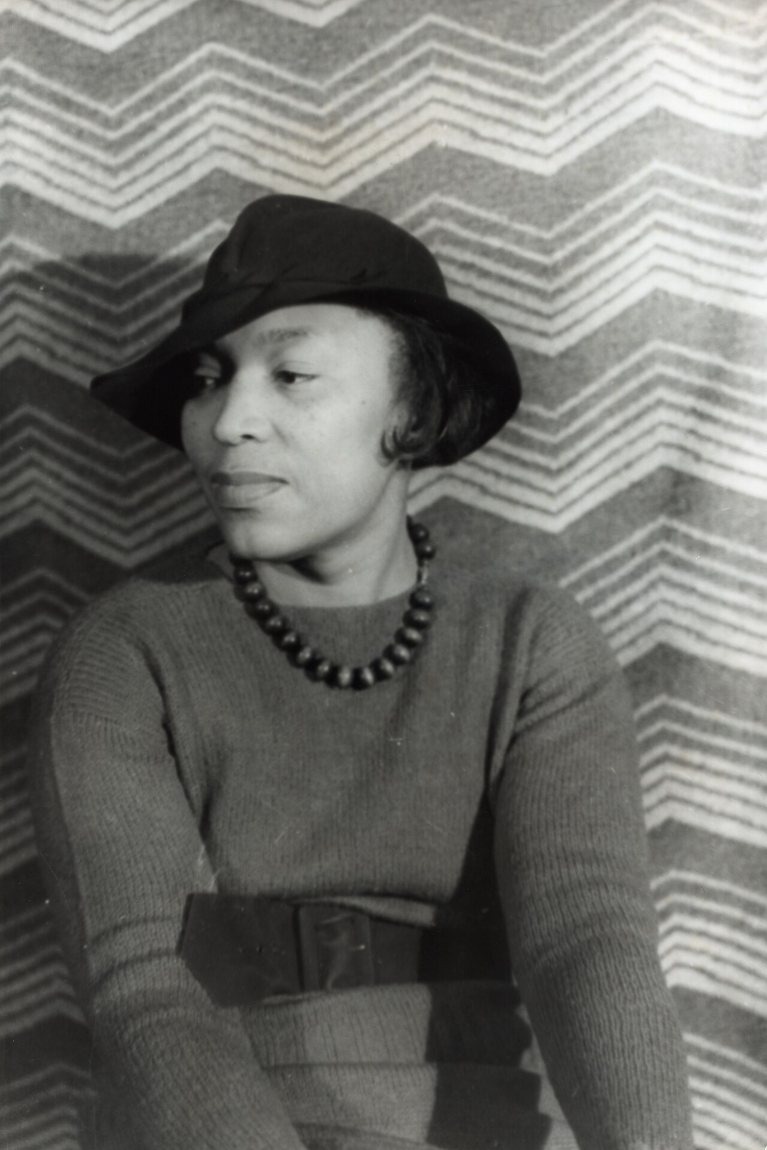 | Zora Neale Hurston, 1938Carl Van Vechten. Library of Congress · source | Public domain |
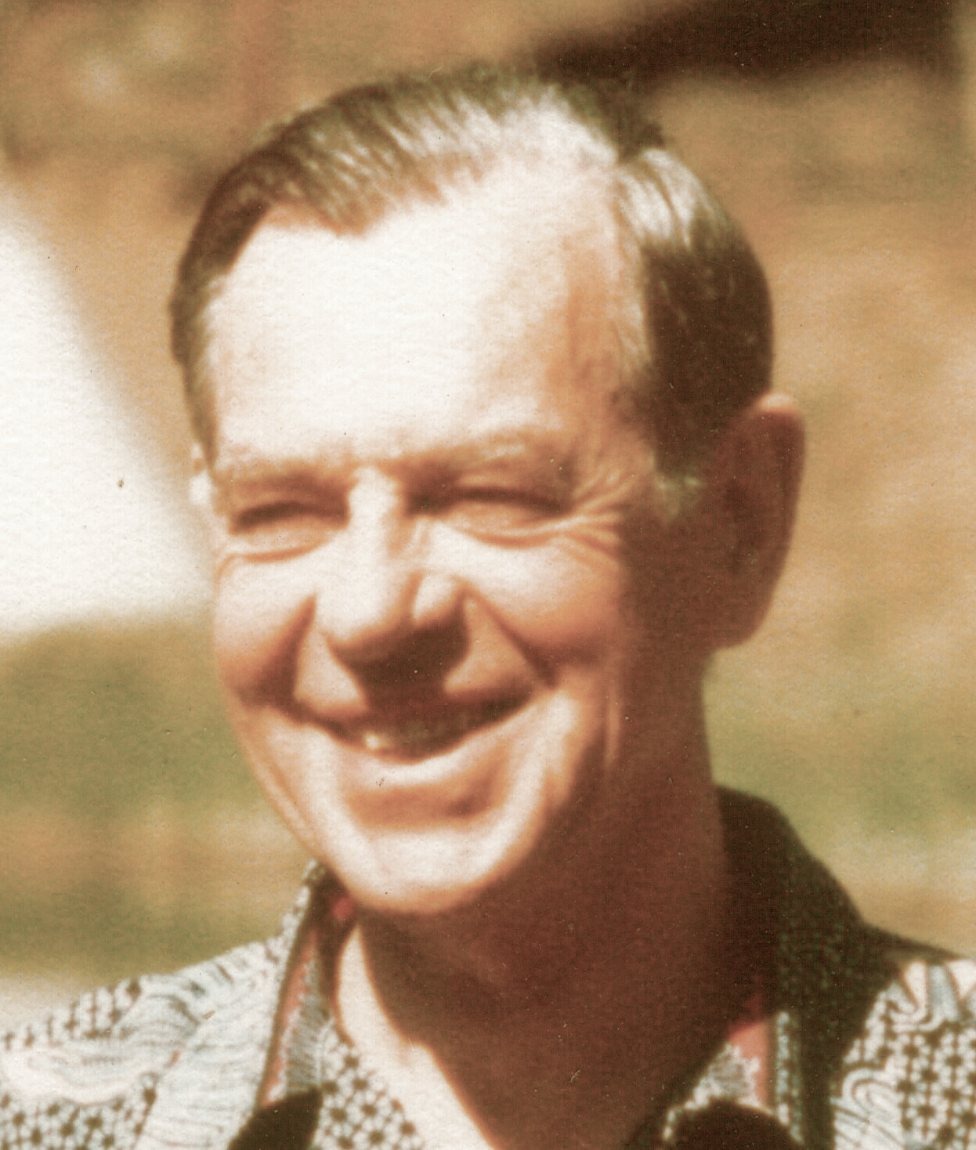 | Joseph Campbell at Feathered Pipe Ranch, Montana, late 1970sJoan Halifax · source | CC BY 2.0 |
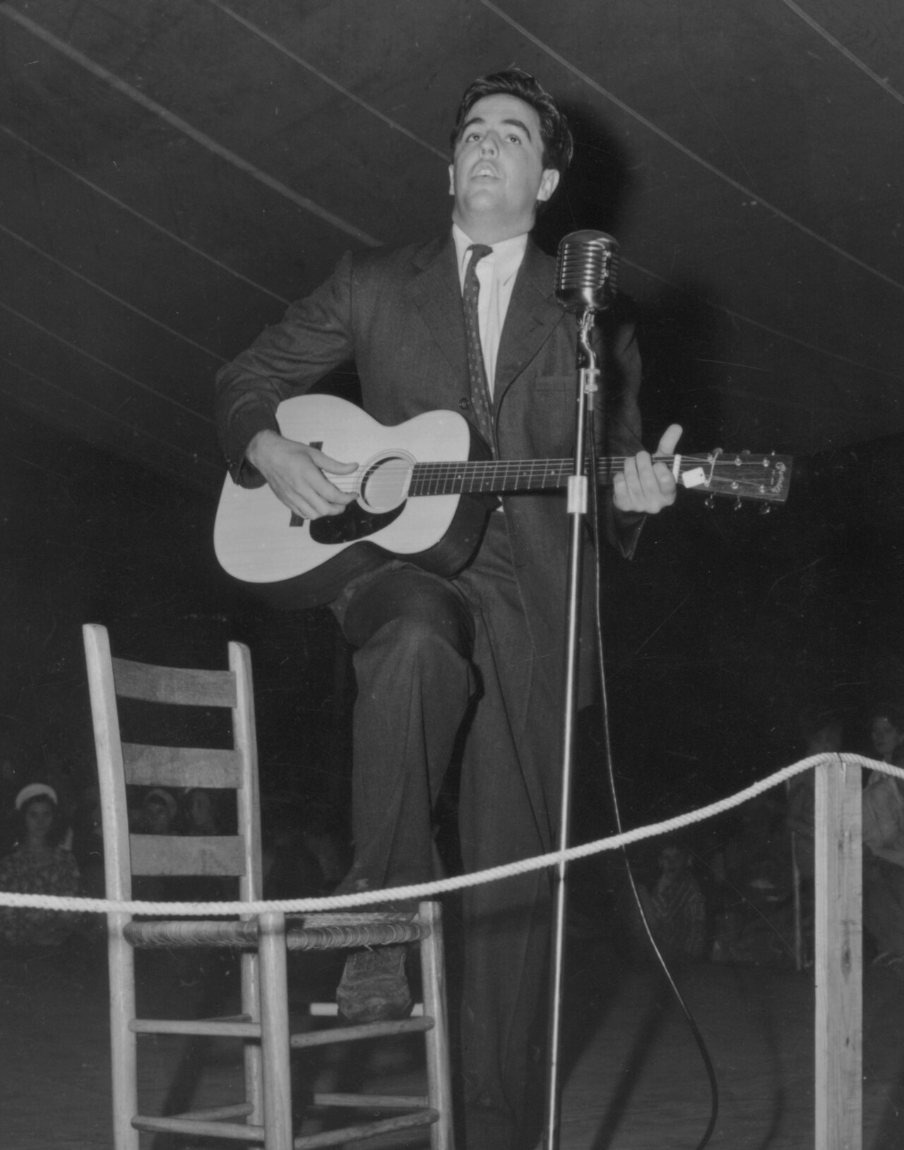 | Alan Lomax at the Mountain Music Festival, Asheville, early 1940sUnknown photographer. Library of Congress · source | Public domain |
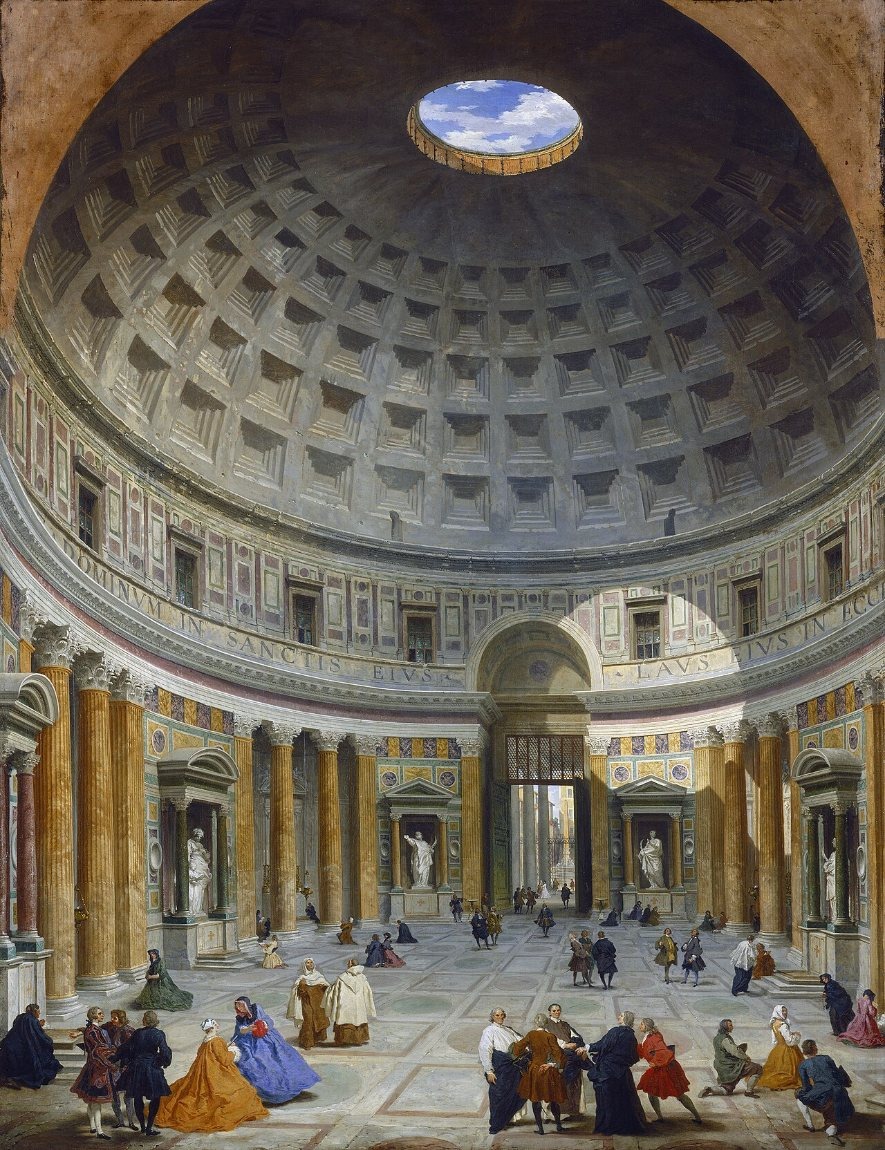 | Interior of the Pantheon, Rome, c. 1734Giovanni Paolo Panini. National Gallery of Art, Washington (1939.1.24) · source | CC0 |
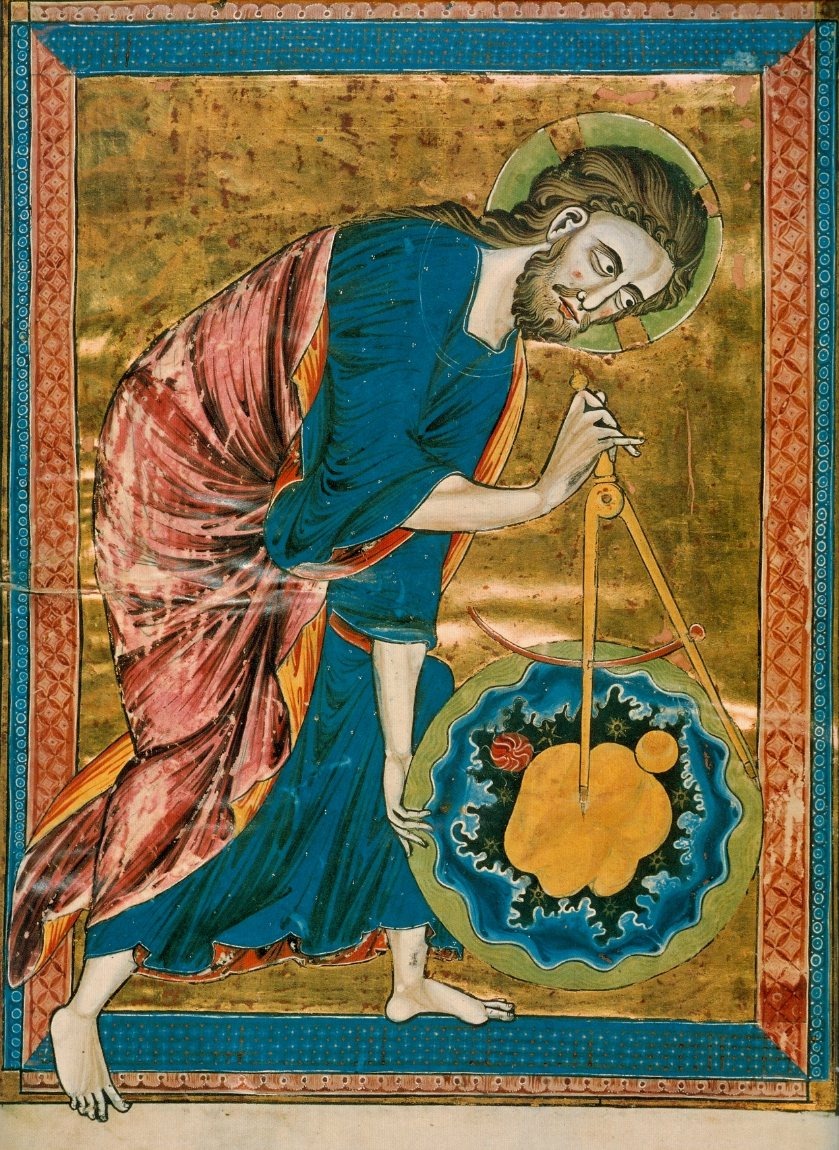 | God as architect of the world, frontispiece of a Bible moralisée, c. 1220–30Unknown illuminator. Austrian National Library, Vienna (Cod. 2554) · source | Public domain |
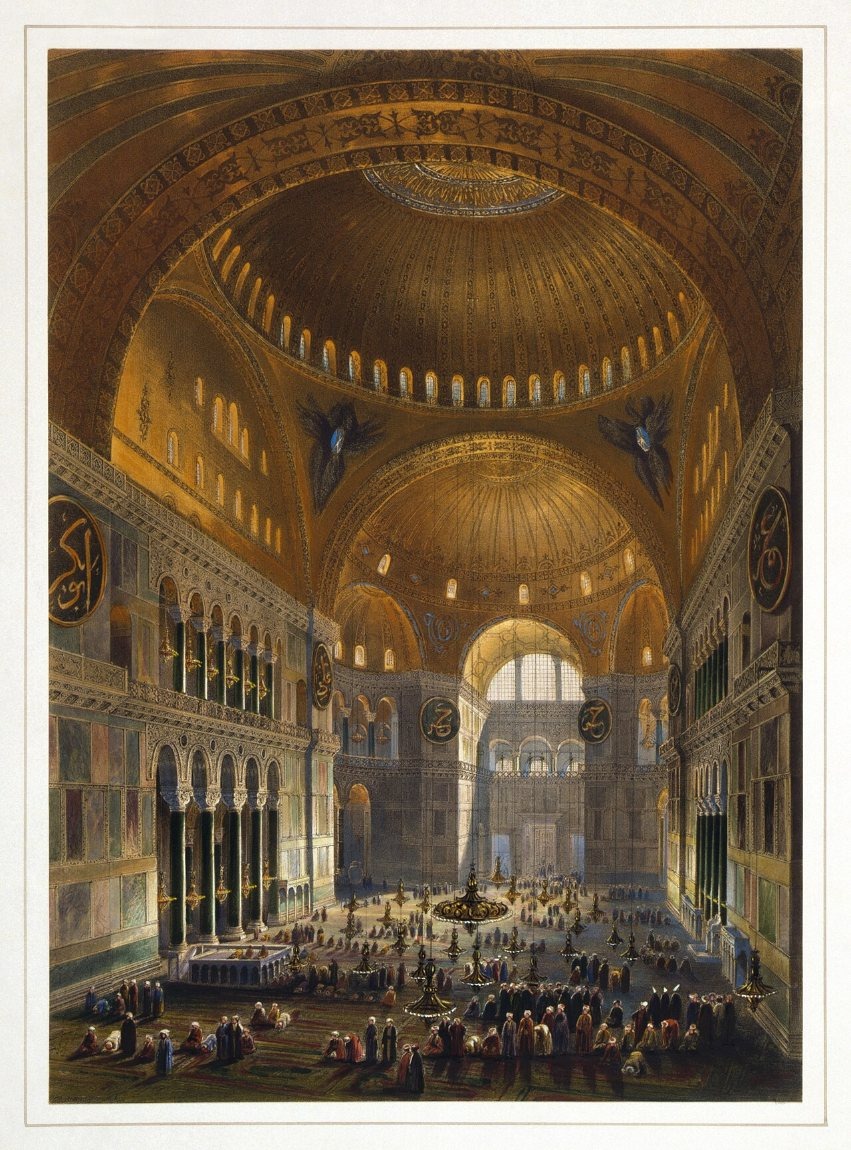 | The nave of Hagia Sophia, looking west, 1852Lithograph by Louis Haghe after Gaspare Fossati. Library of Congress · source | Public domain |
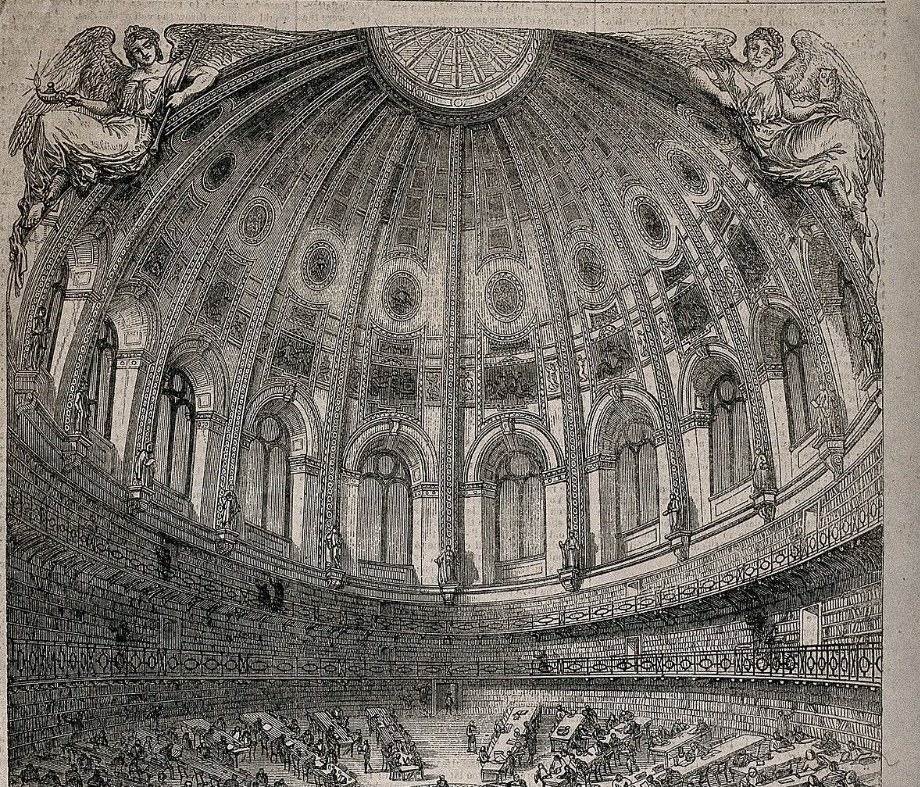 | The British Museum: the interior of the Reading Room, in useWood engraving by G. F. Sargent. Wellcome Collection (V0013520) · source | CC BY 4.0 |
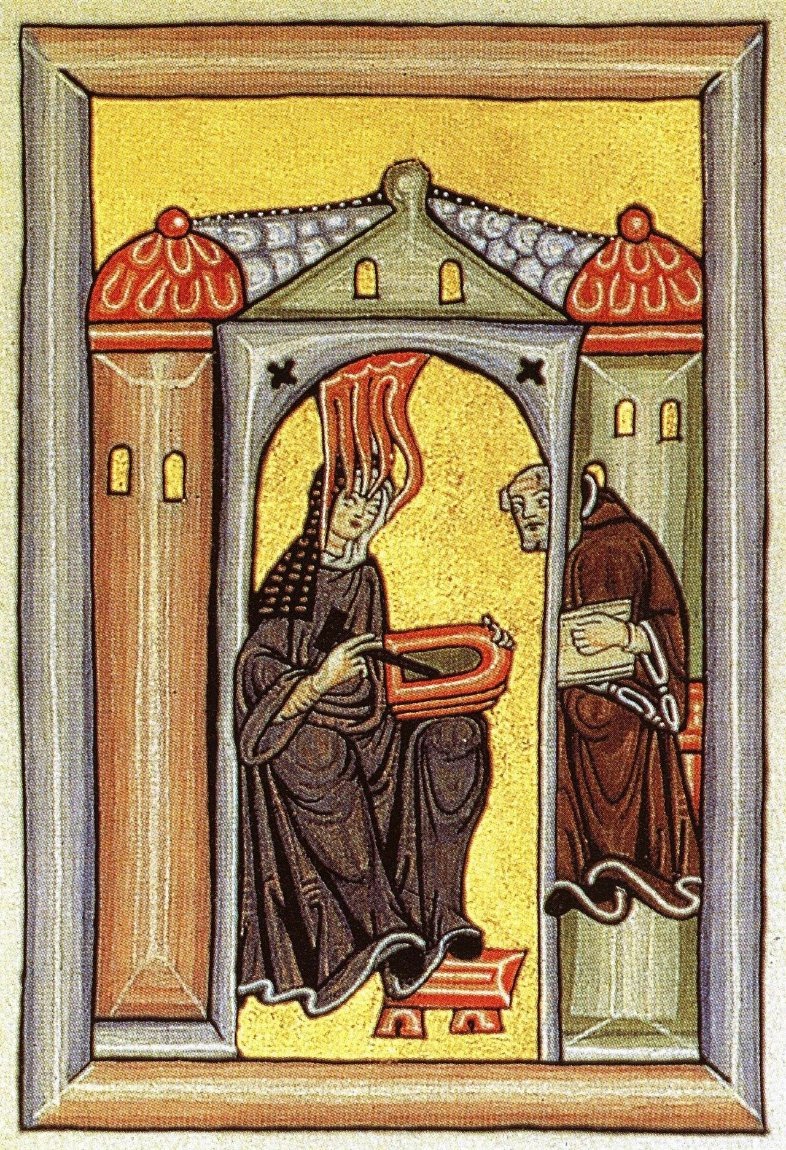 | Hildegard of Bingen receiving a vision, miniature from the Rupertsberg Scivias, twelfth century (manuscript lost 1945)Unknown illuminator · source | Public domain |
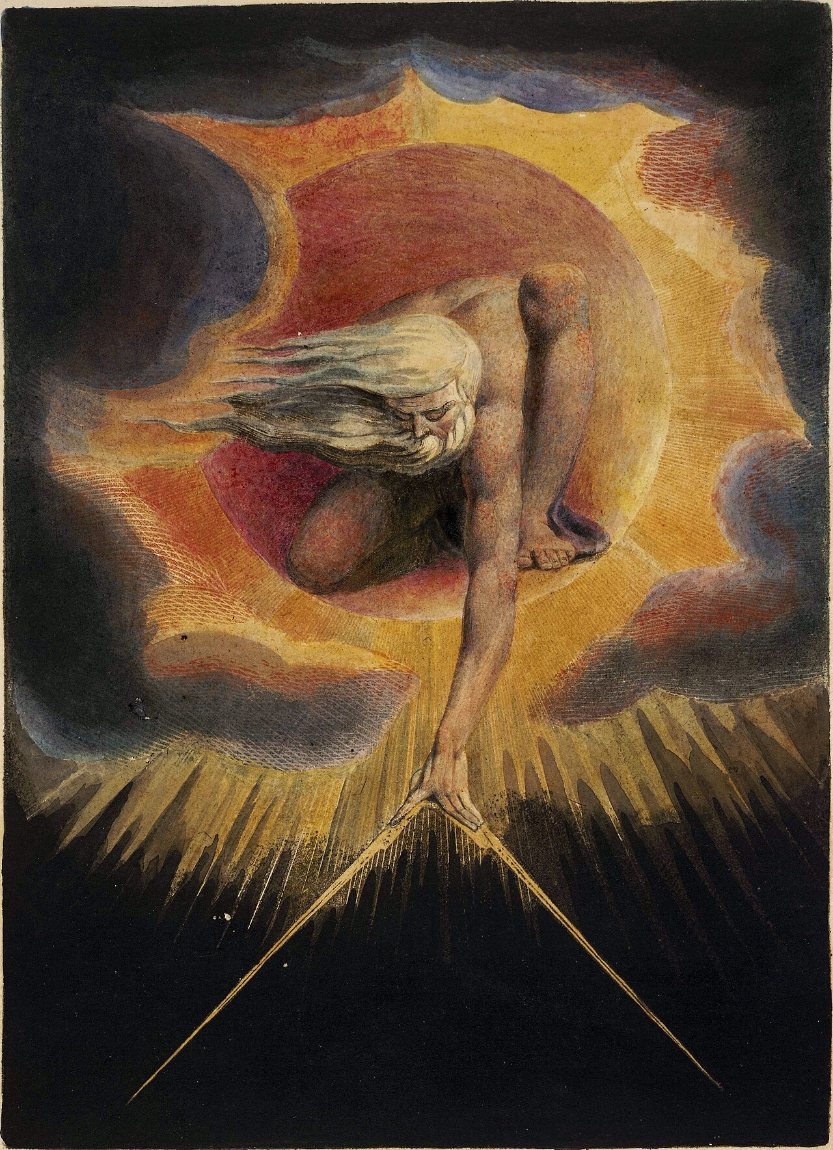 | The Ancient of Days, frontispiece to Europe a Prophecy (copy D), 1794William Blake. British Museum · source | Public domain |
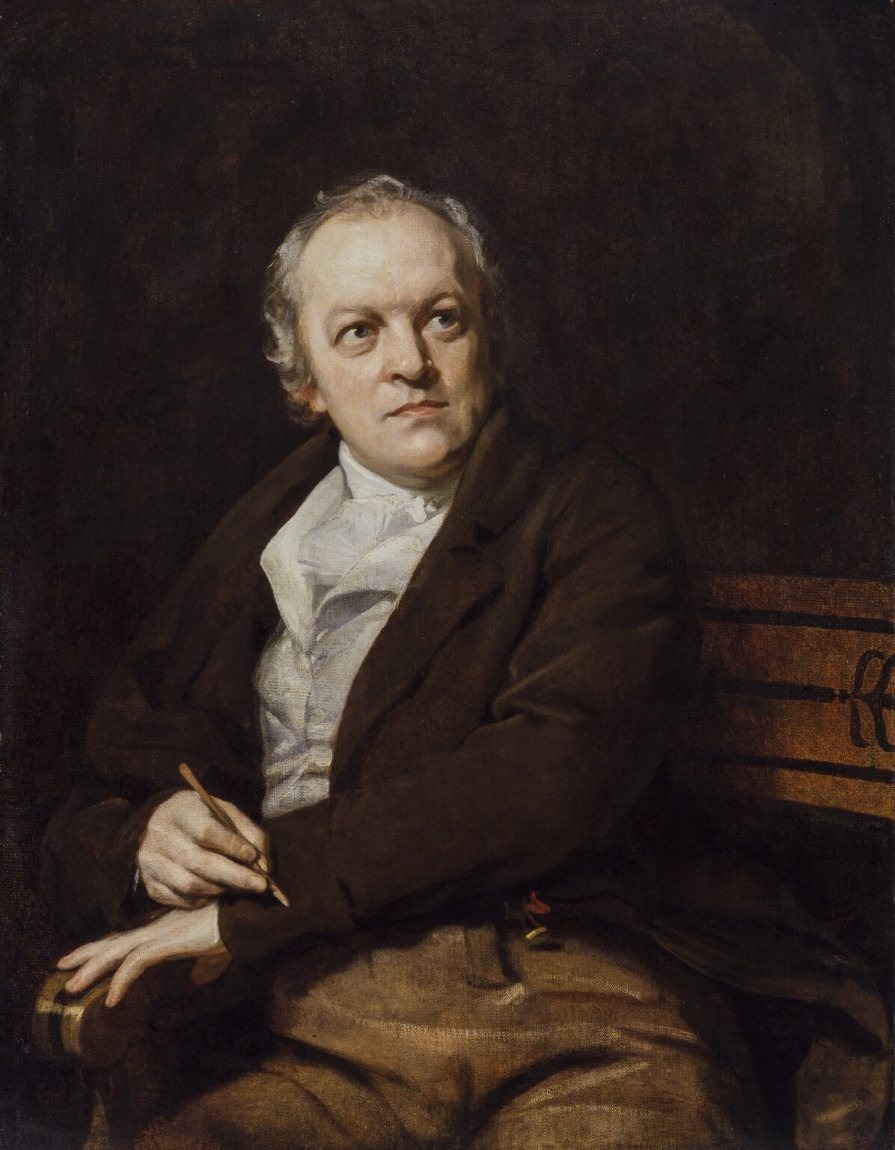 | William Blake, 1807Thomas Phillips. National Portrait Gallery, London · source | Public domain |
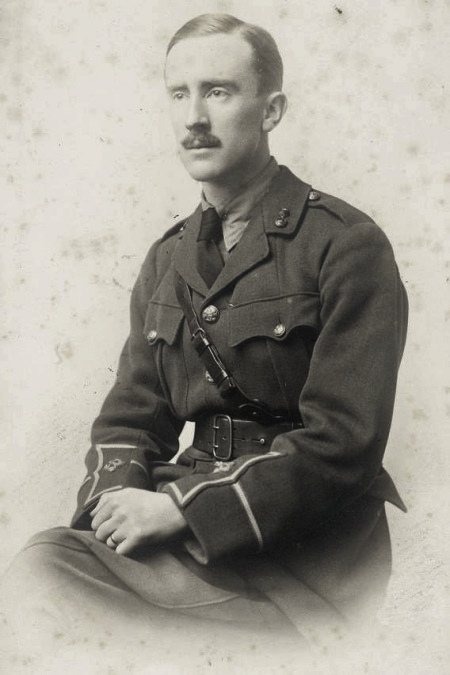 | J. R. R. Tolkien in army uniform, 1916Unknown photographer · source | Public domain |
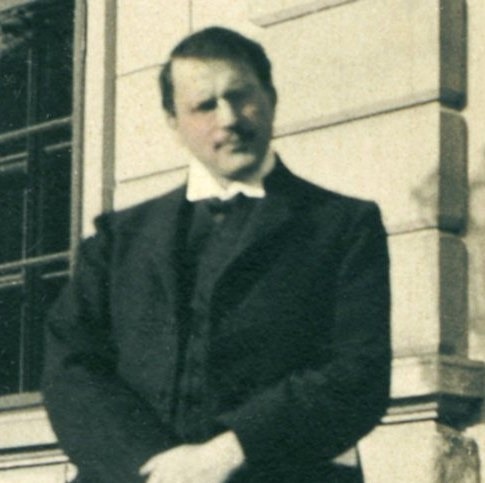 | Carl Gustav Jung, c. 1910, hand-coloured photograph (detail)Library of Congress, Prints and Photographs Division · source | Public domain |
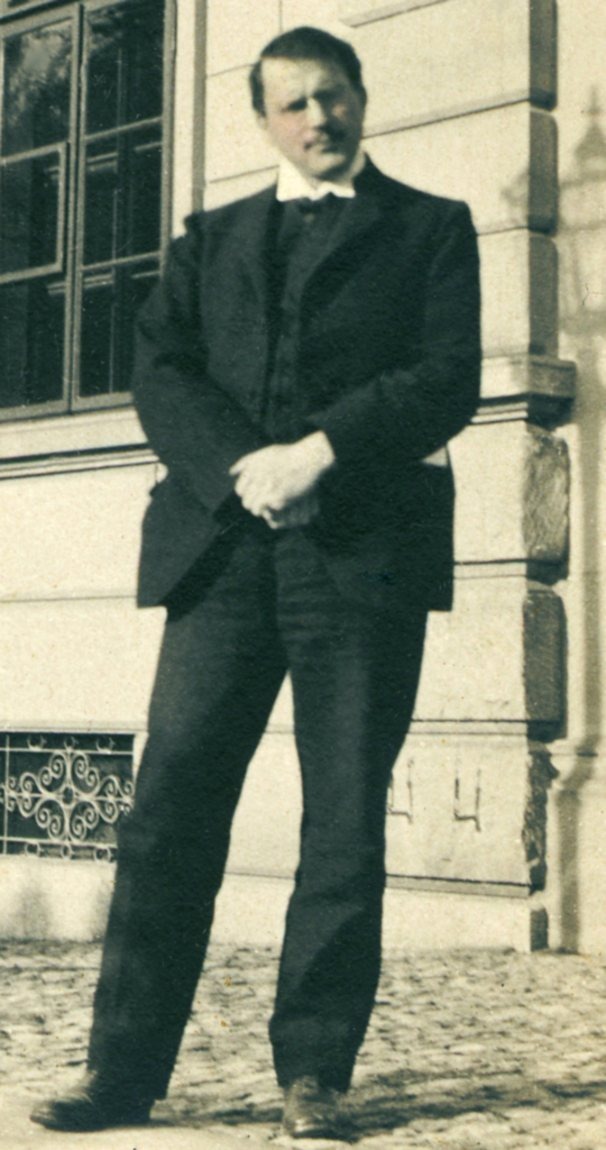 | Carl Gustav Jung, c. 1910, hand-coloured photographLibrary of Congress, Prints and Photographs Division · source | Public domain |
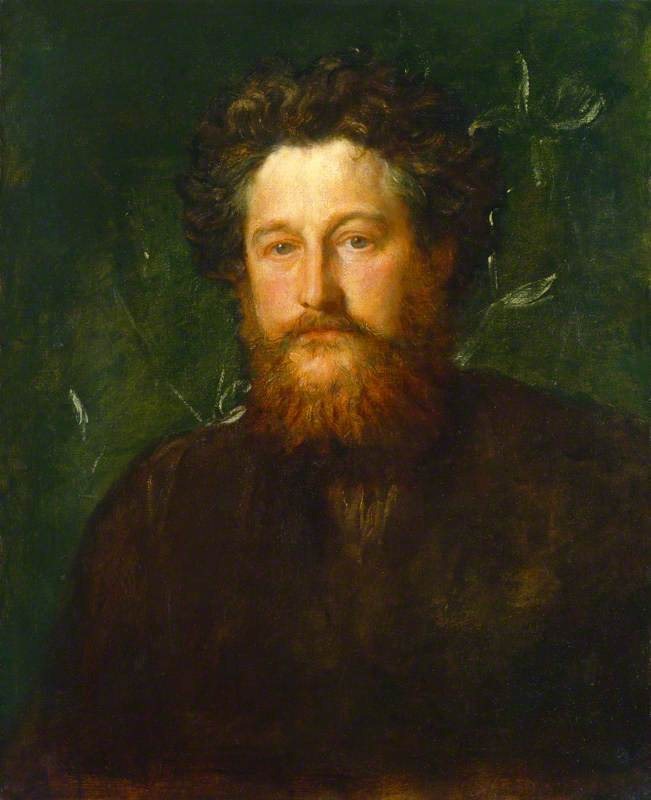 | William Morris, 1870George Frederic Watts. National Portrait Gallery, London (NPG 1078) · source | Public domain |
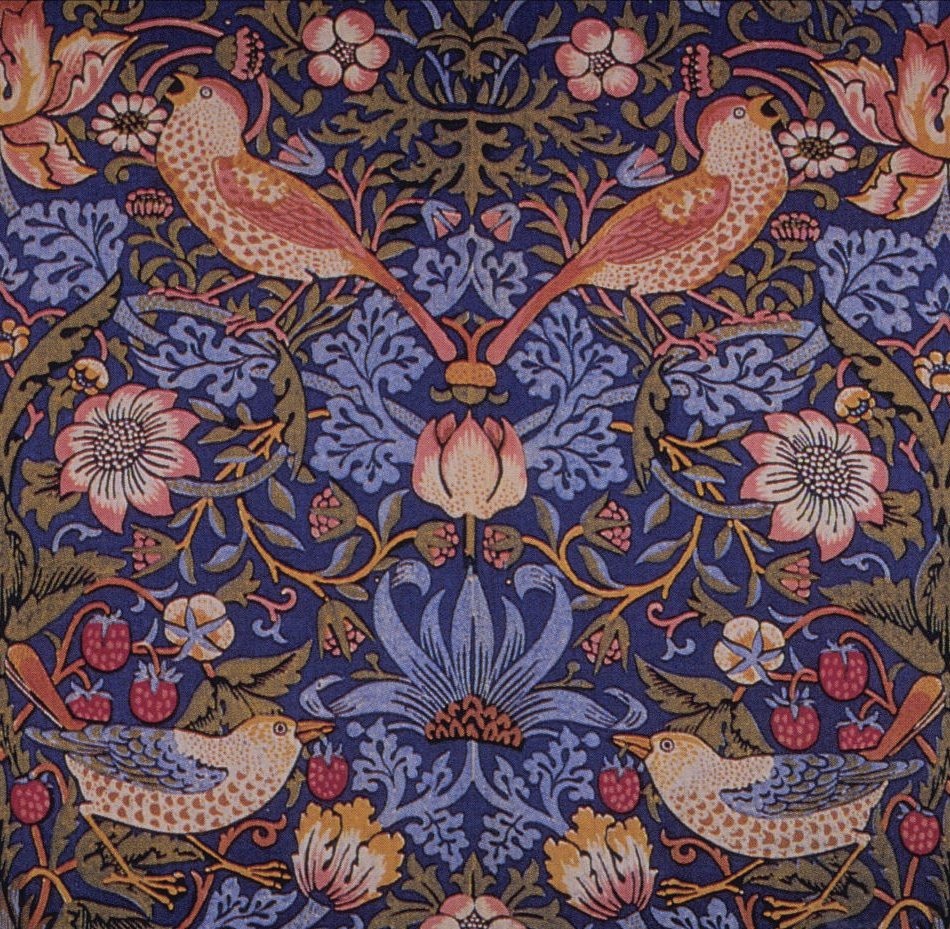 | Strawberry Thief, printed textile designed 1883 (detail)William Morris · source | Public domain |
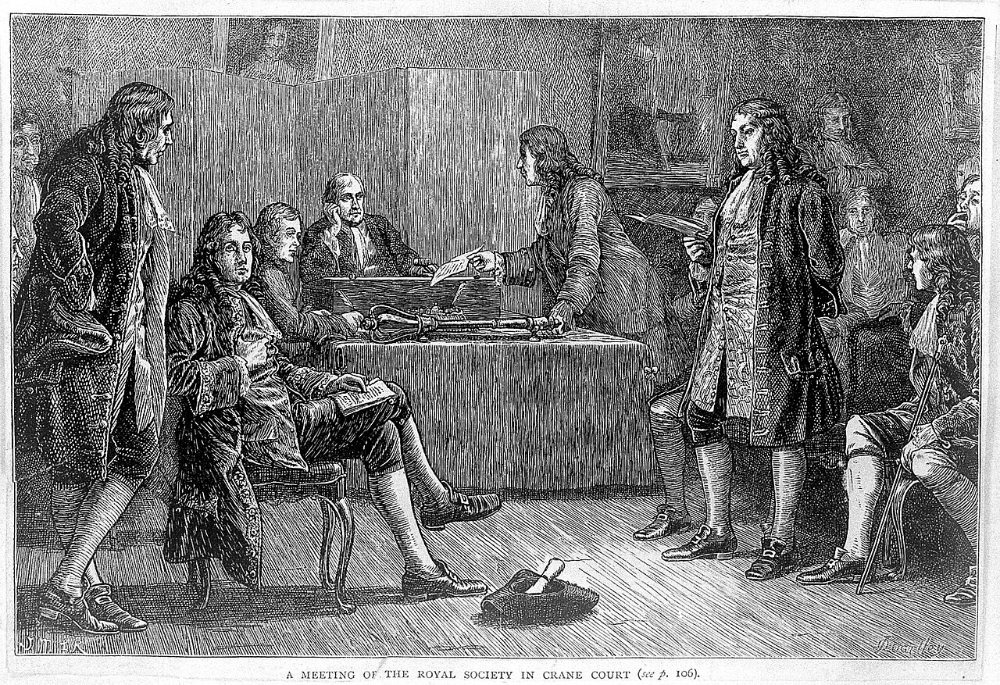 | A meeting of the Royal Society at Crane Court, London, with Isaac Newton in the chairWood engraving by J. Quartley, 1883. Wellcome Collection (L0013032) · source | CC BY 4.0 |
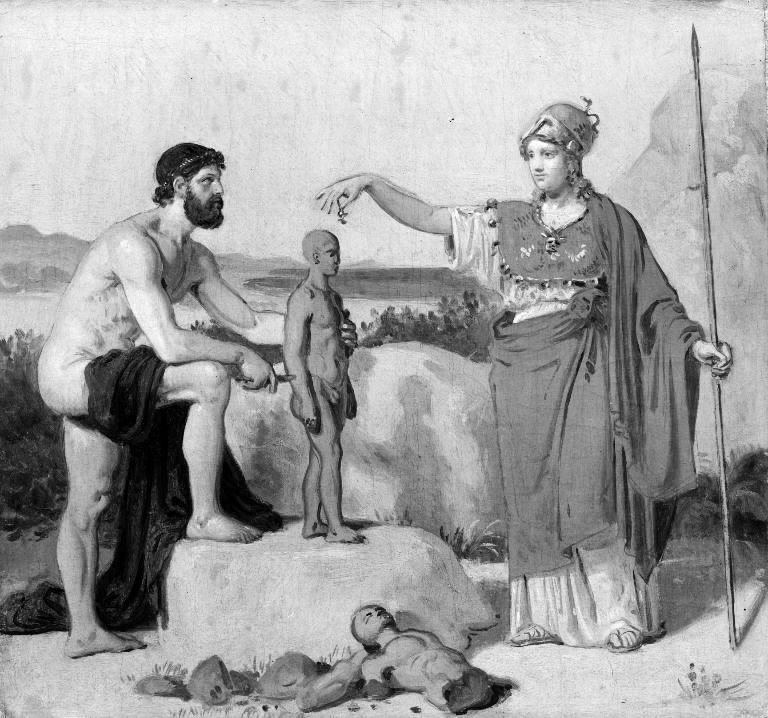 | Prometheus Moulding Man from Clay, sketch for the vestibule of the University of Copenhagen, c. 1845Constantin Hansen. Statens Museum for Kunst, Copenhagen (KMS3665) · source | Public domain |
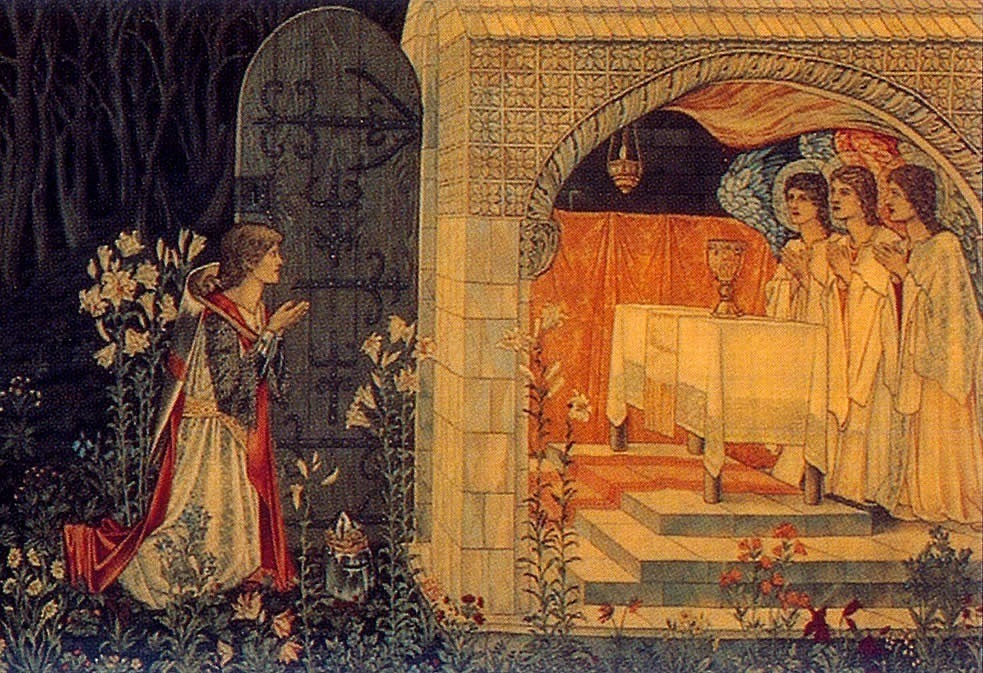 | The Attainment: the Vision of the Holy Grail (detail), 1890sDesigned by Edward Burne-Jones and William Morris; woven by Morris & Co. Tapestry · source | Public domain |
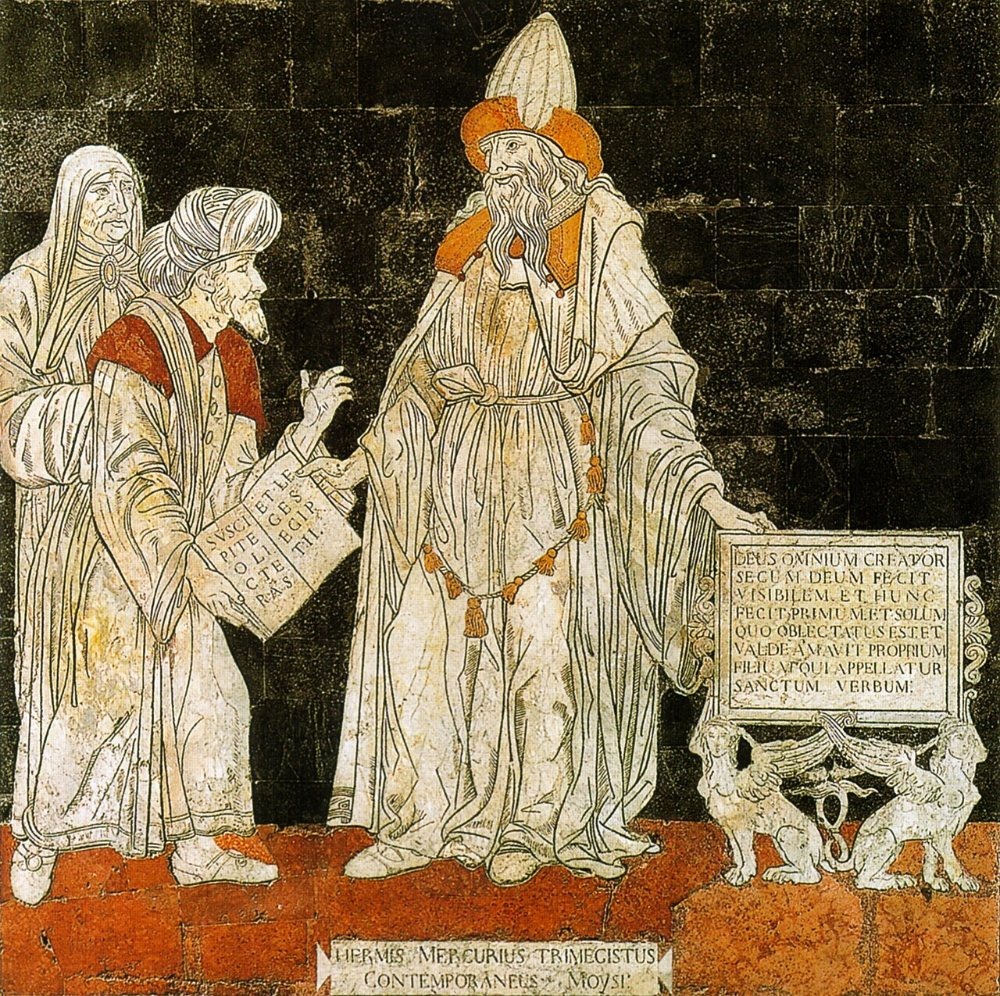 | Hermes Mercurius Trismegistus, pavement panel, Siena CathedralDesigned by Giovanni di Stefano, 1488; remade in the nineteenth century · source | Public domain |
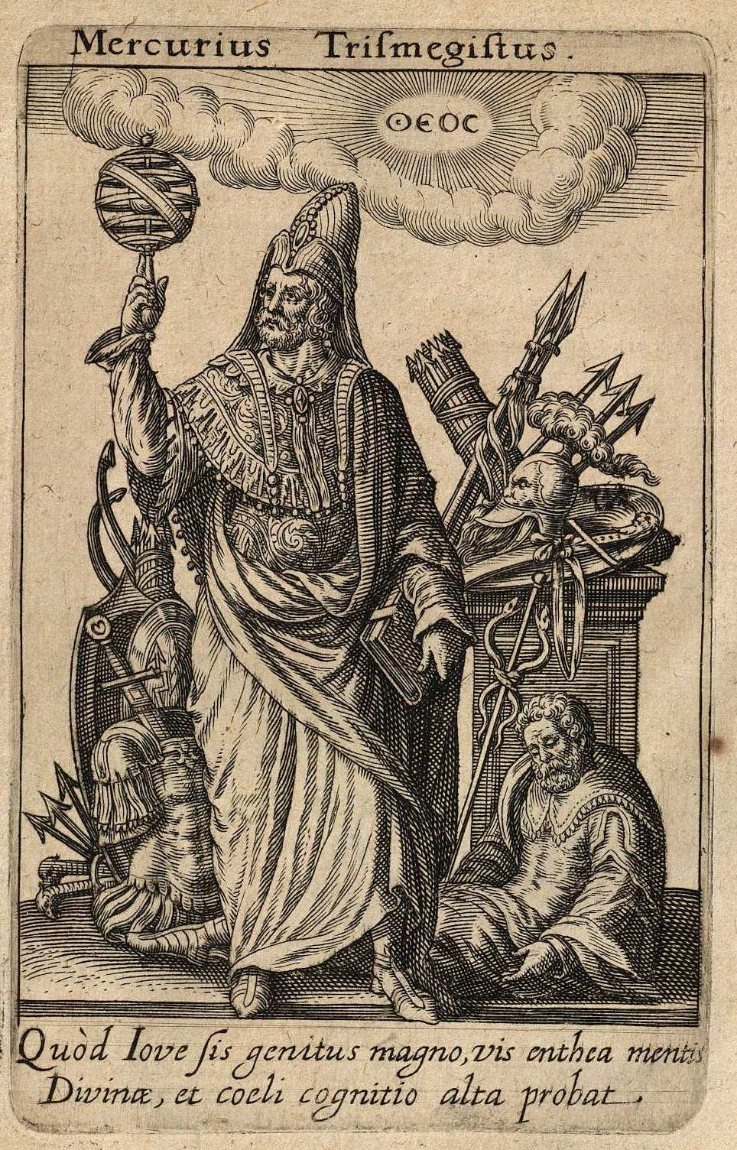 | Mercurius Trismegistus, from J.-J. Boissard, Tractatus posthumus de divinatione et magicis praestigiis (Oppenheim, 1615)Engraving by Johann Theodor de Bry. Biblioteca Nacional de España · source | Public domain |
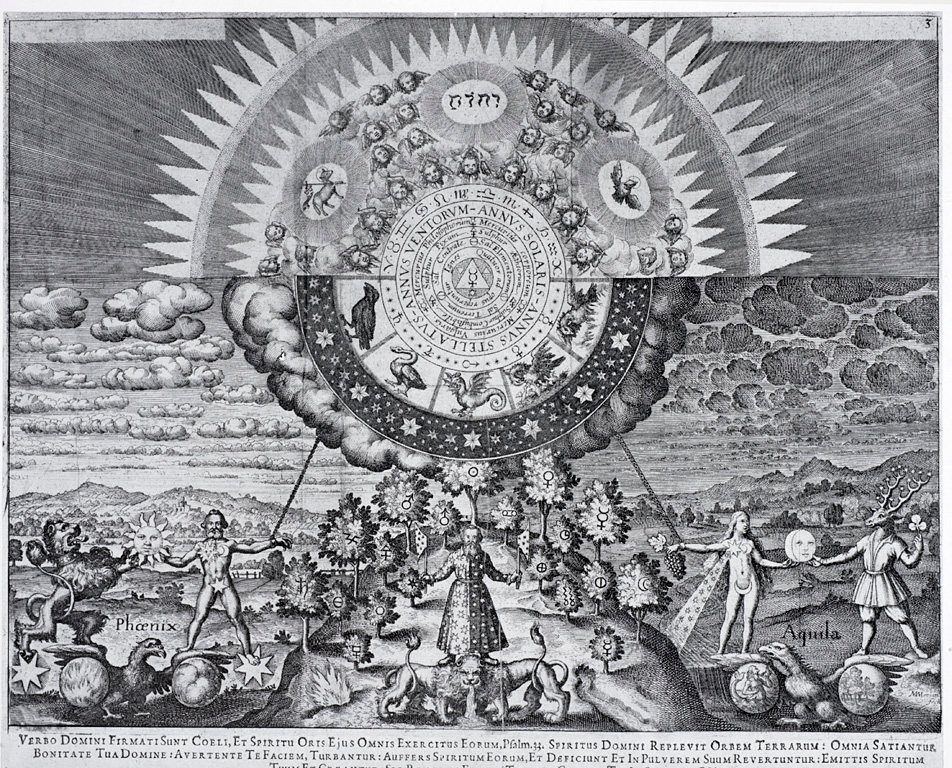 | Tabula Smaragdina (the Emerald Tablet)Engraving by Matthäus Merian, c. 1618. Photograph commissioned by the Dutch Museum of Freemasonry · source | Public domain |
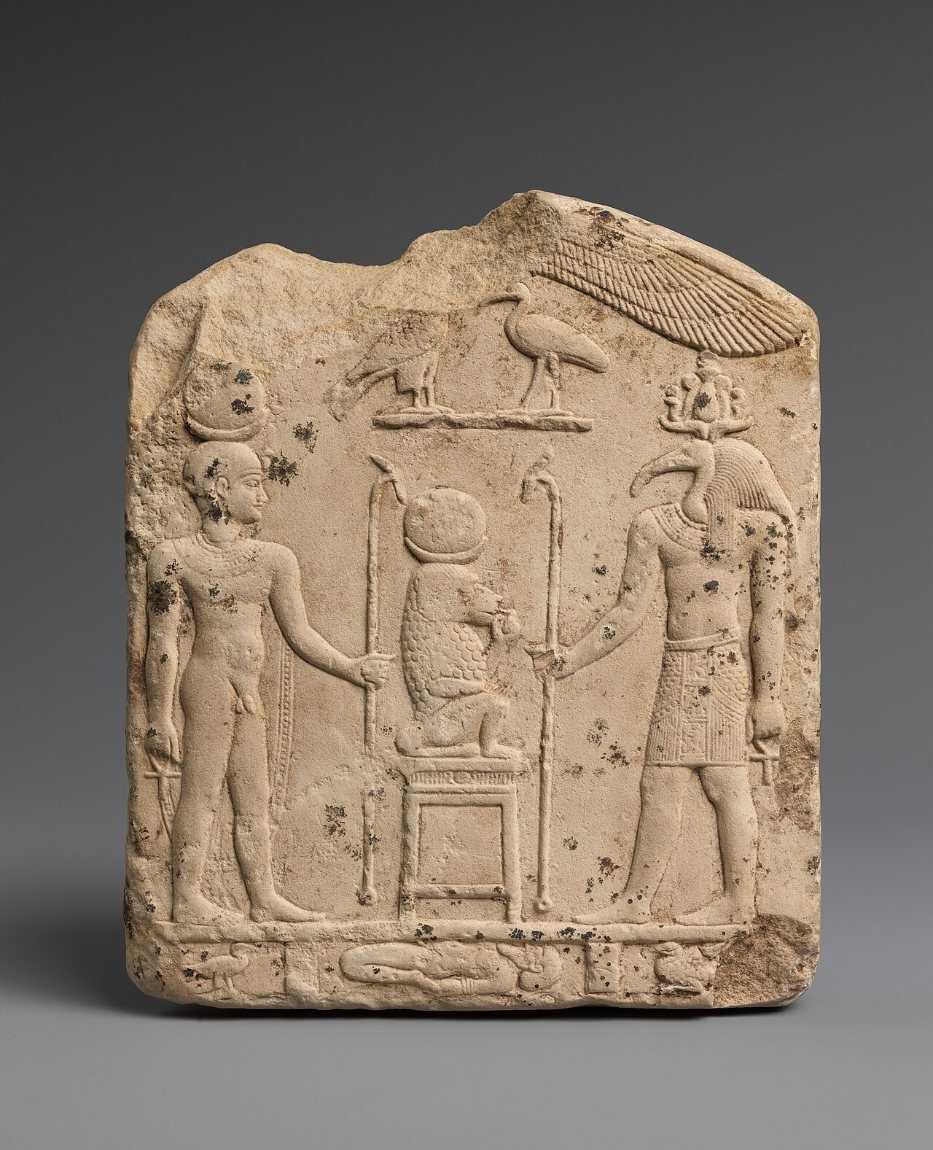 | Two-sided stela of pluriform Thoth, Roman Egypt, 1st–2nd century ADThe Metropolitan Museum of Art, 55.143 · source | CC0 (Met Open Access) |
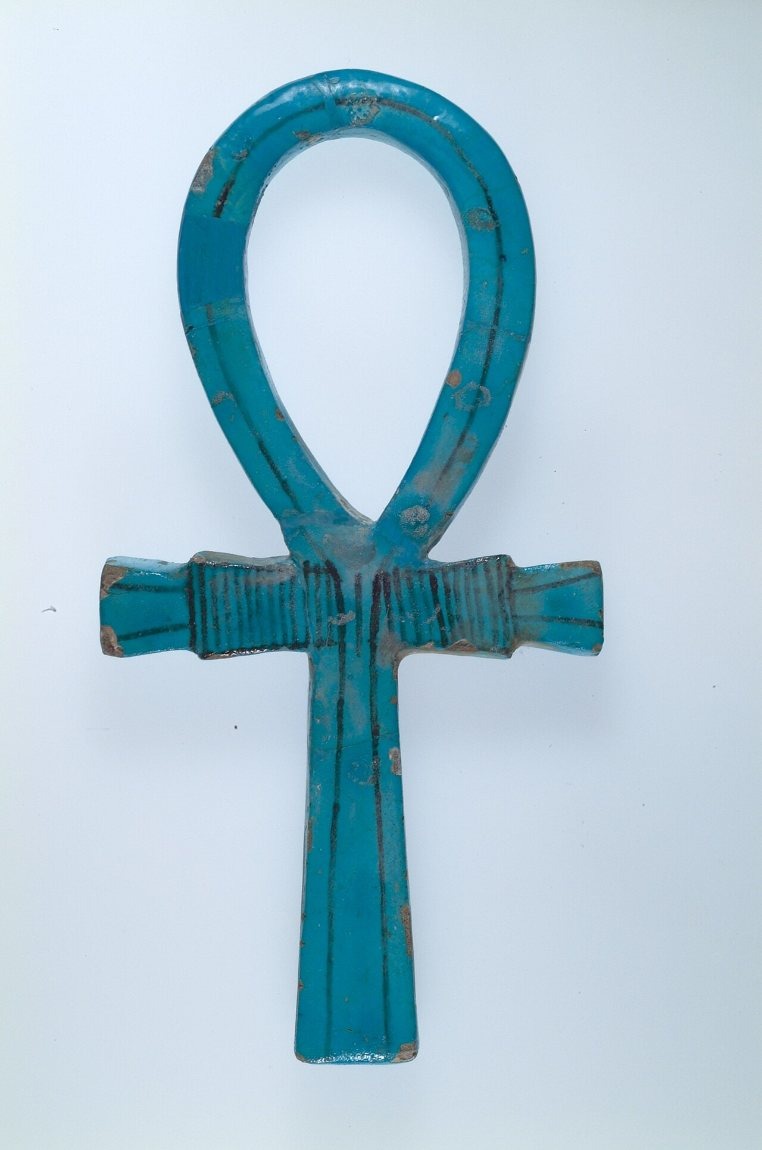 | Ceremonial implement in the shape of an ankh, EgyptThe Metropolitan Museum of Art, 30.8.29 · source | CC0 (Met Open Access) |
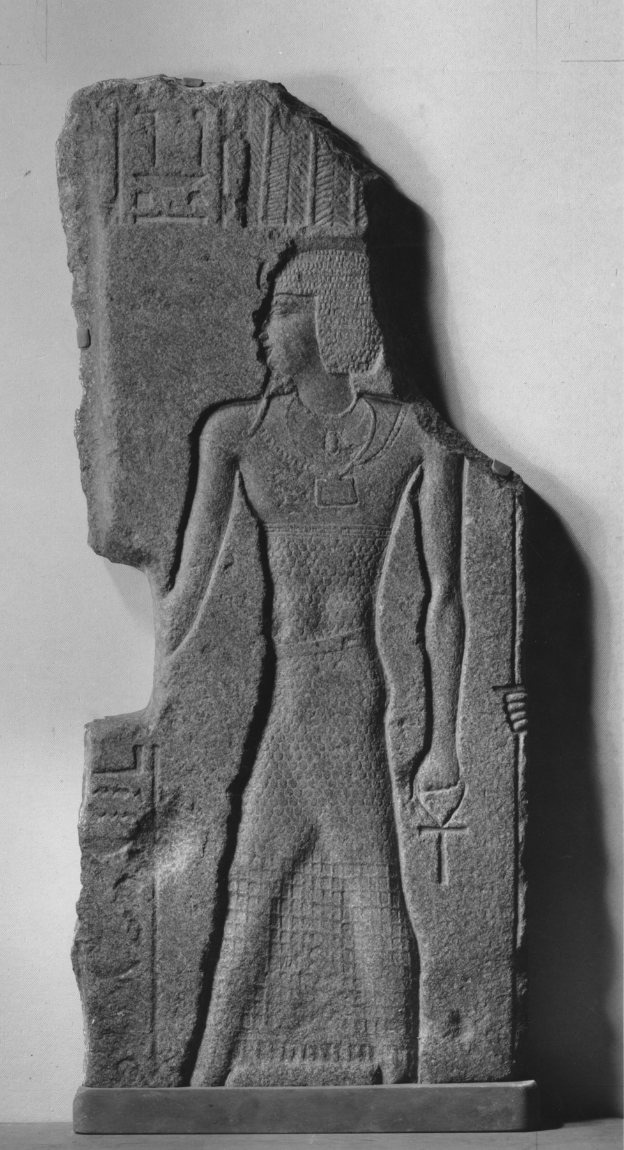 | Relief with Onuris-Shu holding the ankh and was-sceptre, reign of Ptolemy II (285–246 BC)Walters Art Museum, Baltimore, 22.120 · source | Public domain |
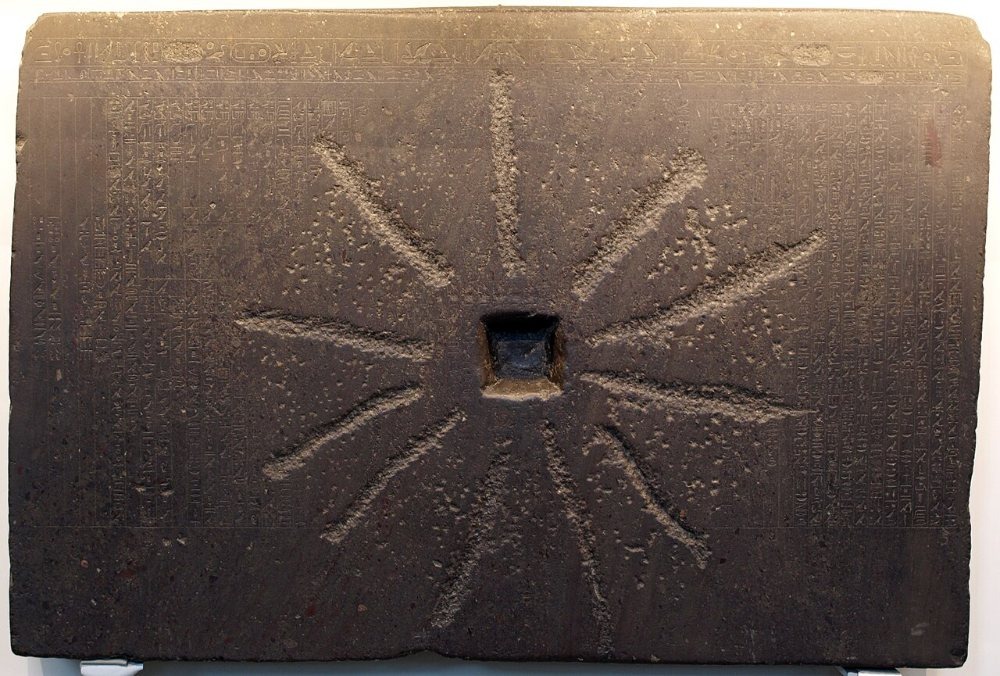 | The Shabaka Stone, c. 710 BC, British Museum EA 498Photograph by CaptMondo, 2008 · source | CC BY 2.5 |
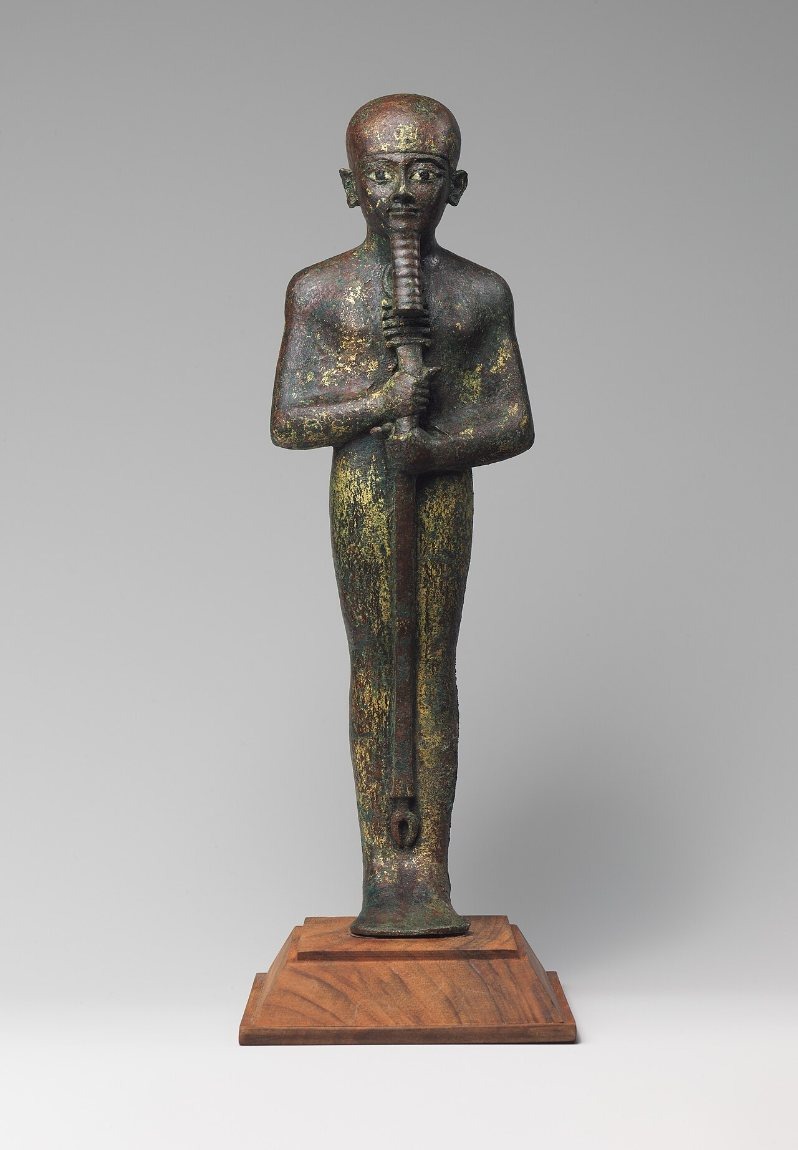 | Statue of Ptah, Third Intermediate Period, c. 1070–712 BCThe Metropolitan Museum of Art · source | CC0 (Met Open Access) |
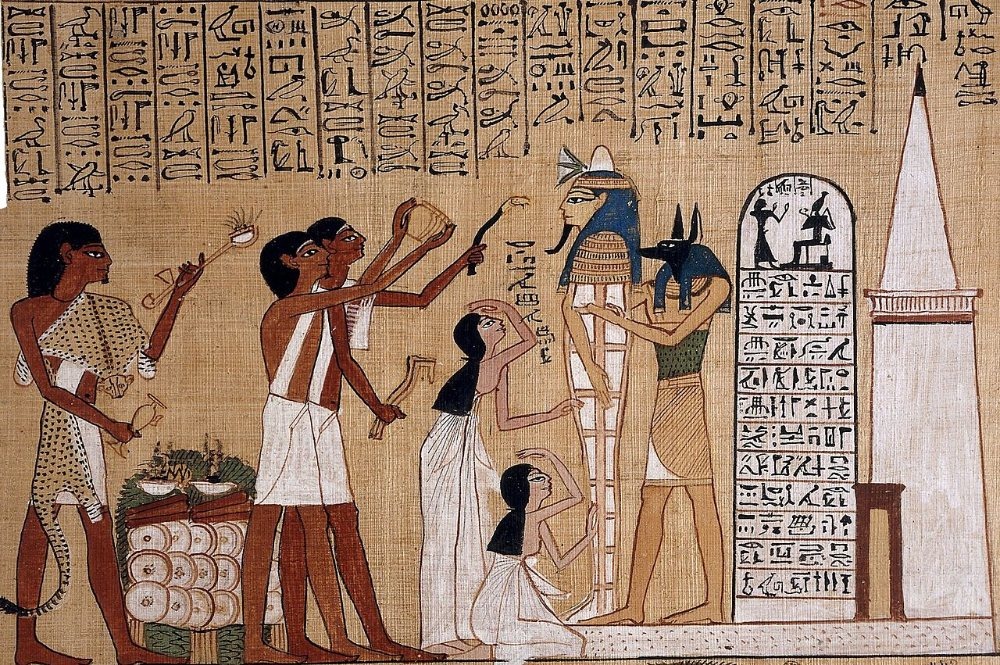 | The Opening of the Mouth, vignette from the Book of the Dead of Hunefer, c. 1275 BCBritish Museum EA 9901 · source | Public domain |
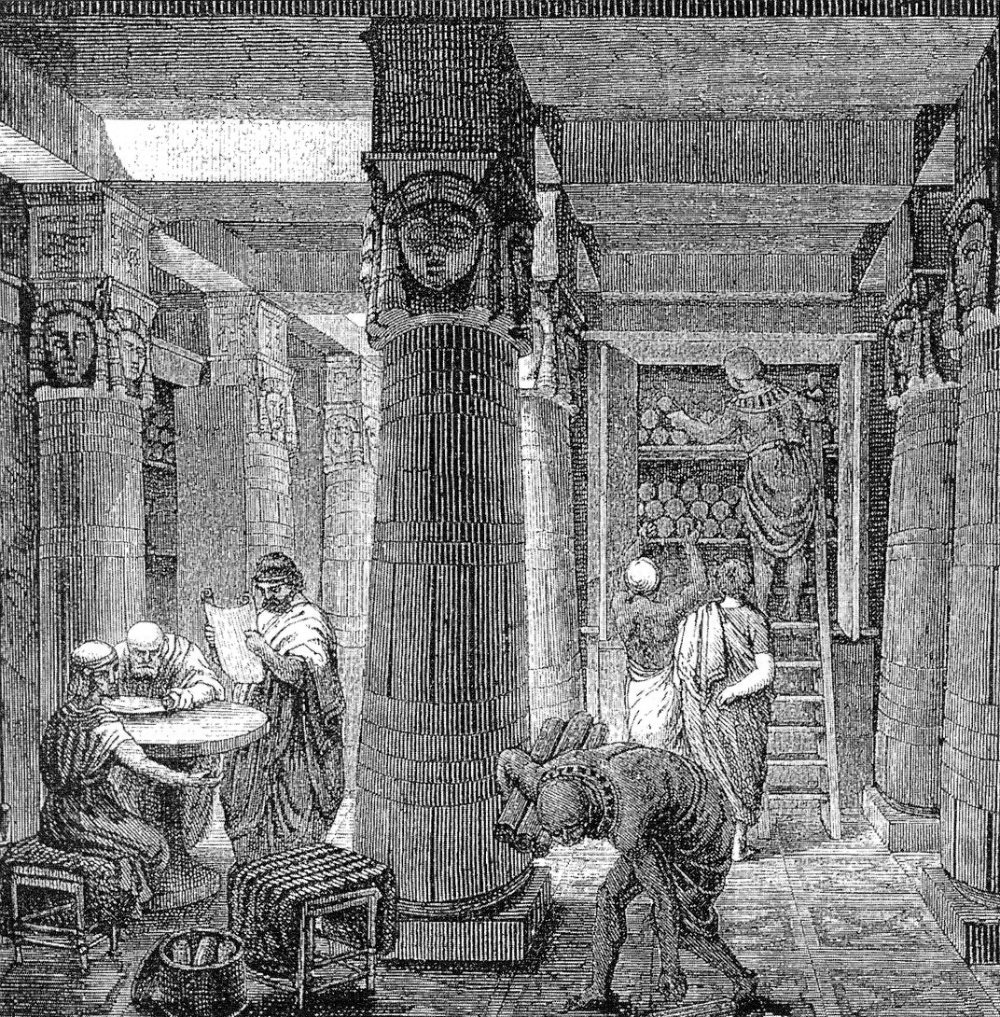 | The Great Library of Alexandria, an imaginative reconstructionEngraving after O. von Corven, nineteenth century · source | Public domain |
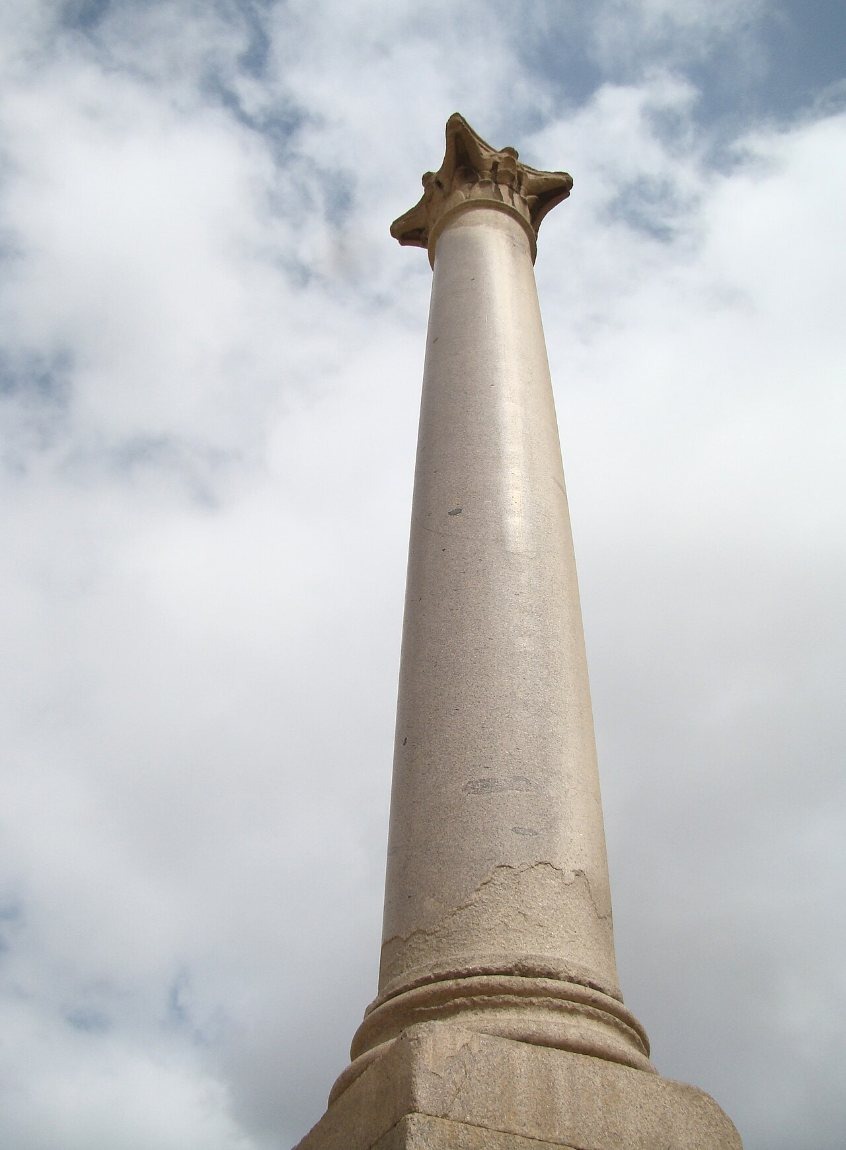 | Diocletian’s Column on the site of the Serapeum, AlexandriaPhotograph by Iris Fernandez, 2009, for the Institute for the Study of the Ancient World (AWIB-ISAW) · source | CC BY 2.0 |
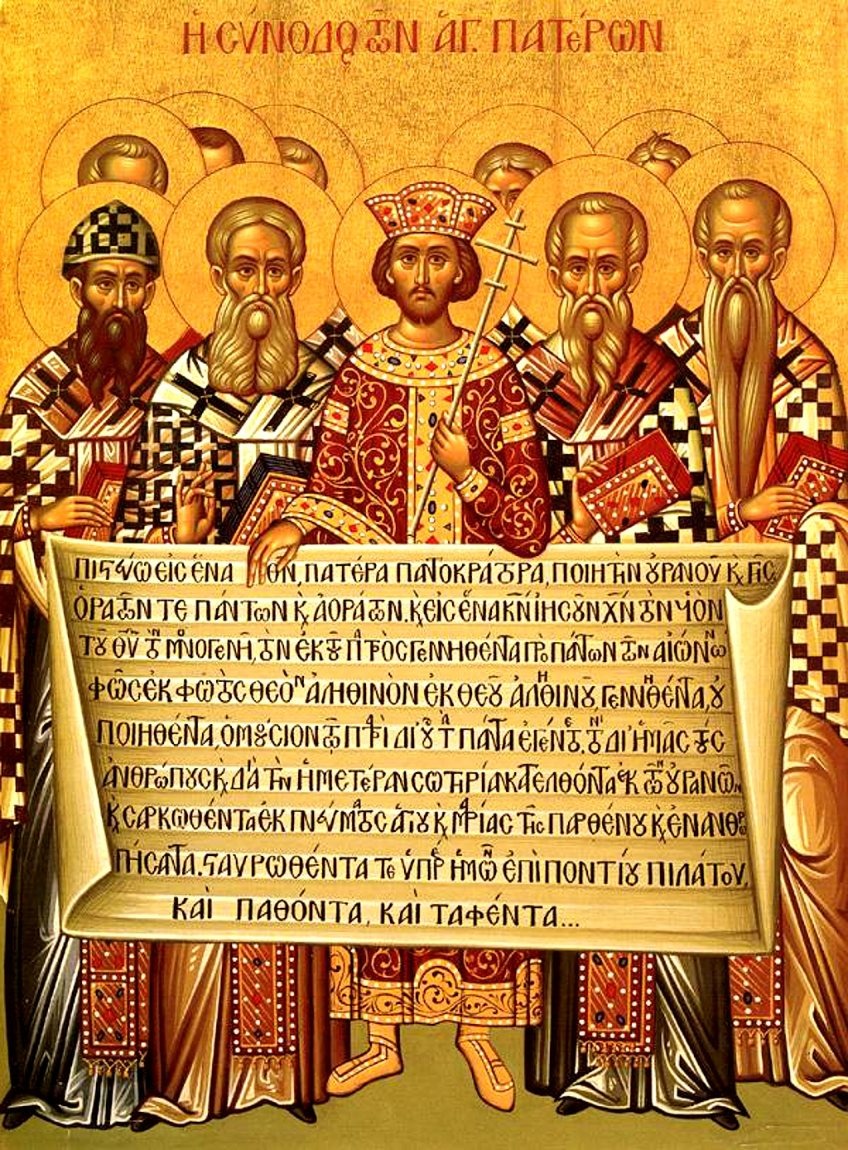 | Icon of the First Council of Nicaea with the text of the CreedGreek Orthodox icon, unknown painter · source | Public domain |
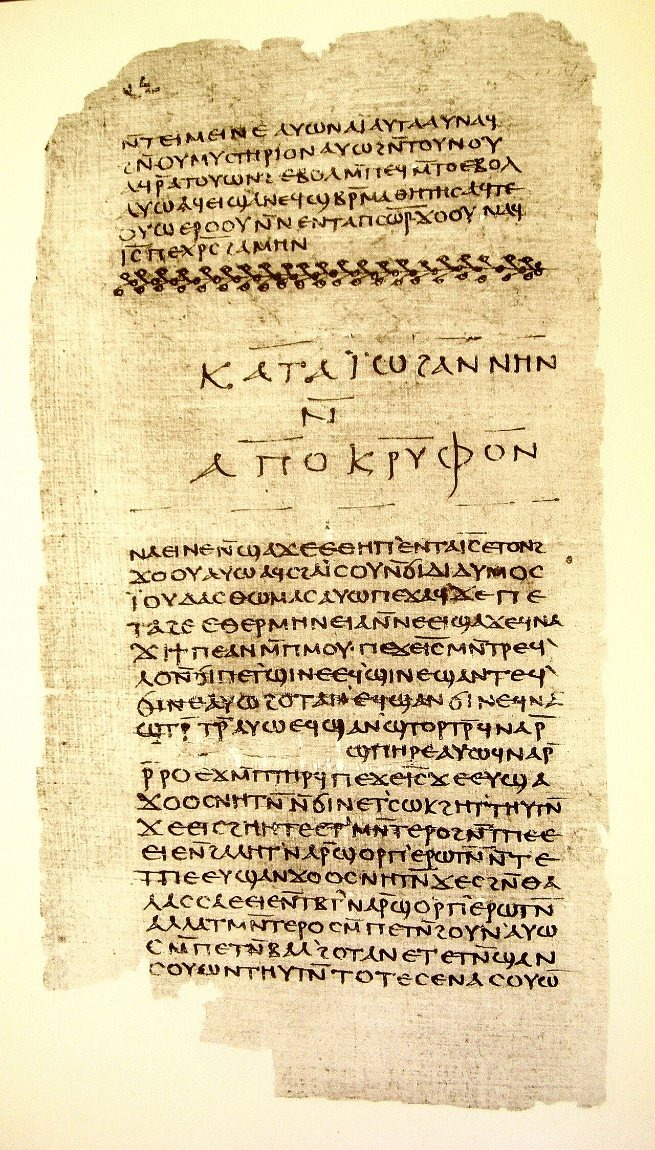 | Nag Hammadi Codex II, folio 32, fourth centuryCoptic Museum, Cairo · source | Public domain |
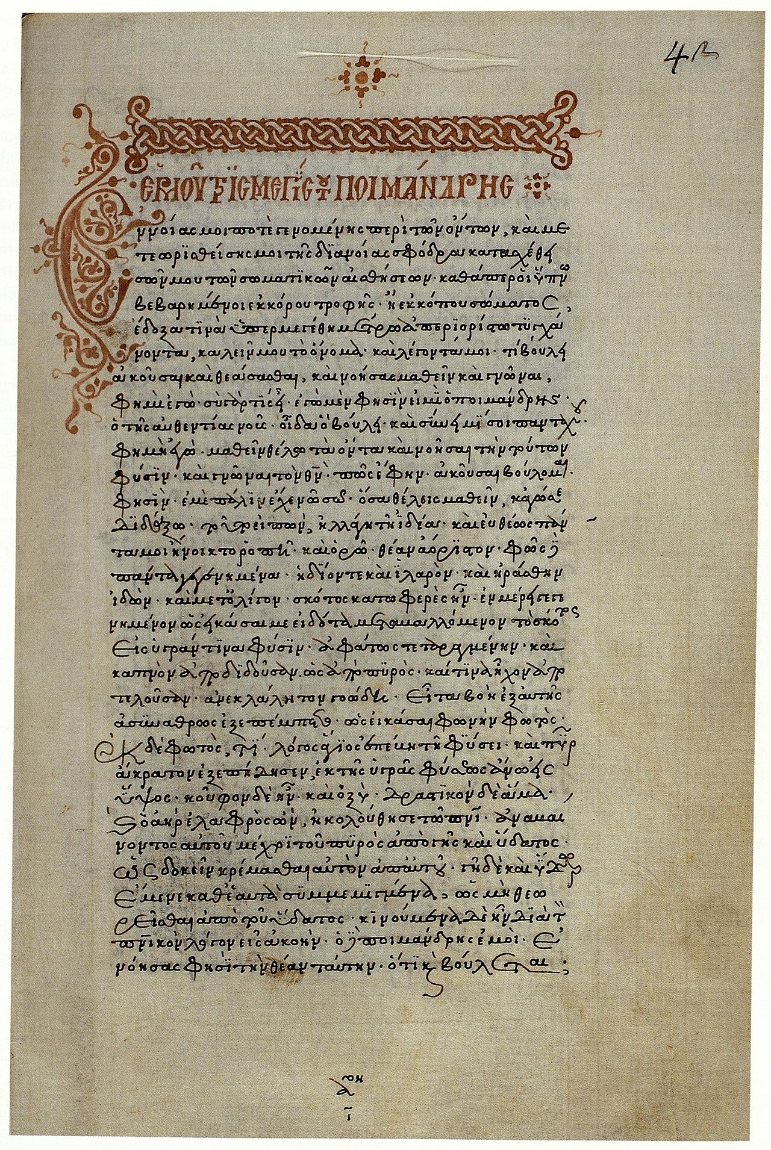 | Opening of the Poimandres in a Greek manuscriptBiblioteca Nazionale Marciana, Venice, Gr. Z. 263 · source | Public domain |
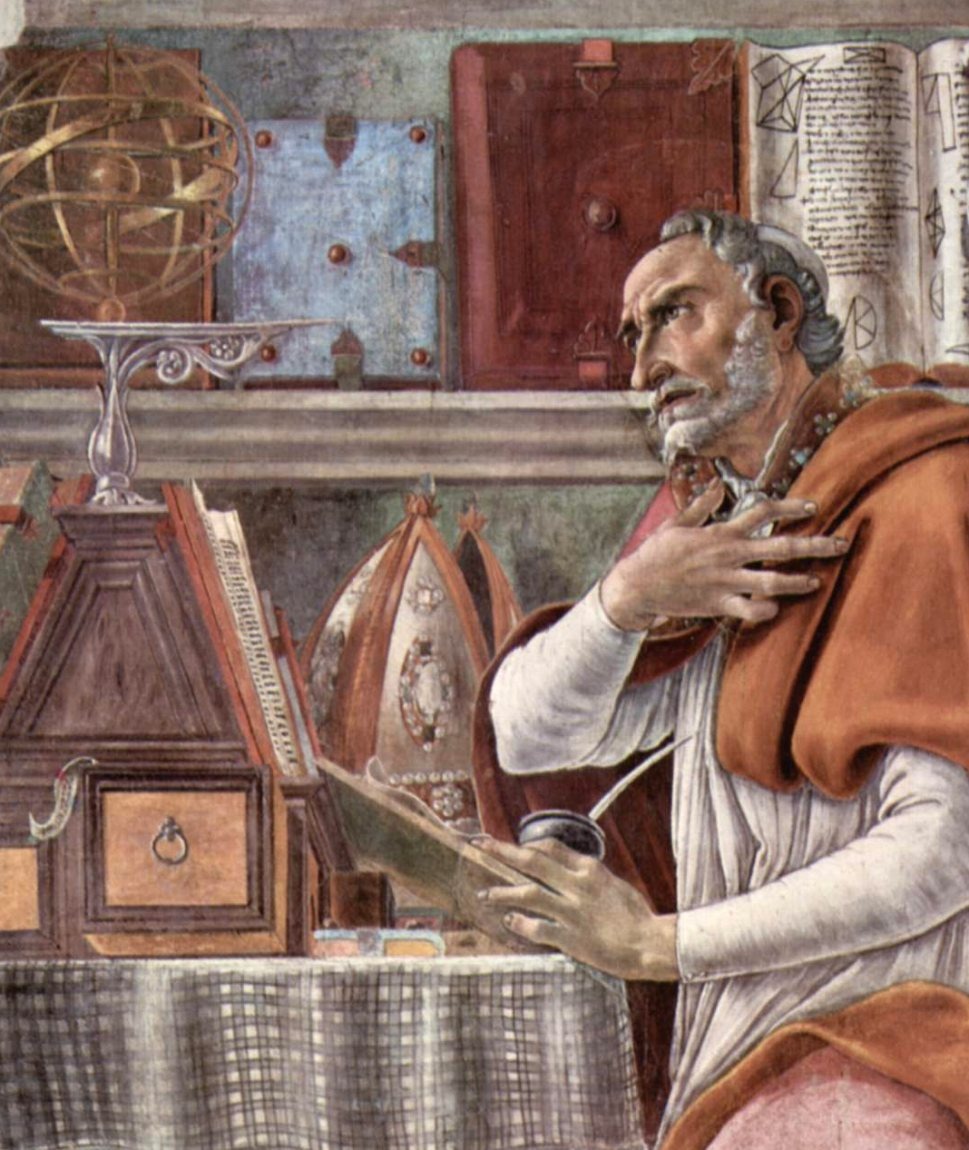 | Saint Augustine in His Study, c. 1480Sandro Botticelli. Church of Ognissanti, Florence · source | Public domain |
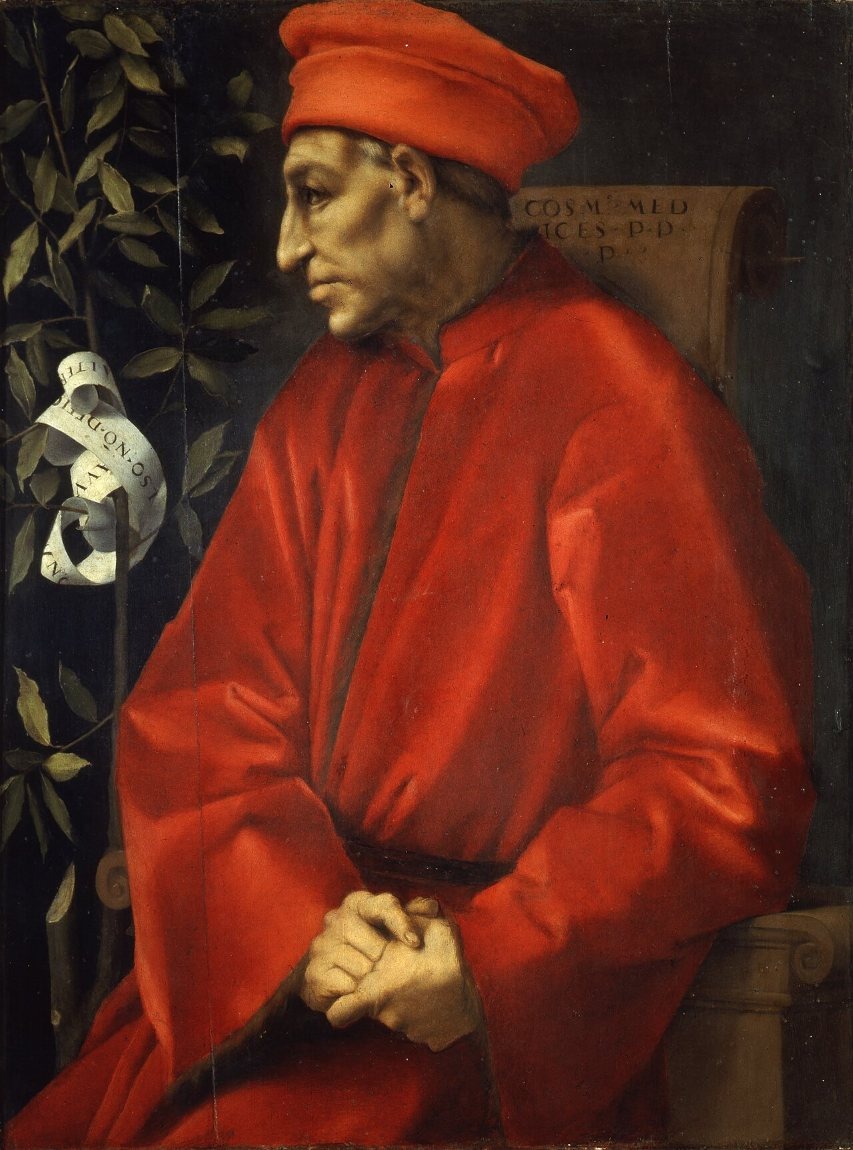 | Cosimo de’ Medici the Elder, posthumous portrait, 1519–20Jacopo Pontormo. Uffizi Gallery, Florence · source | Public domain |
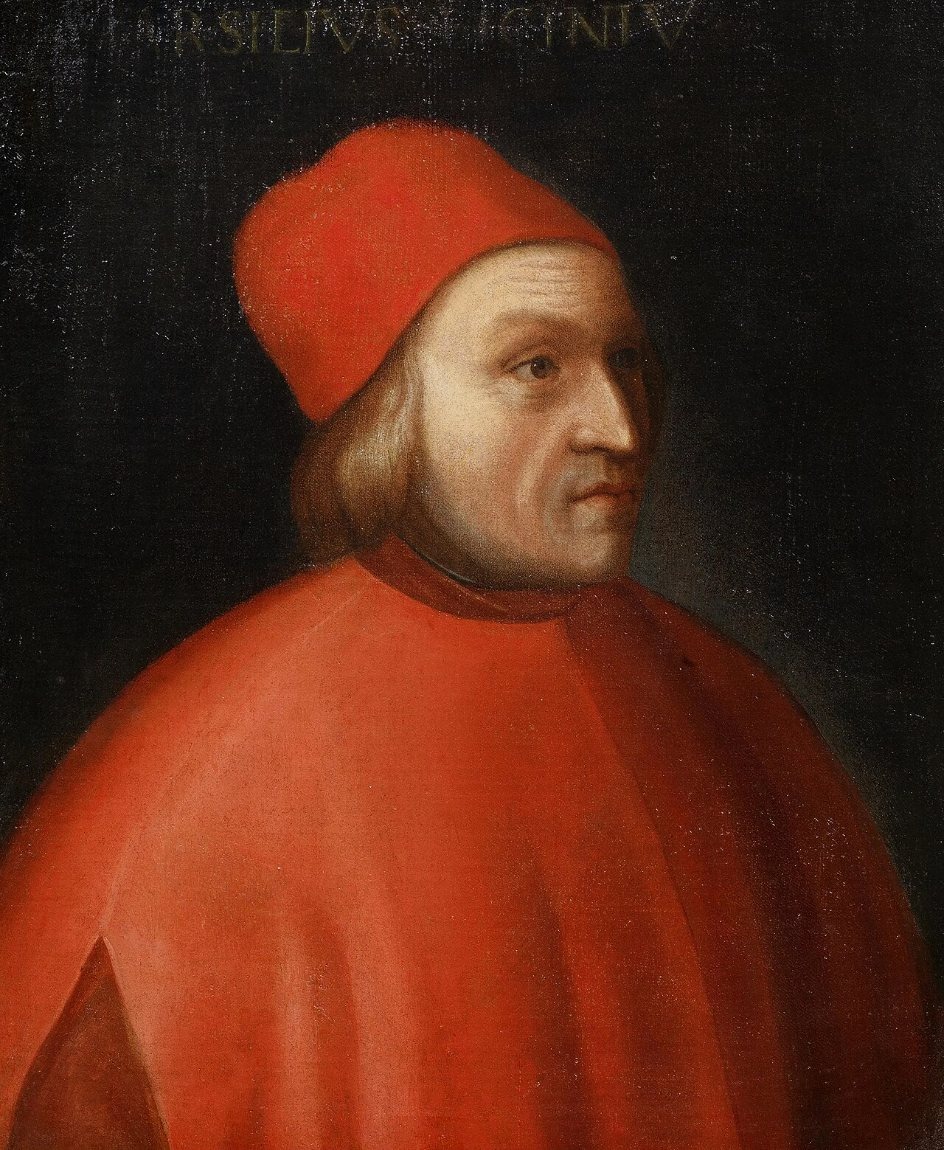 | Portrait of Marsilio Ficino, c. 1552–68Attributed to Cristofano dell’Altissimo · source | Public domain |
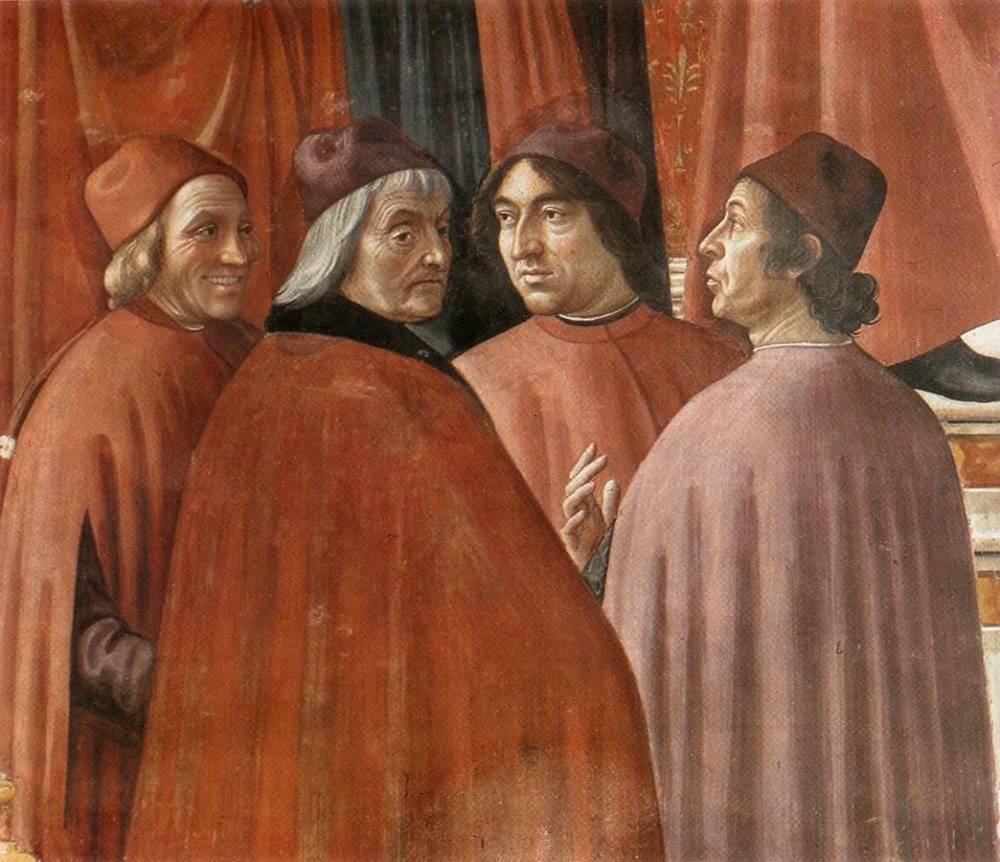 | Marsilio Ficino, Cristoforo Landino, Angelo Poliziano and Demetrios Chalkondyles, detail of the Annunciation to Zacharias, 1486–90Domenico Ghirlandaio. Tornabuoni Chapel, Santa Maria Novella, Florence · source | Public domain |
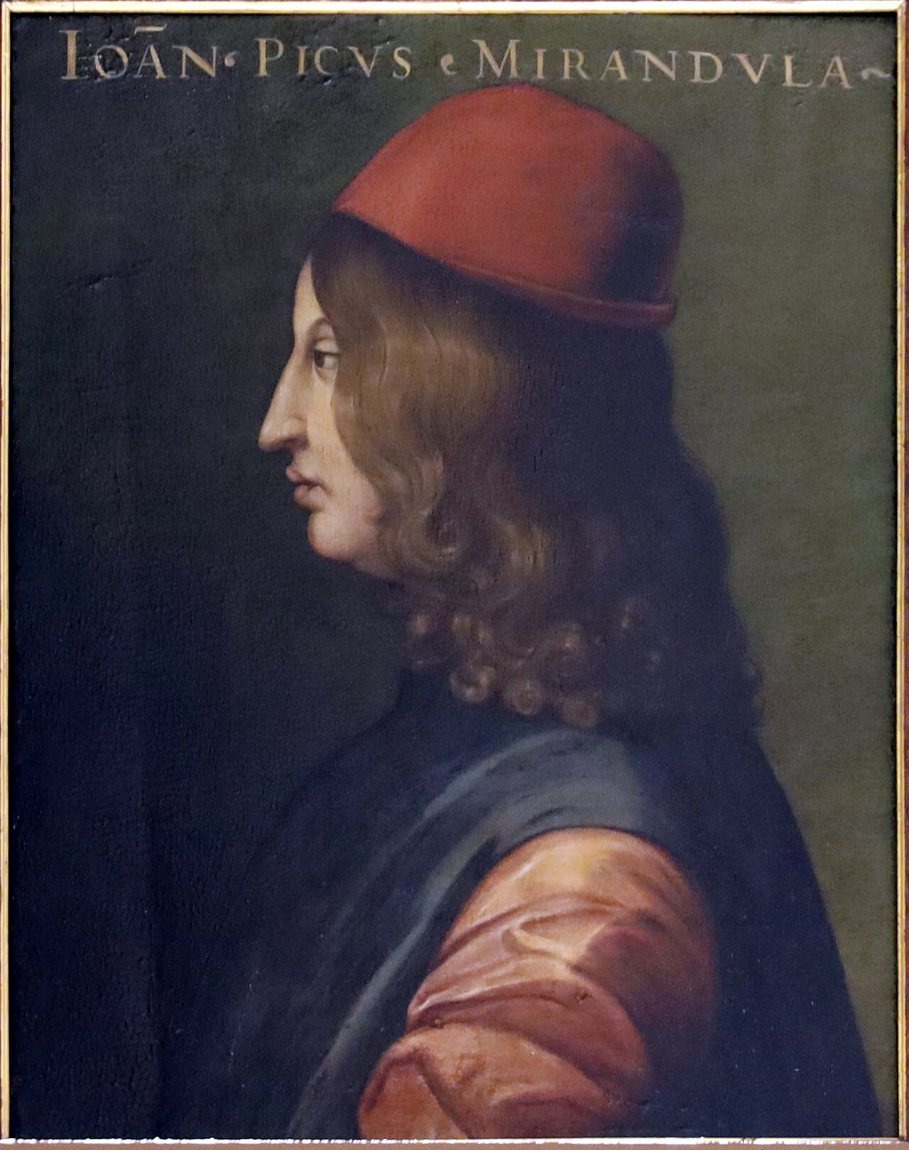 | Giovanni Pico della Mirandola, 1552–68Cristofano dell’Altissimo. Uffizi Gallery, Florence (Serie Gioviana). Photograph by Fabrizio Garrisi · source | CC0 |
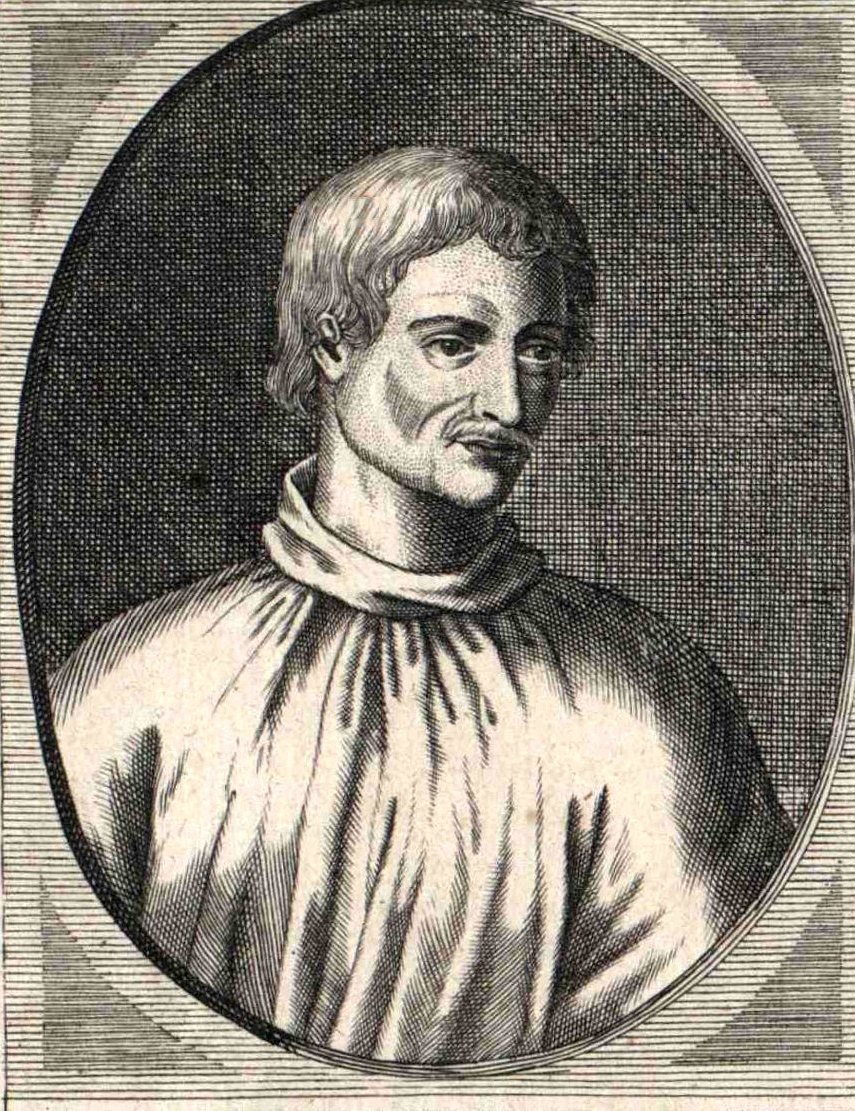 | Giordano Bruno, engraved portraitJohann Georg Mentzel, early eighteenth century. Bildarchiv Austria · source | Public domain |
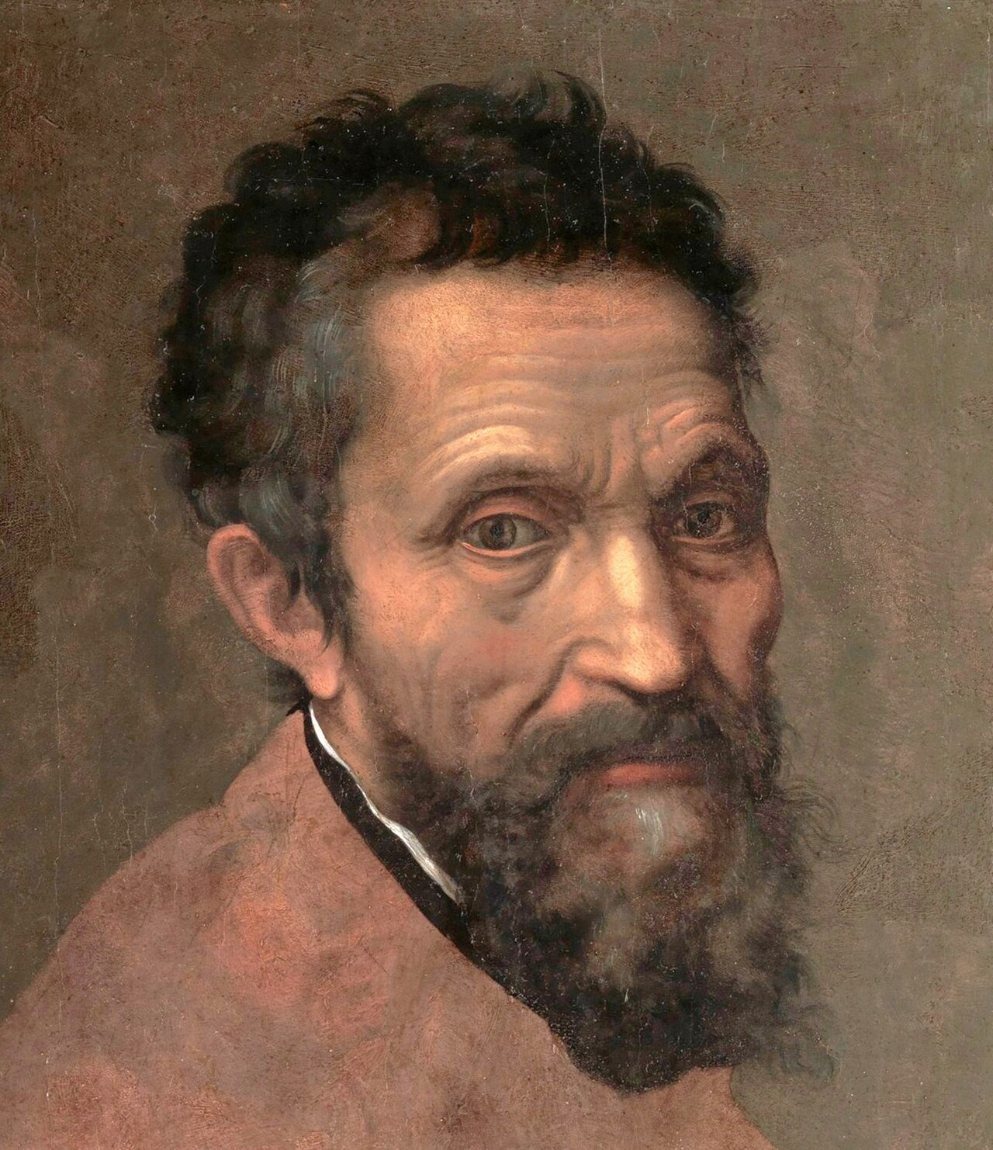 | Portrait of Michelangelo, c. 1545 (detail)Attributed to Daniele da Volterra. The Metropolitan Museum of Art · source | Public domain |
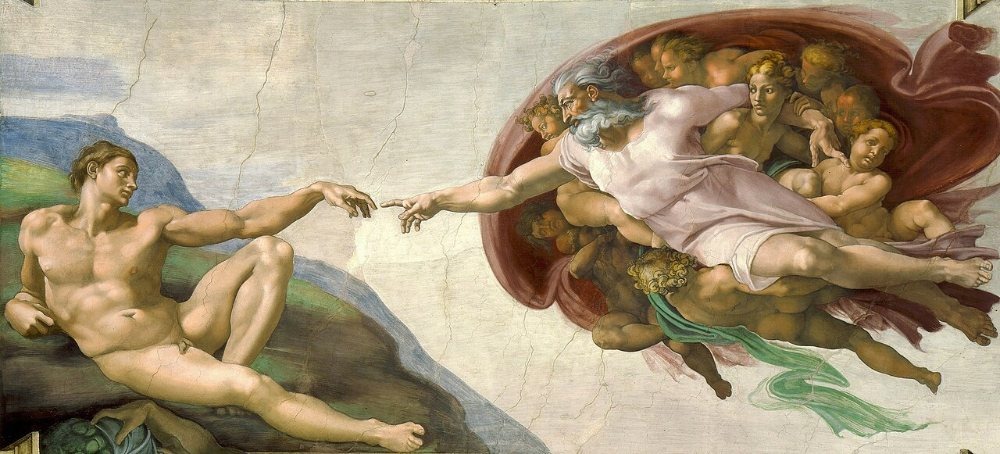 | The Creation of Adam, Sistine Chapel ceiling, c. 1511–12Michelangelo Buonarroti. Vatican City · source | Public domain |
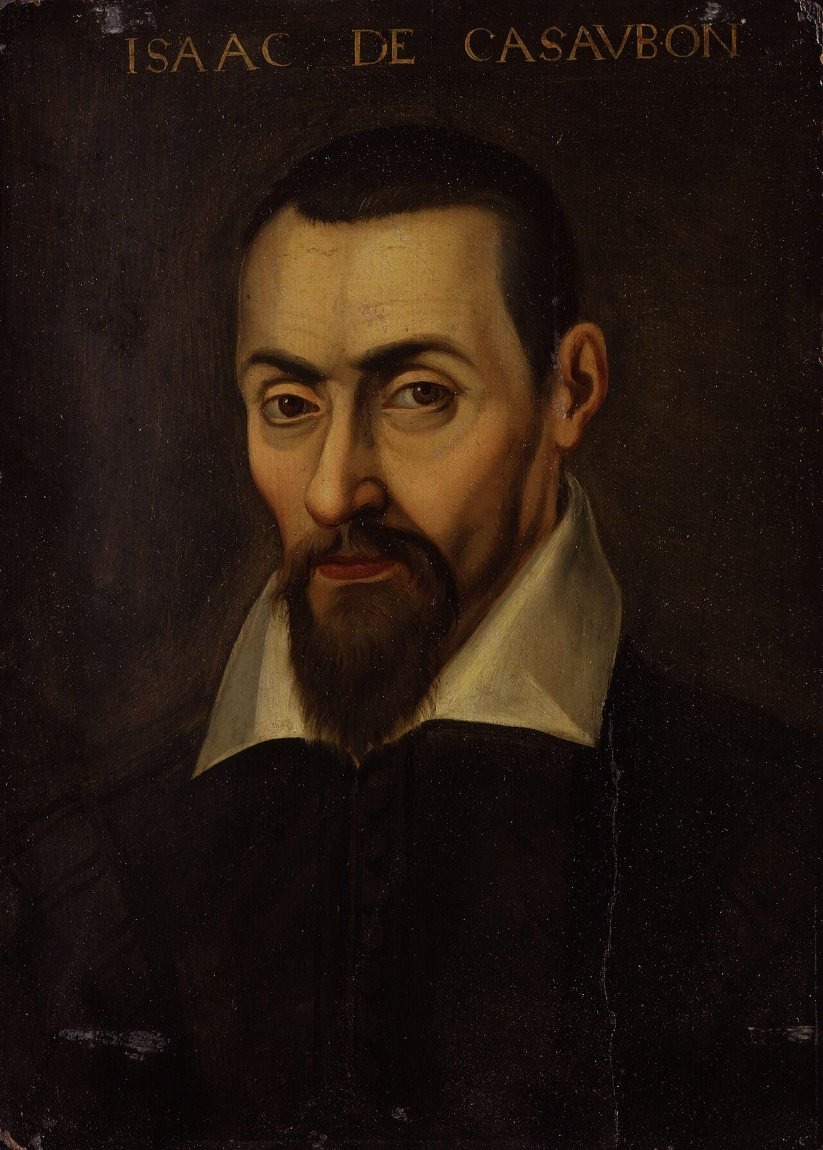 | Isaac CasaubonUnknown artist. National Portrait Gallery, London · source | Public domain |
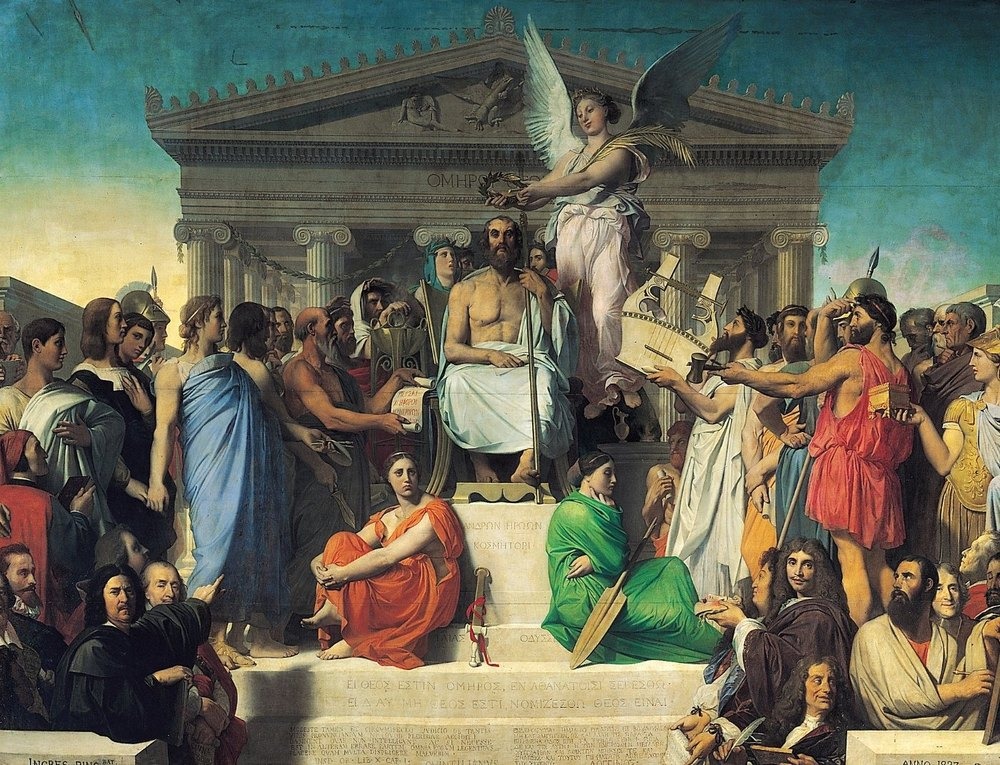 | The Apotheosis of Homer, 1827Jean-Auguste-Dominique Ingres. Musée du Louvre, Paris · source | Public domain |
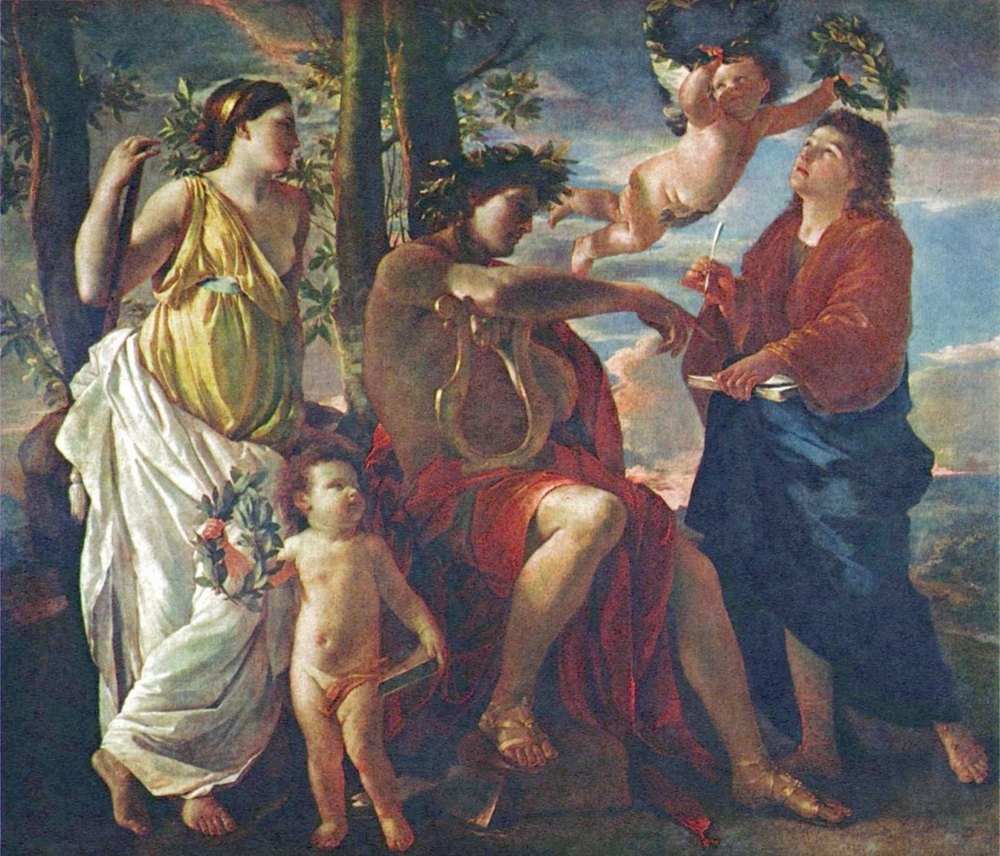 | The Inspiration of the Poet, c. 1629–30Nicolas Poussin. Musée du Louvre, Paris · source | Public domain |
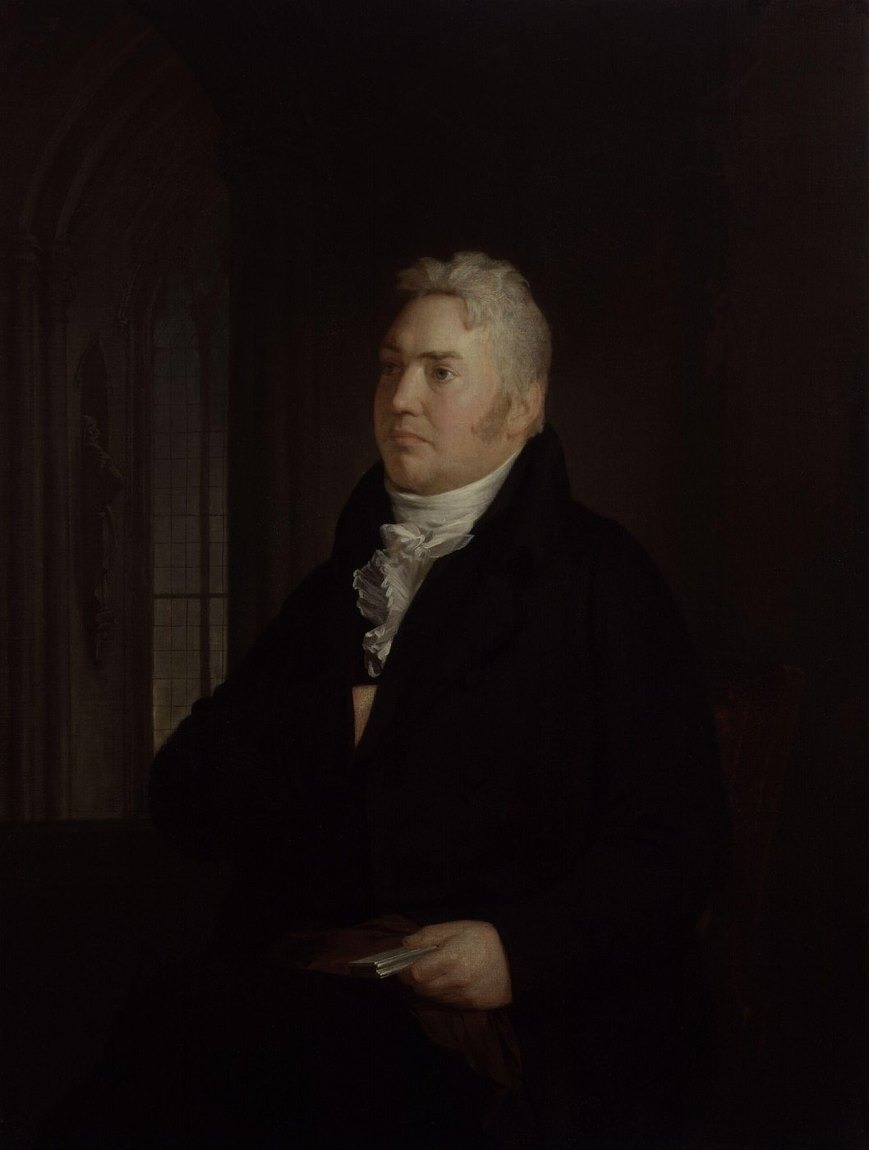 | Samuel Taylor Coleridge, 1814Washington Allston. National Portrait Gallery, London · source | Public domain |
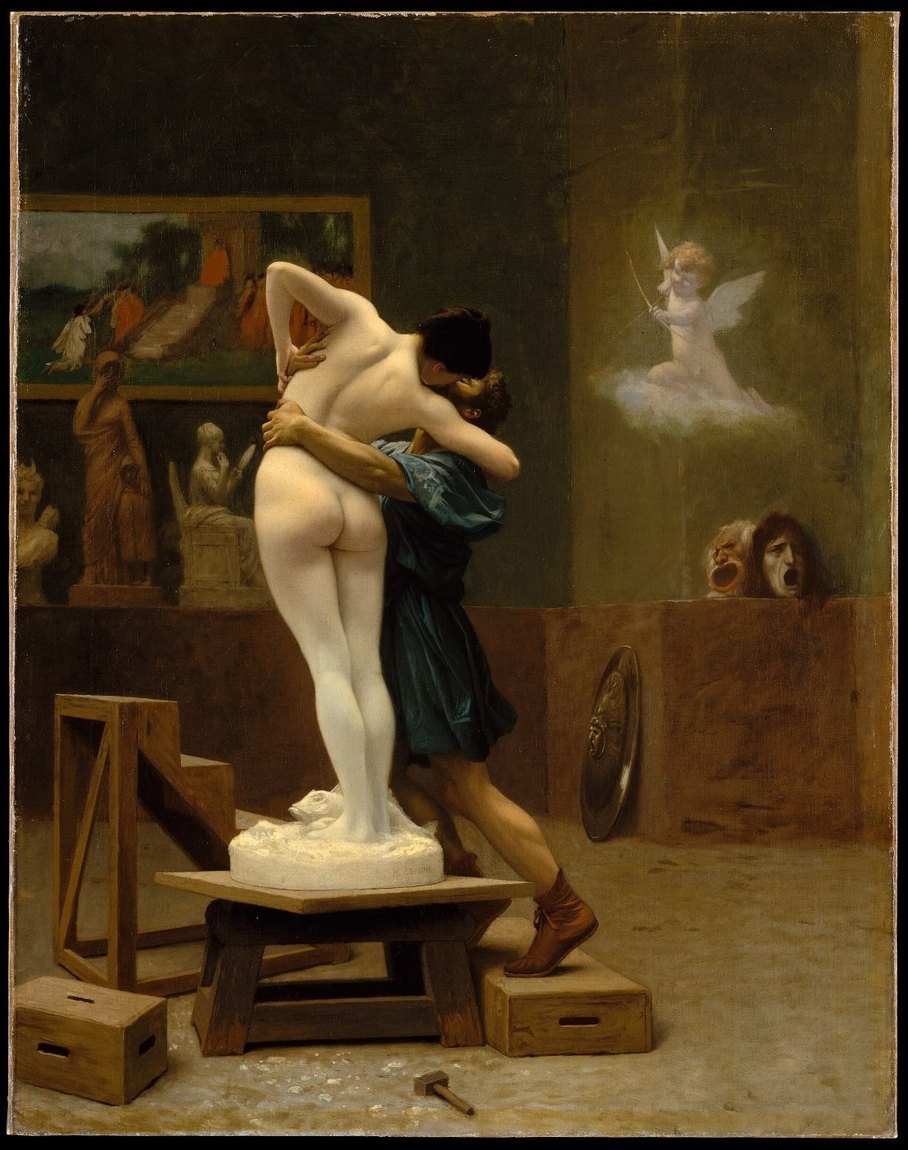 | Pygmalion and Galatea, c. 1890Jean-Léon Gérôme. The Metropolitan Museum of Art, New York · source | CC0 |
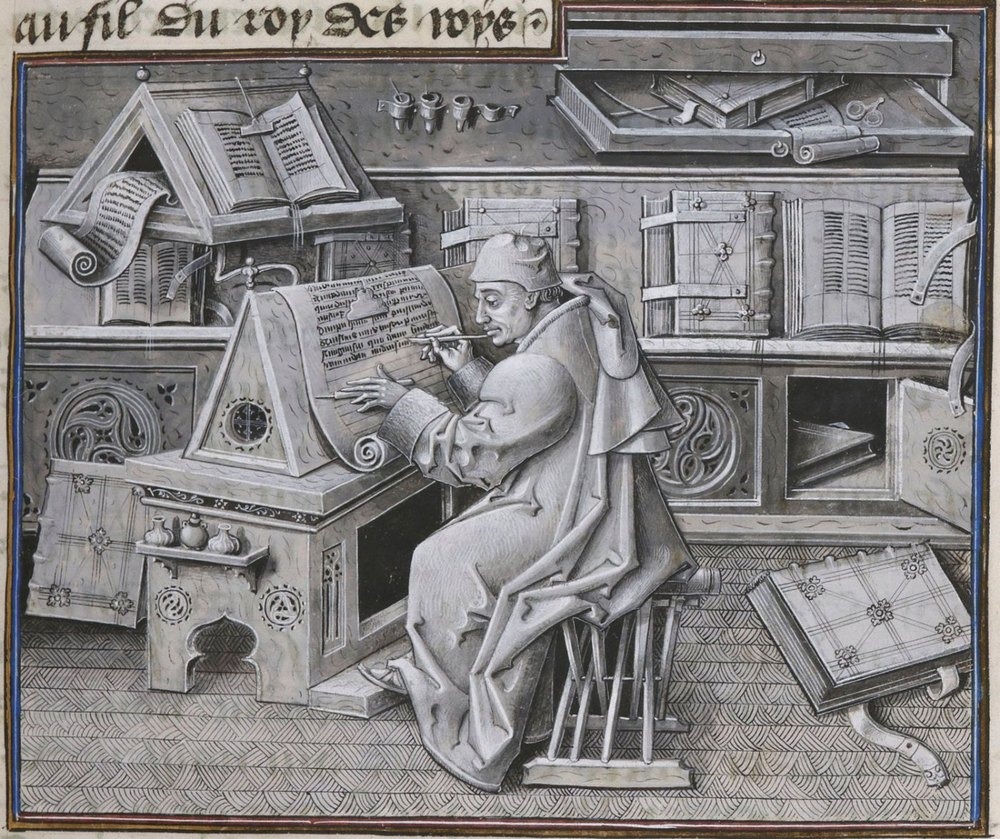 | Jean Miélot at his desk, after 1456Jean Le Tavernier. Royal Library of Belgium, Brussels · source | Public domain |
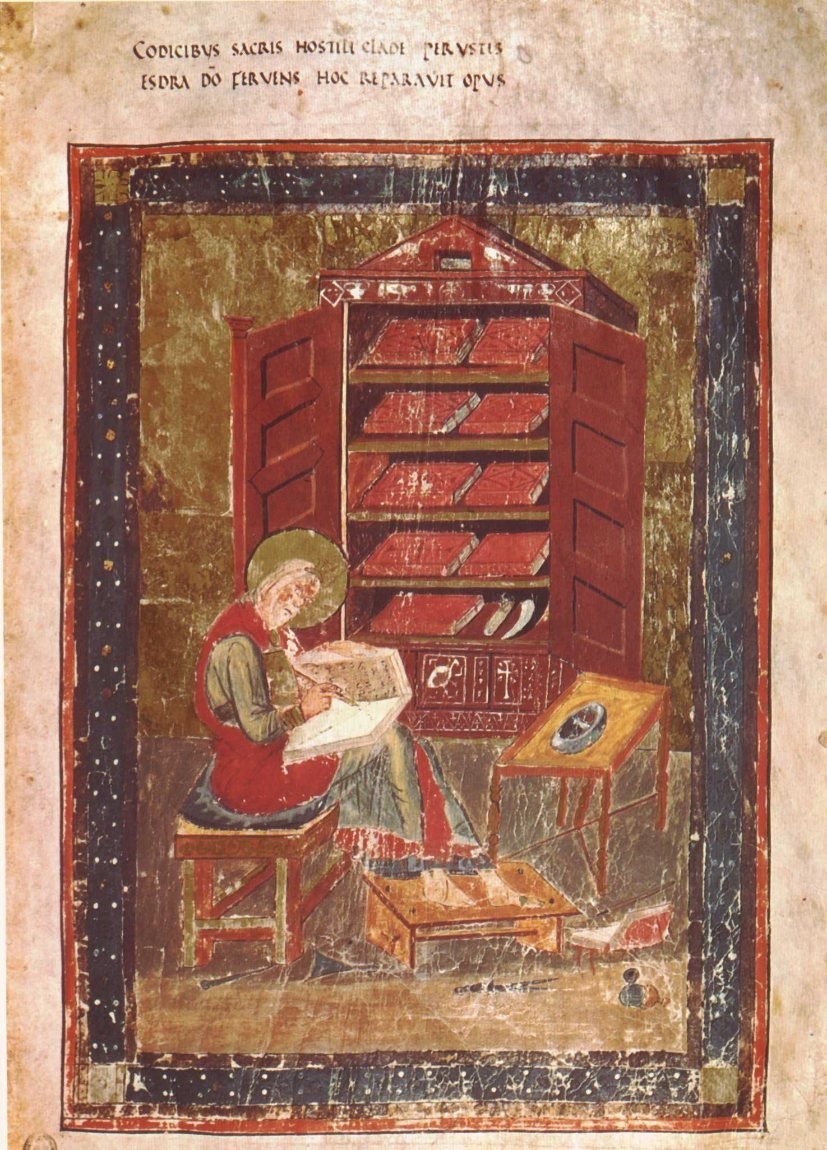 | The scribe Ezra, Codex Amiatinus, before 716Monastery of Wearmouth-Jarrow, Northumbria. Biblioteca Medicea Laurenziana, Florence · source | Public domain |
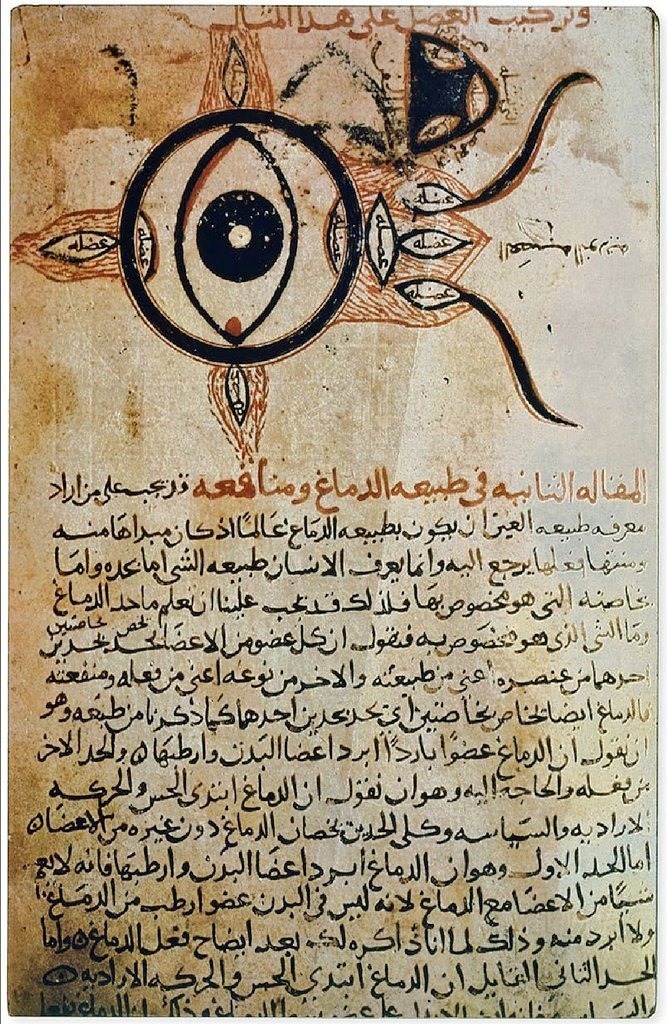 | Diagram of the eye, Ten Treatises on the Eye, twelfth-century copyAfter Hunayn ibn Ishaq. Arabic manuscript · source | Public domain |
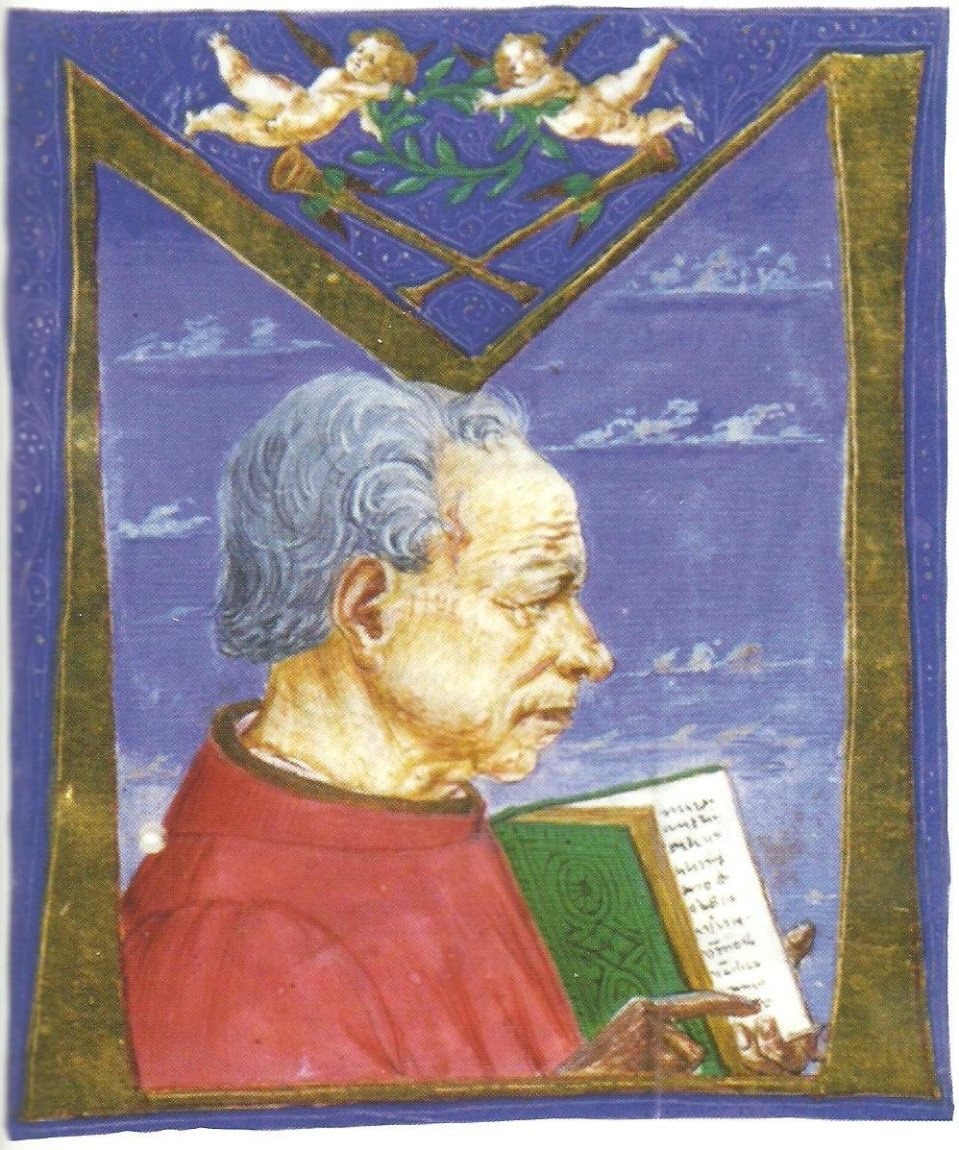 | Poggio Bracciolini, fifteenth centuryMiniature. Biblioteca Apostolica Vaticana, Urb. lat. 224 · source | Public domain |
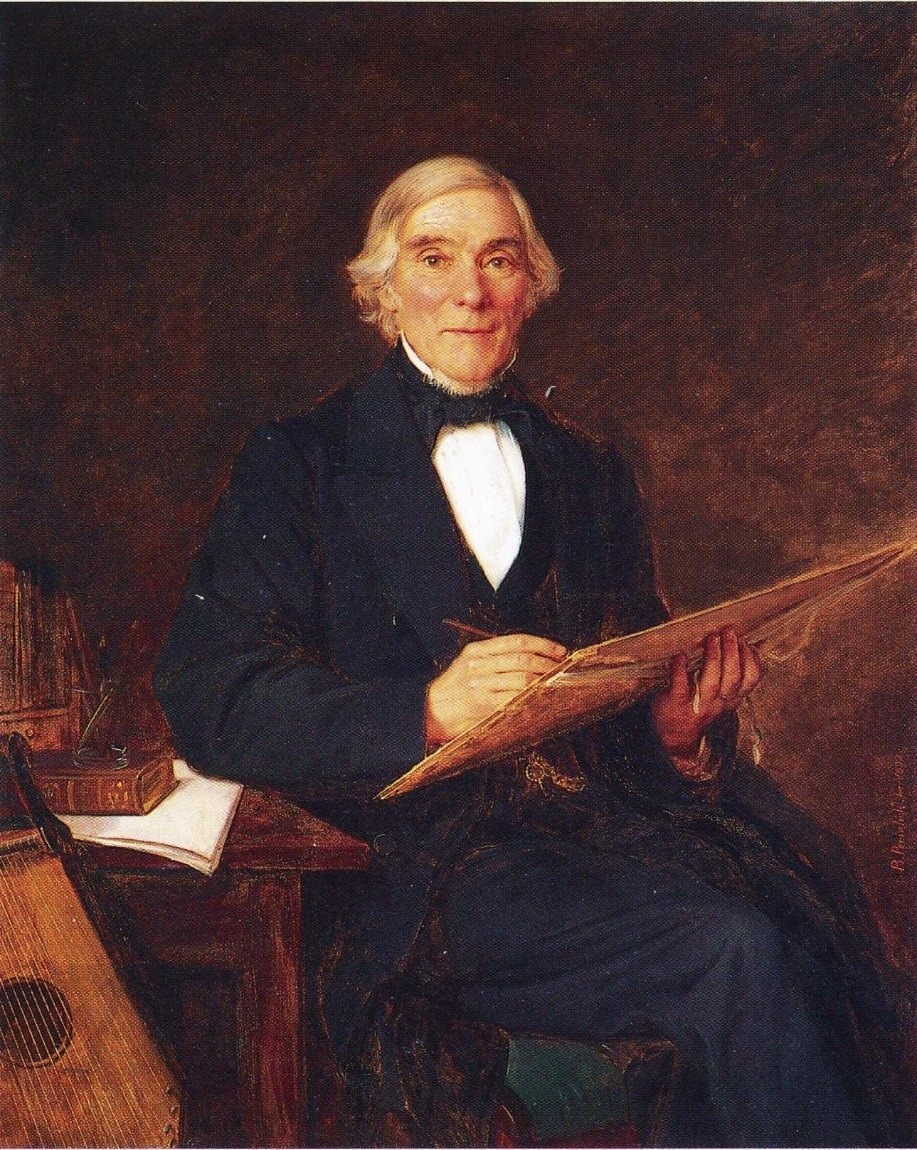 | Elias Lönnrot, 1872Bernhard Reinhold · source | Public domain |
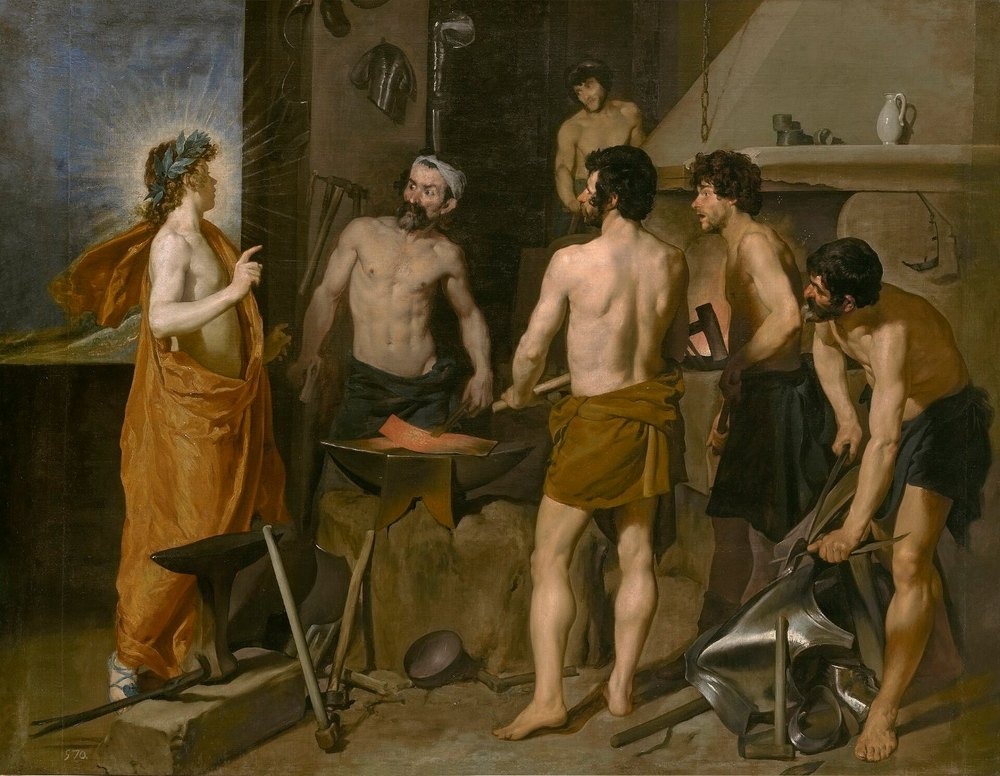 | The Forge of Vulcan, 1630Diego Velázquez. Museo del Prado, Madrid · source | Public domain |
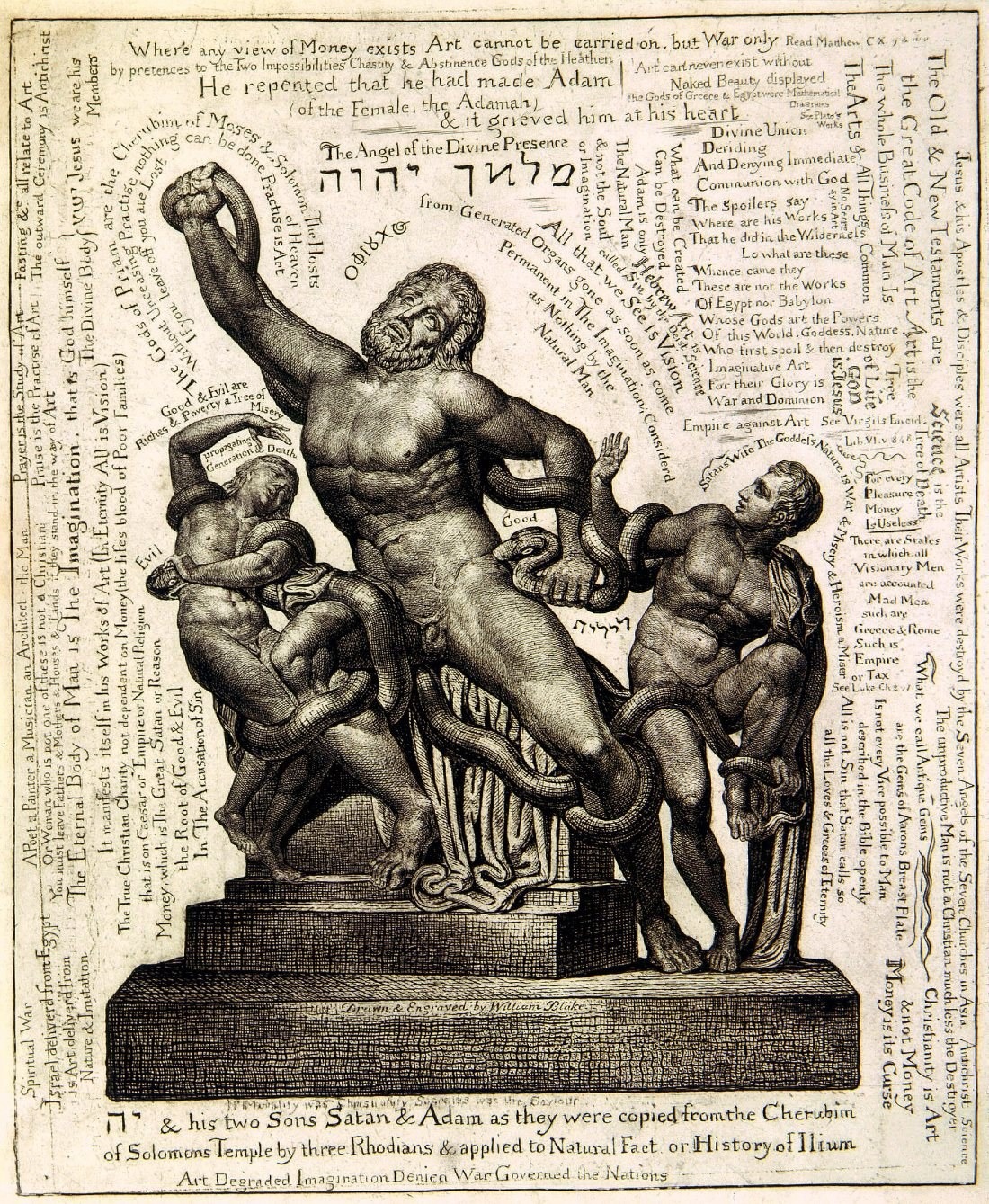 | Laocoön, c. 1826–27William Blake. Engraving · source | Public domain |
 | All Religions are One, Principle 7th, c. 1788William Blake. Relief etching · source | Public domain |
 | All Religions are One, frontispiece, c. 1788William Blake. Relief etching. Huntington Library, San Marino · source | Public domain |
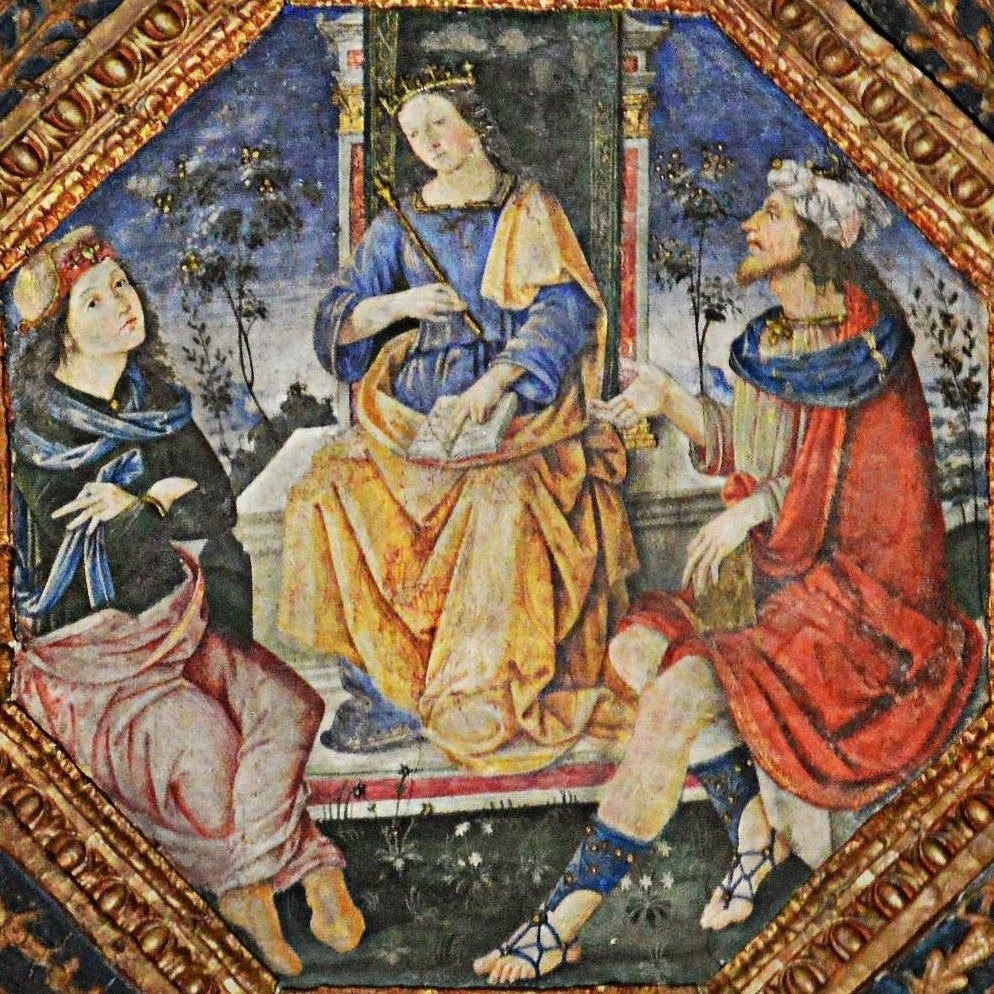 | Isis between Hermes Trismegistus and Moses, 1492–94Pinturicchio. Sala dei Santi, Borgia Apartments, Vatican · source | Public domain |
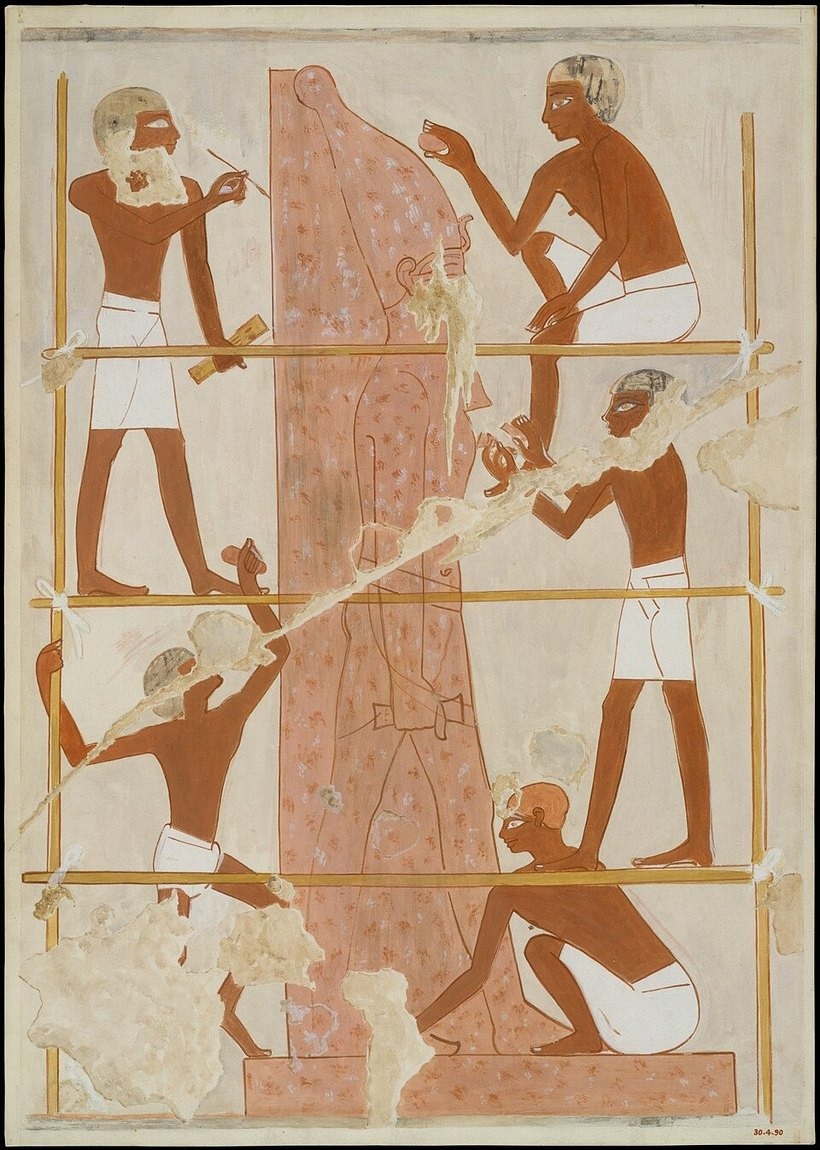 | Sculptors at Work, tomb of Rekhmire, Thebes, c. 1479–1425 BC (facsimile)Nina de Garis Davies. The Metropolitan Museum of Art · source | CC0 (Met Open Access) |
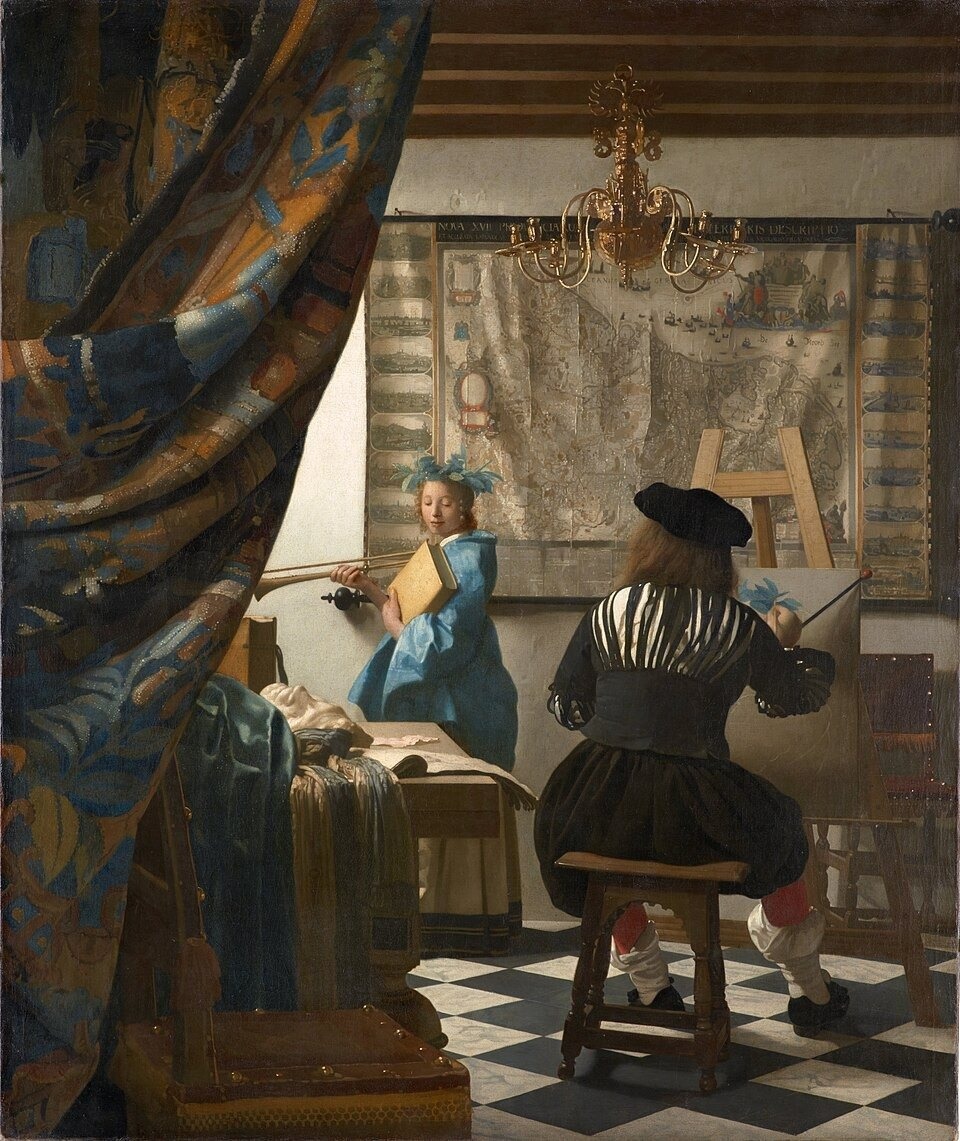 | The Art of Painting, c. 1666–68Johannes Vermeer. Kunsthistorisches Museum, Vienna · source | Public domain |
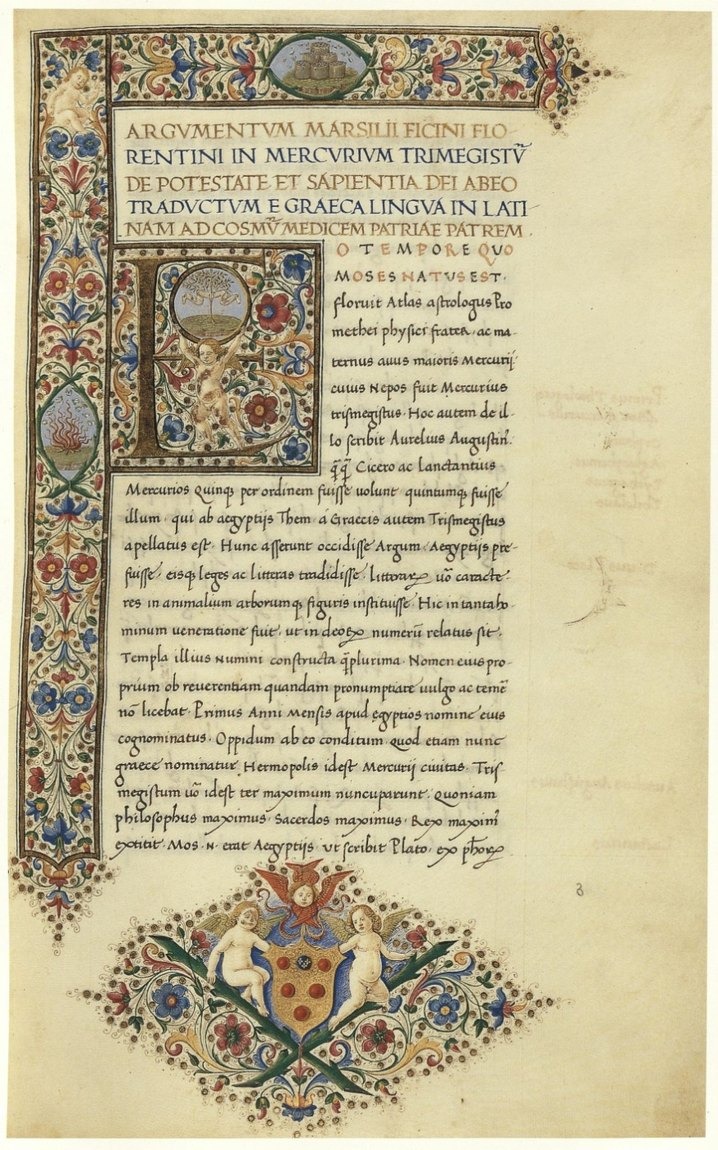 | Ficino’s Pimander, manuscript dedicated to Lorenzo de’ MediciBiblioteca Medicea Laurenziana, Florence, Plut. 21.8 · source | Public domain |
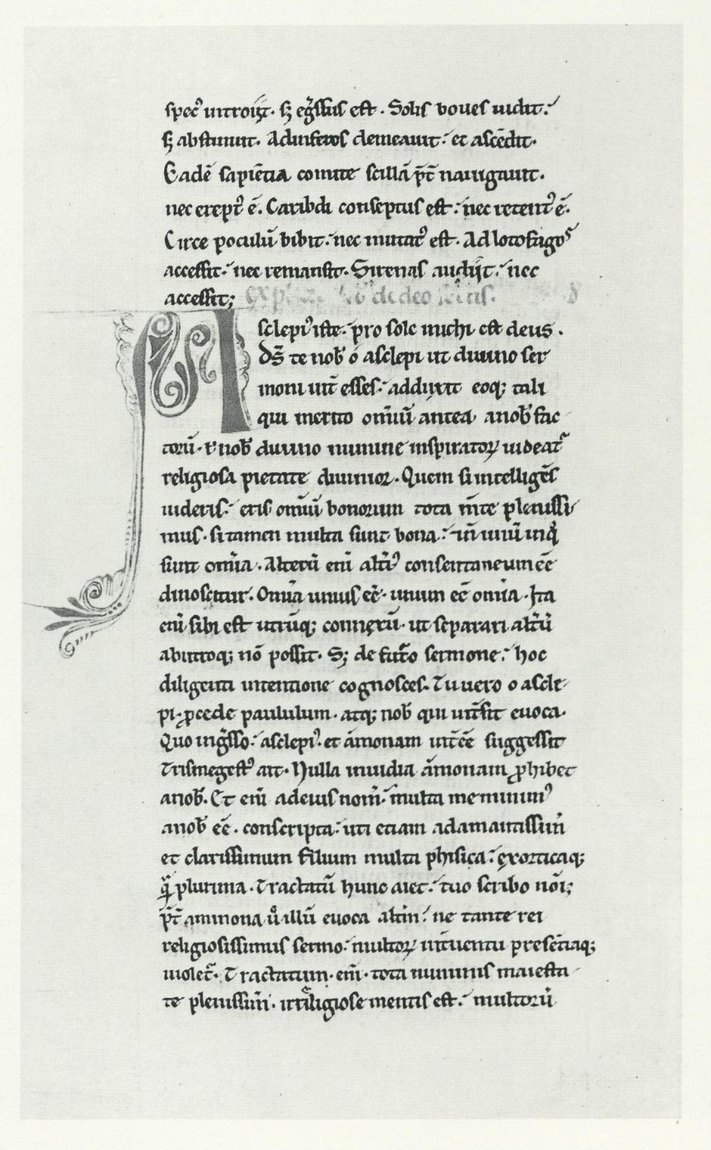 | The opening of the Asclepius, late twelfth centuryBiblioteca Medicea Laurenziana, Florence, San Marco 341 · source | Public domain |
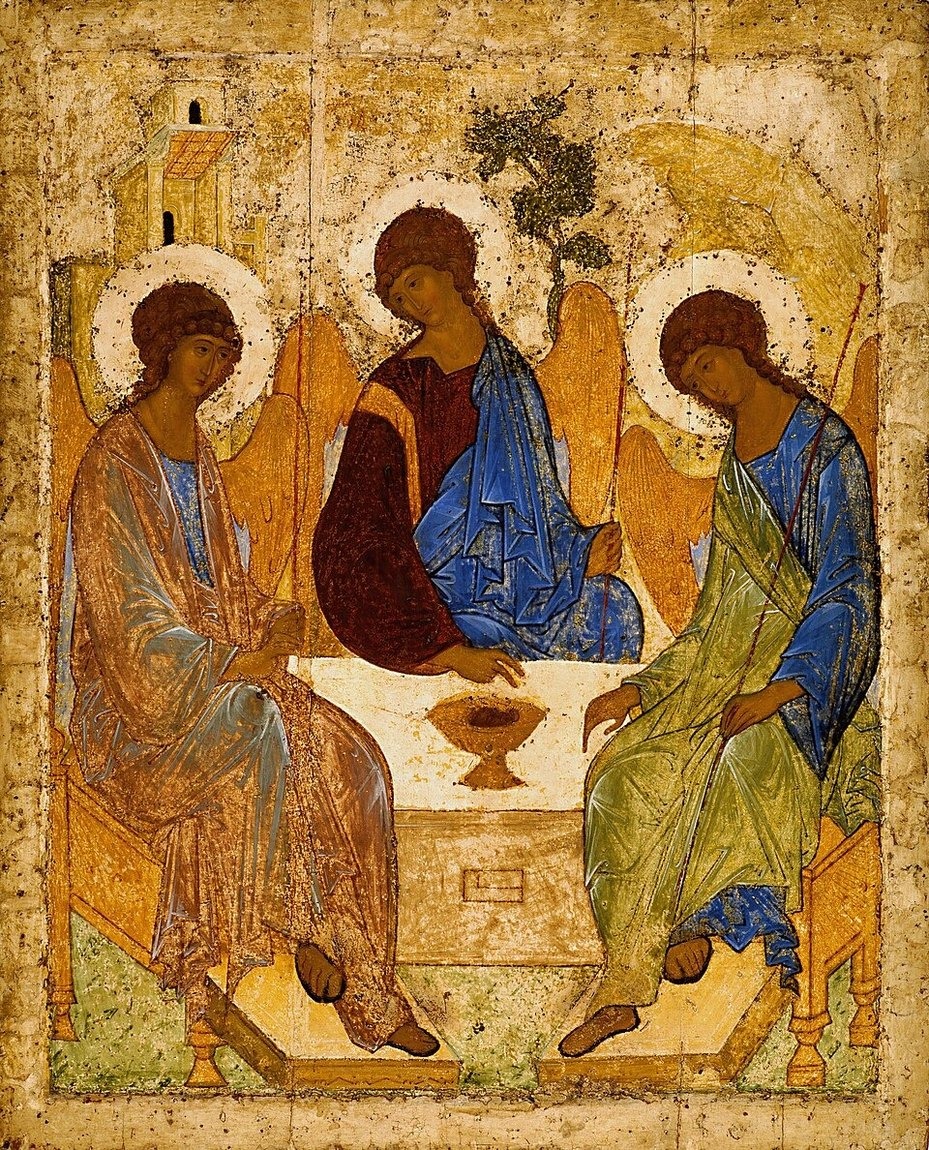 | The Trinity, c. 1425–27Andrei Rublev. Tretyakov Gallery, Moscow · source | Public domain |
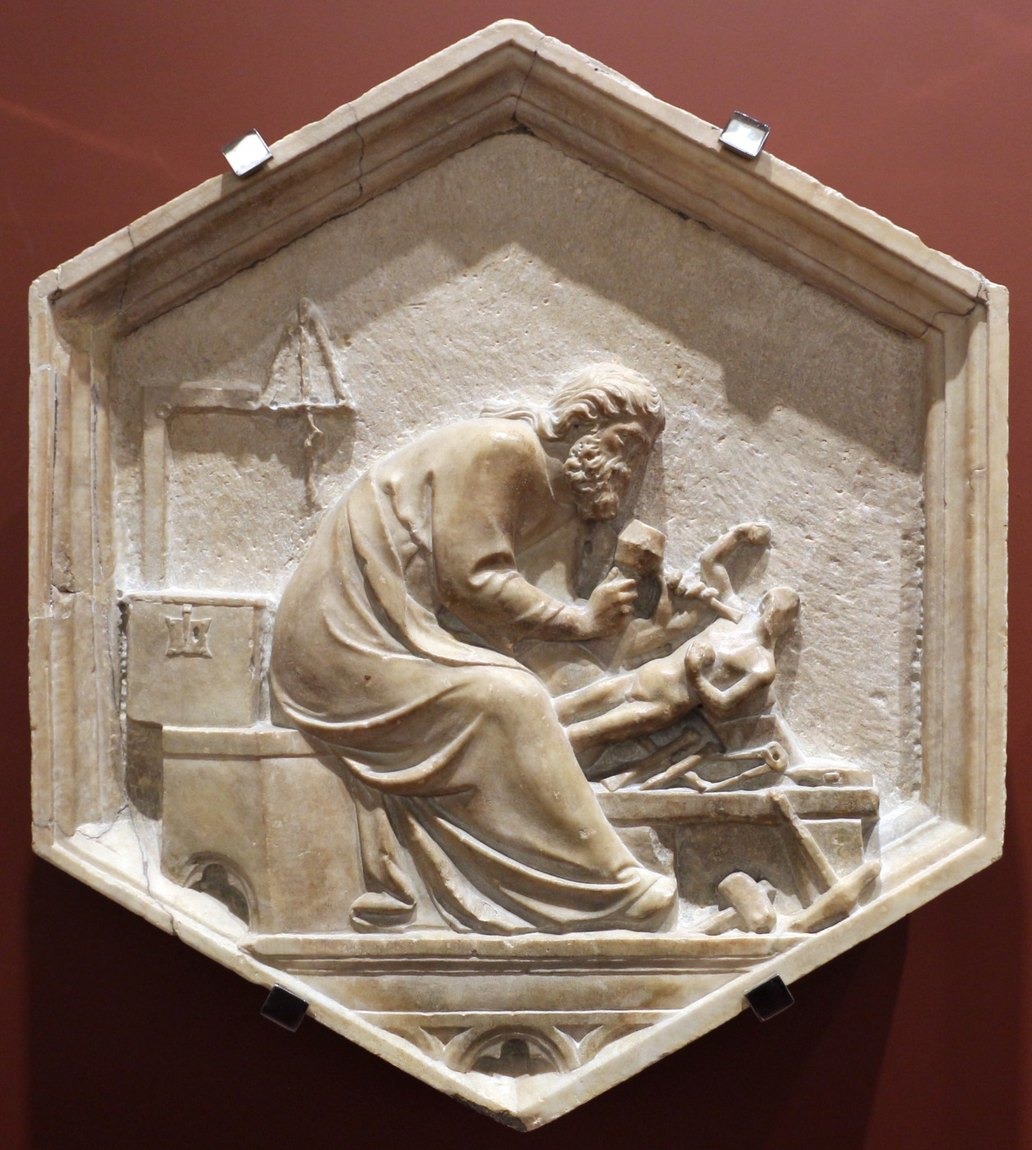 | Sculpture, relief from the bell tower of Florence Cathedral, 1348–50Andrea Pisano. Photograph by Sailko · source | CC BY 3.0 |
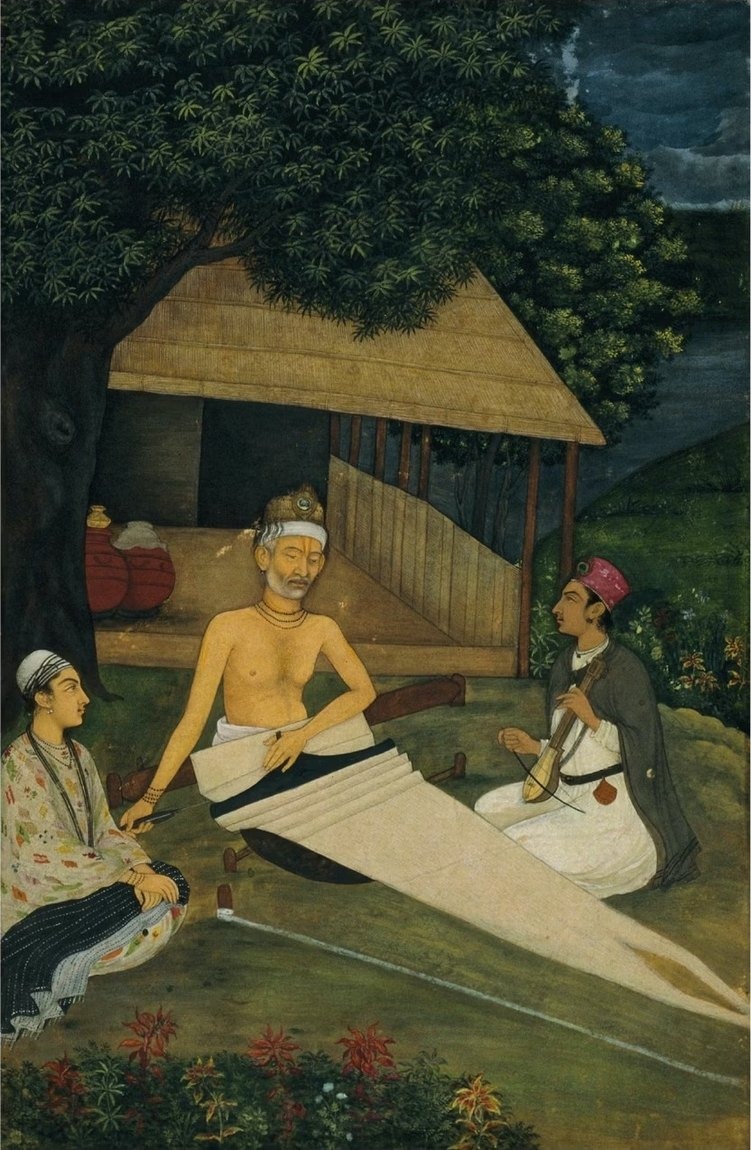 | Kabir weaving, with two attendants, early eighteenth centuryMughal painting, unknown artist. British Museum, London (1920,0917,0.29) · source | Public domain |
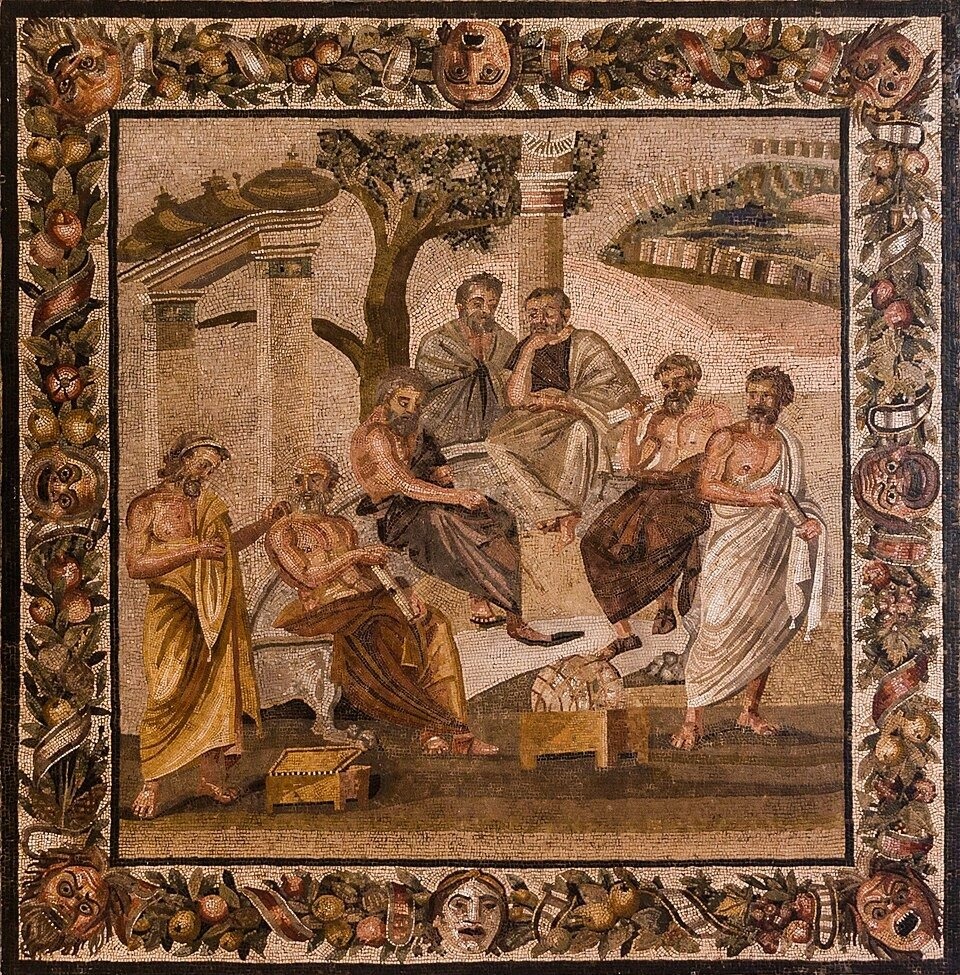 | Plato’s Academy, Roman mosaic from Pompeii, first century BCMuseo Archeologico Nazionale, Naples (inv. 124545) · source | Public domain |
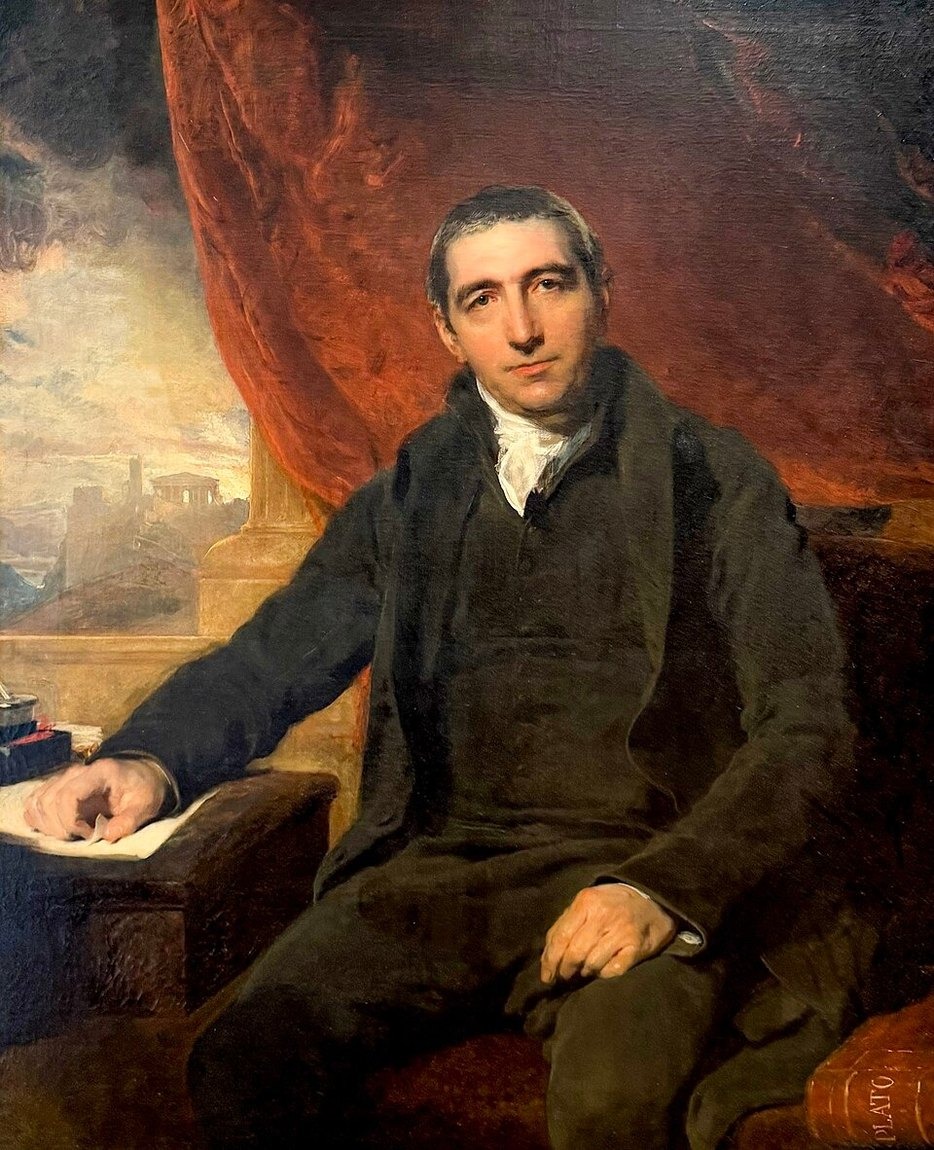 | Thomas Taylor, c. 1812Sir Thomas Lawrence · source | Public domain |
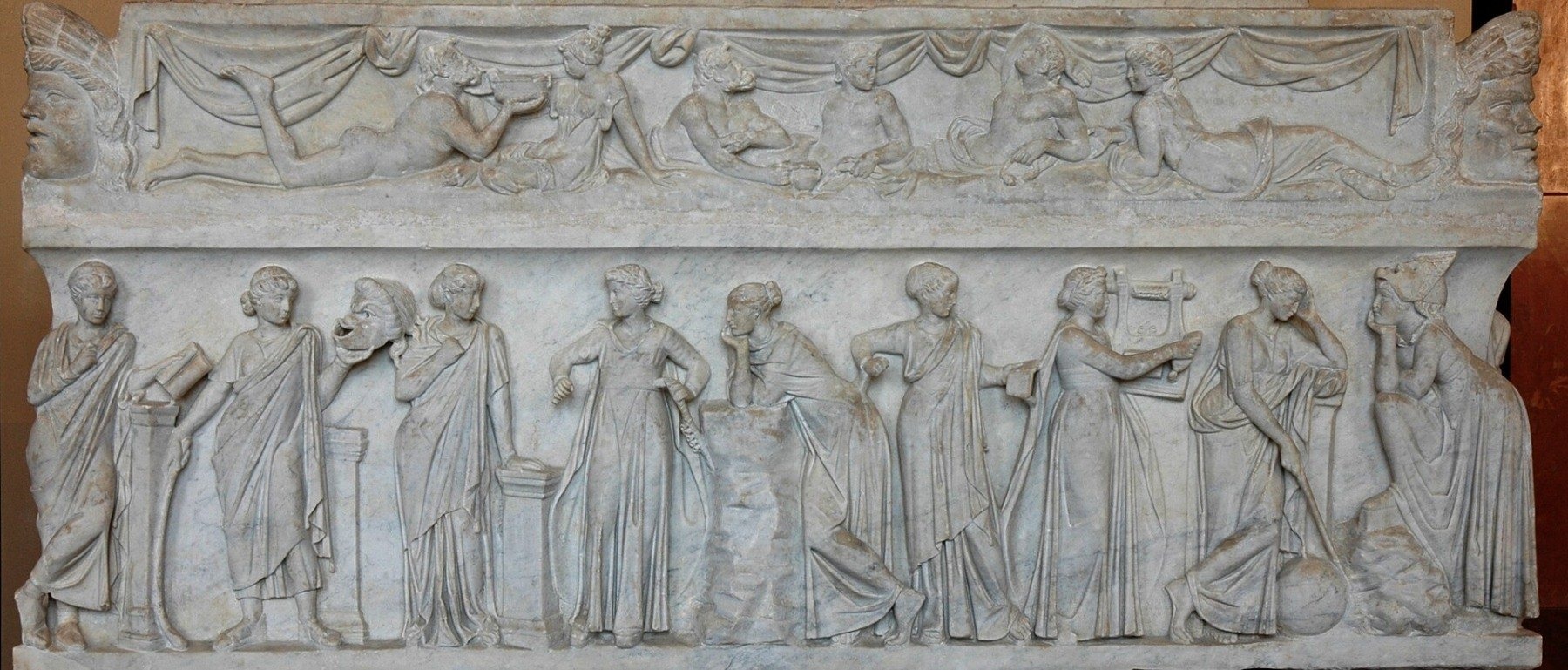 | The Muses Sarcophagus, first half of the second century ADRoman. Musée du Louvre, Paris (MR 880) · source | Public domain |
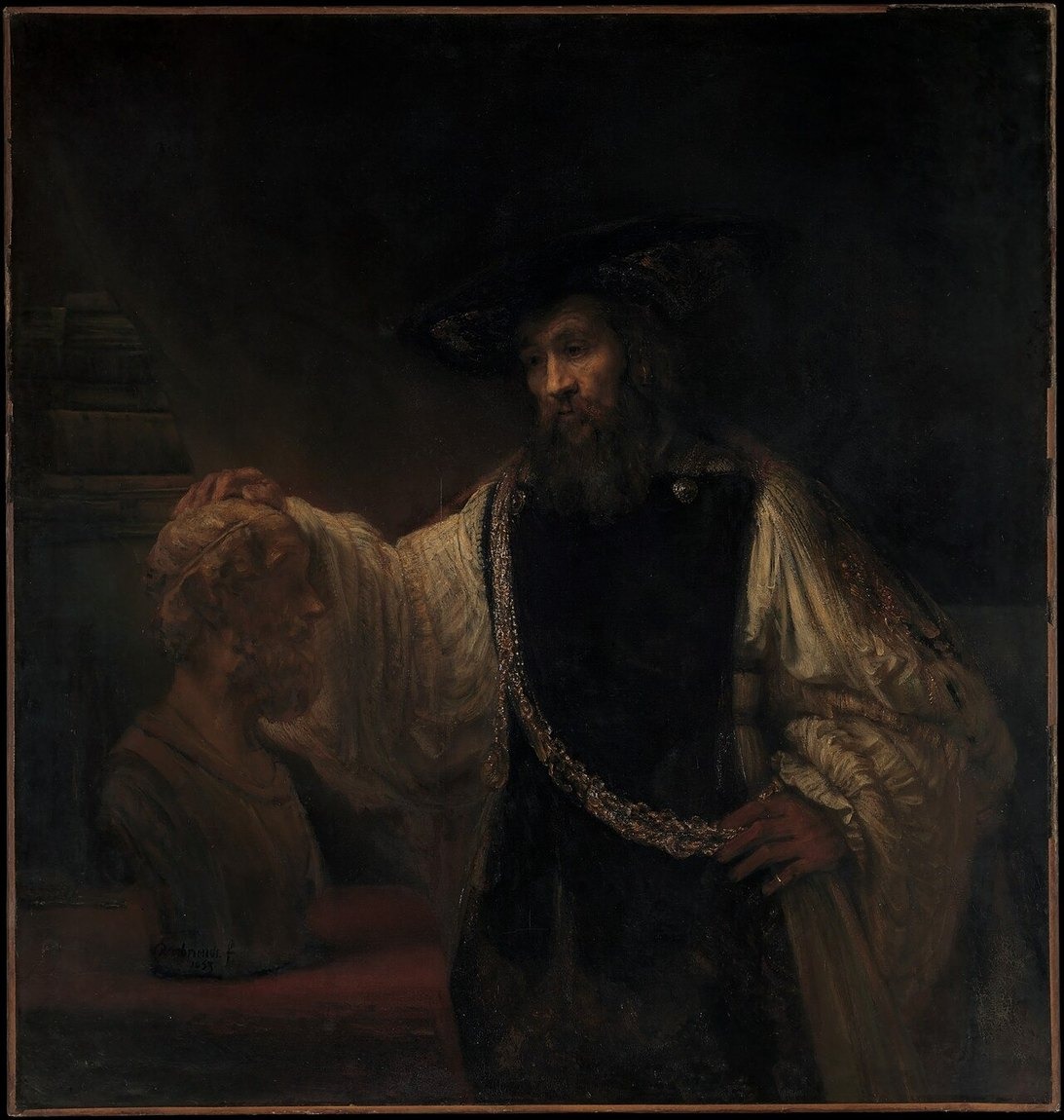 | Aristotle with a Bust of Homer, 1653Rembrandt van Rijn. The Metropolitan Museum of Art, New York · source | CC0 (Met Open Access) |
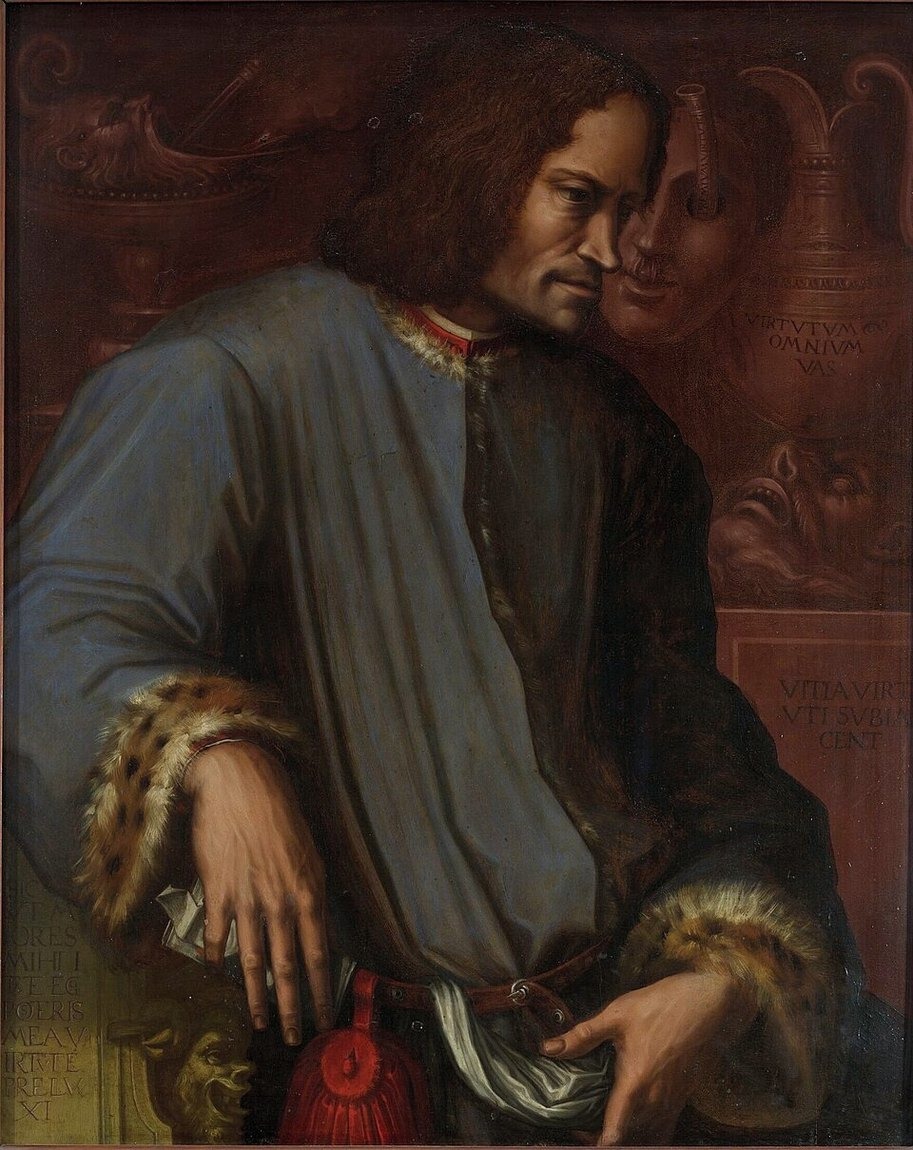 | Lorenzo de’ Medici, c. 1533–34Giorgio Vasari. Uffizi Gallery, Florence · source | Public domain |
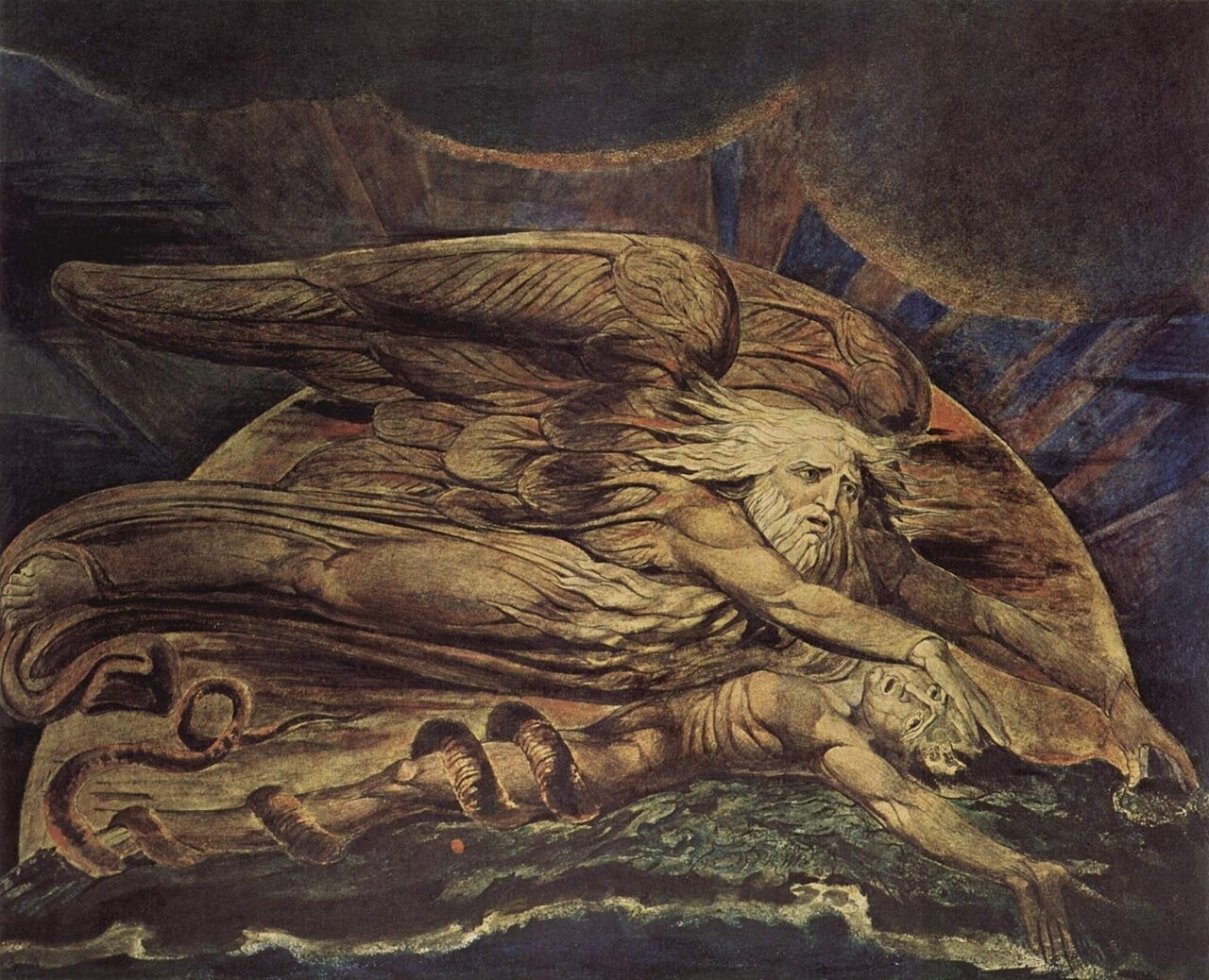 | Elohim Creating Adam, 1795William Blake. Tate, London · source | Public domain |
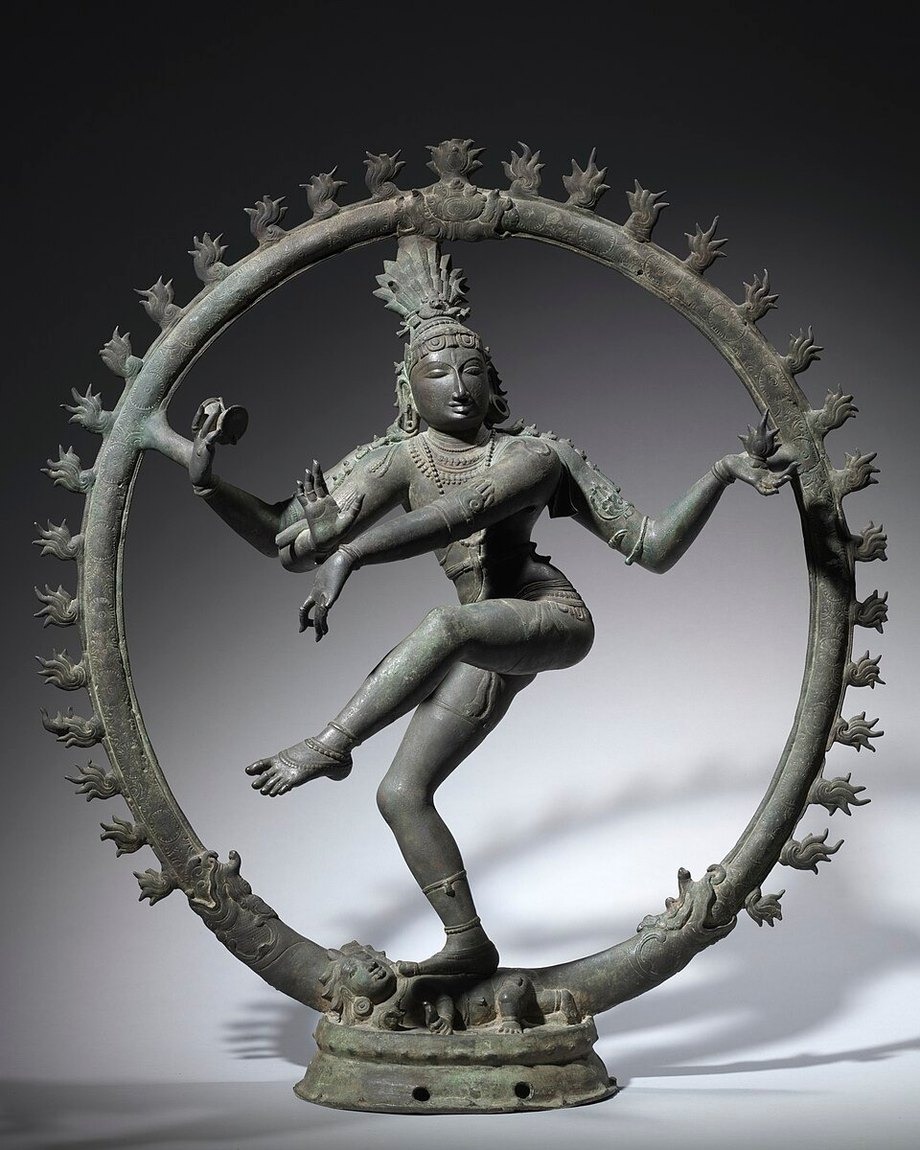 | Nataraja, Shiva as the Lord of Dance, c. 1000Bronze, Tamil Nadu, Chola period. Cleveland Museum of Art (1930.331) · source | CC0 |
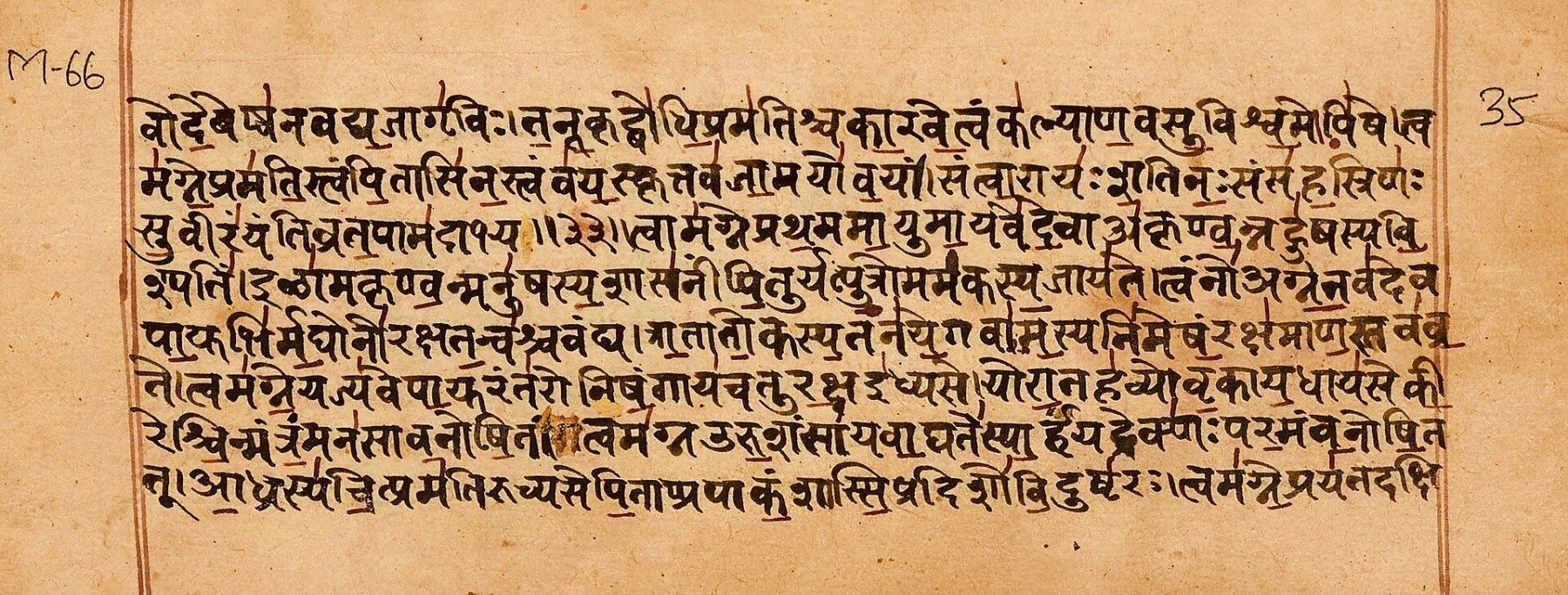 | A page from a Rigveda manuscript in Devanagari scriptPhotograph by Ms Sarah Welch · source | CC BY-SA 4.0 |
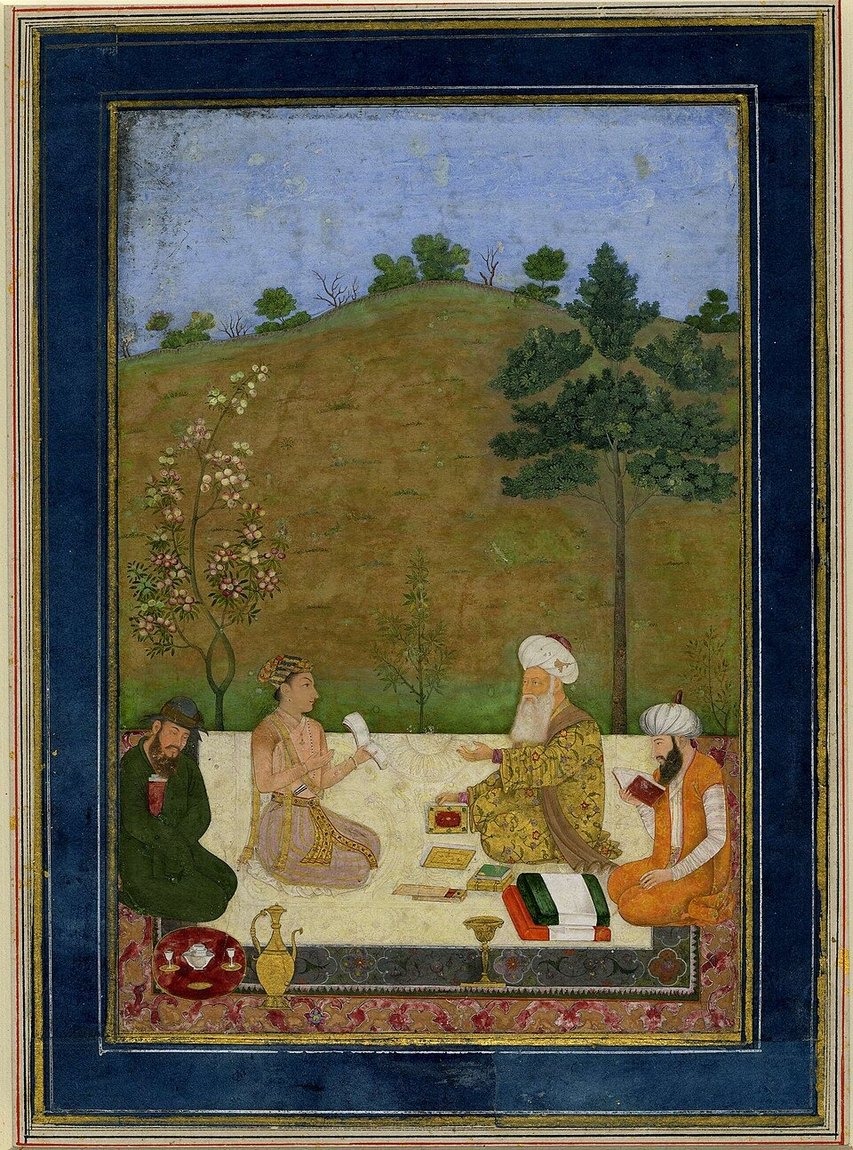 | Dara Shikoh with three holy men, c. 1650Mughal painting. British Museum, London (1941,1010,0.4) · source | Public domain |
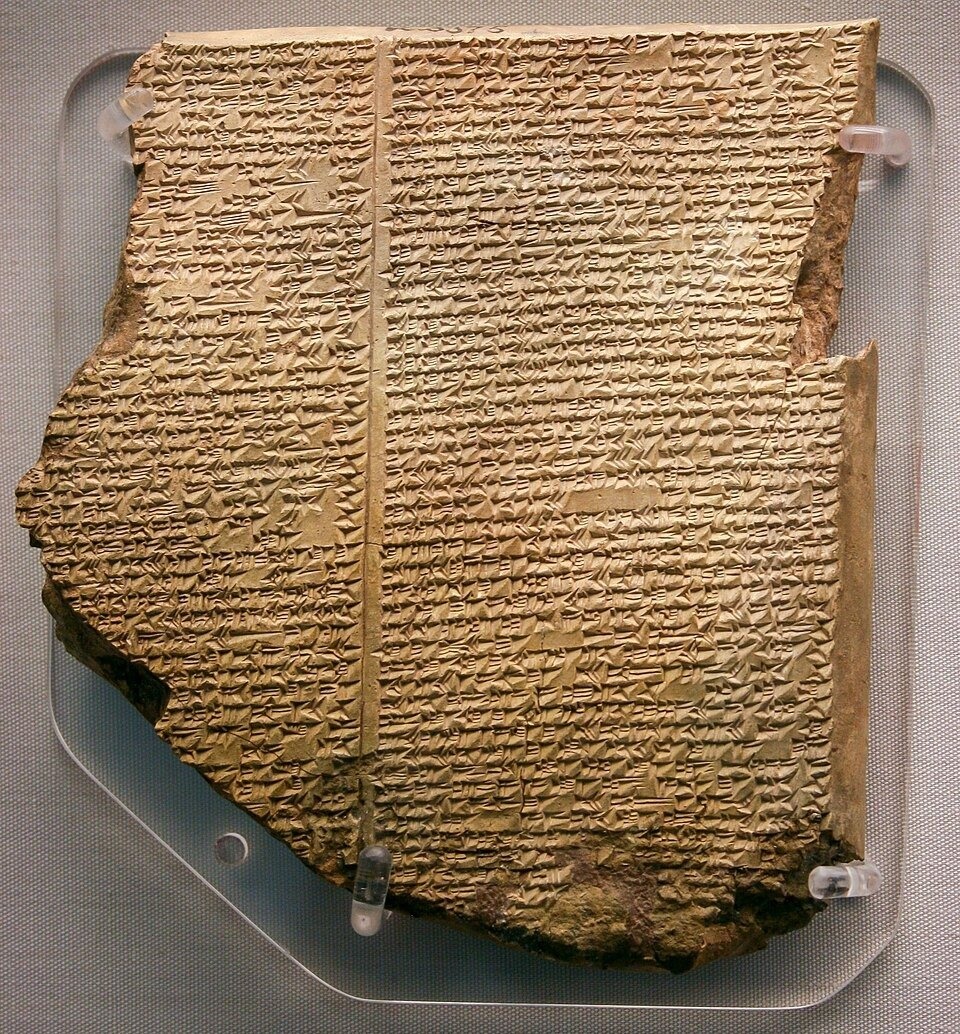 | The Flood Tablet, Tablet XI of the Epic of Gilgamesh, 7th century BCFrom Nineveh. British Museum, London. Photograph by Mike Peel · source | CC BY-SA 4.0 |
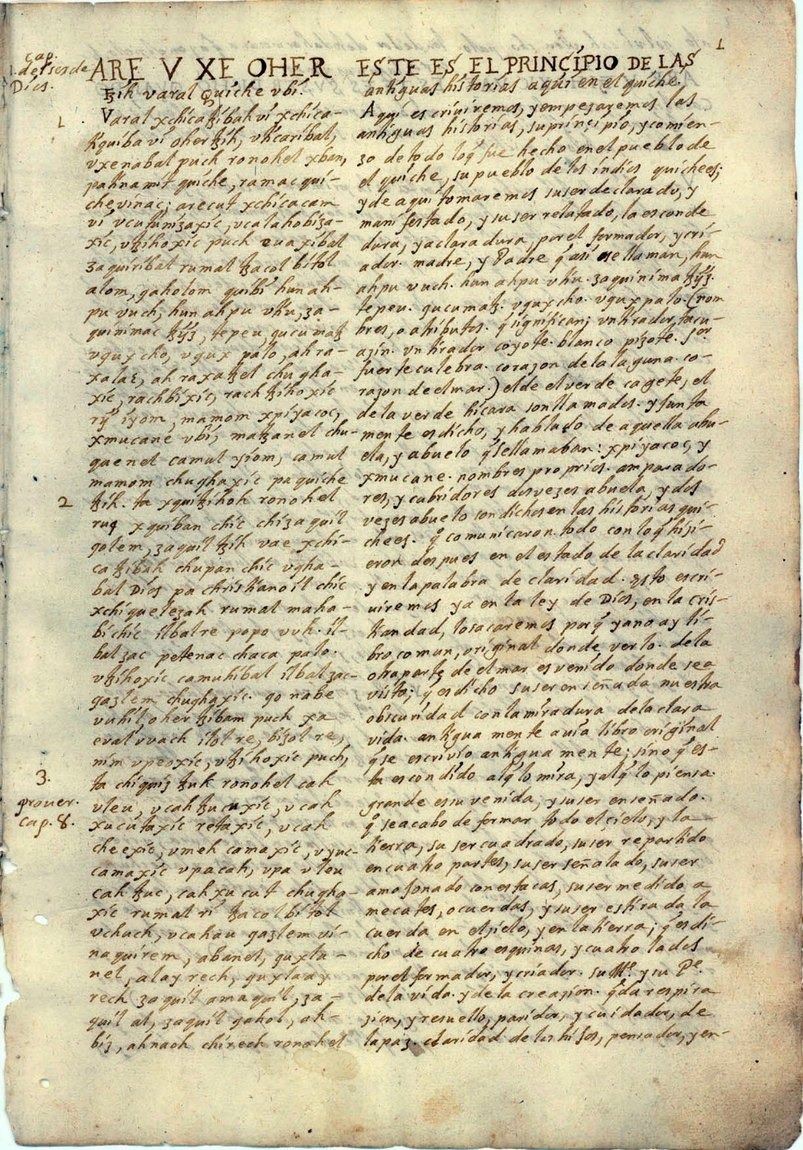 | First page of the Popol Vuh, copy by Francisco Ximénez, c. 1701Newberry Library, Chicago · source | Public domain |
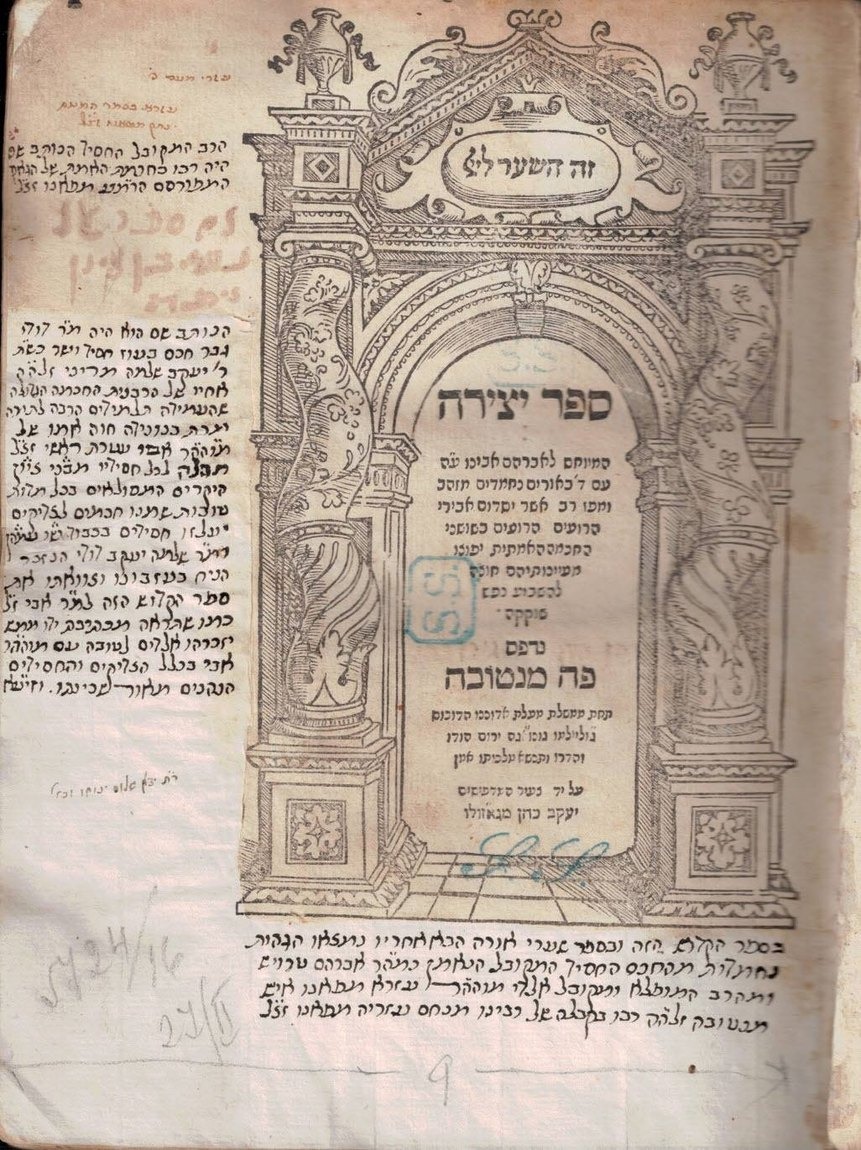 | Sefer Yetzirah, first printed edition, Mantua, 1562Printed by Jacob ben Naphtali Gazolo · source | Public domain |
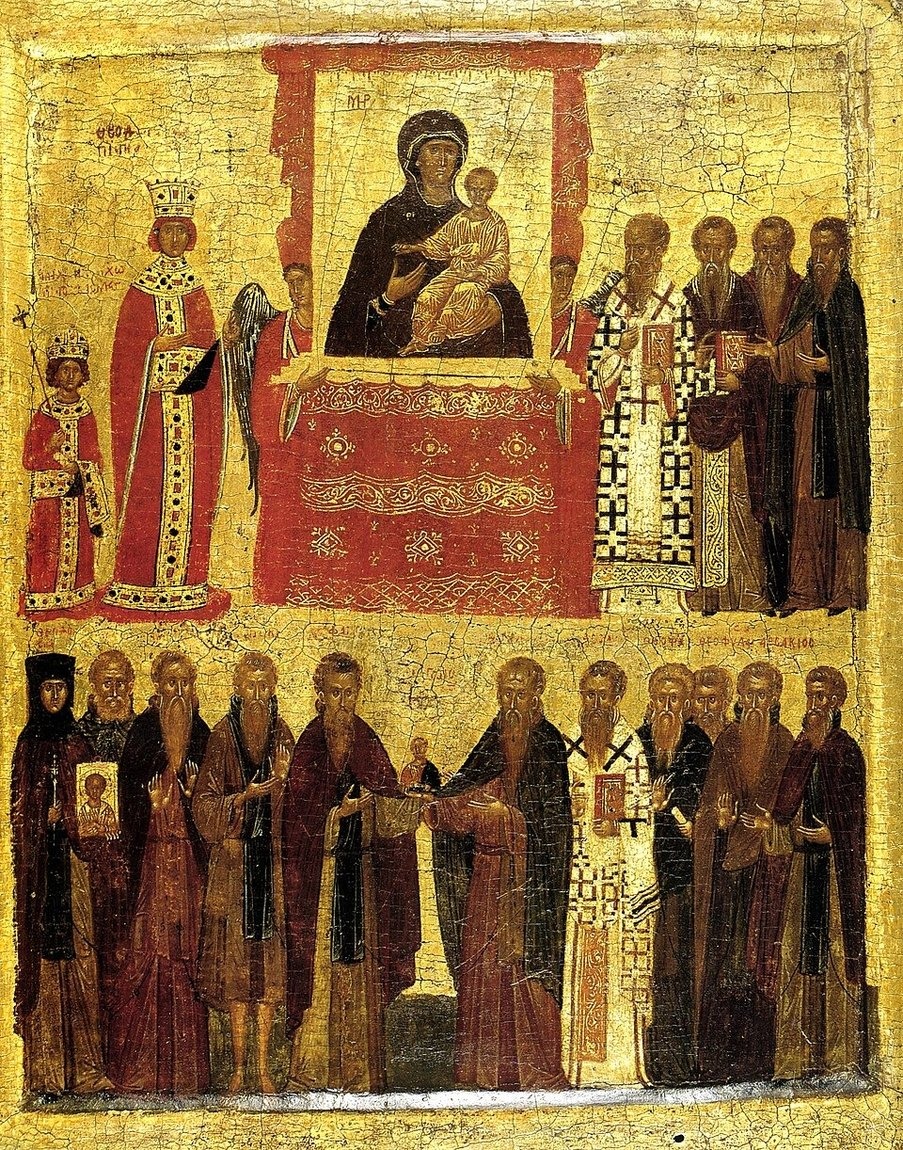 | The Triumph of Orthodoxy, icon, c. 1400Constantinople. British Museum, London · source | Public domain |
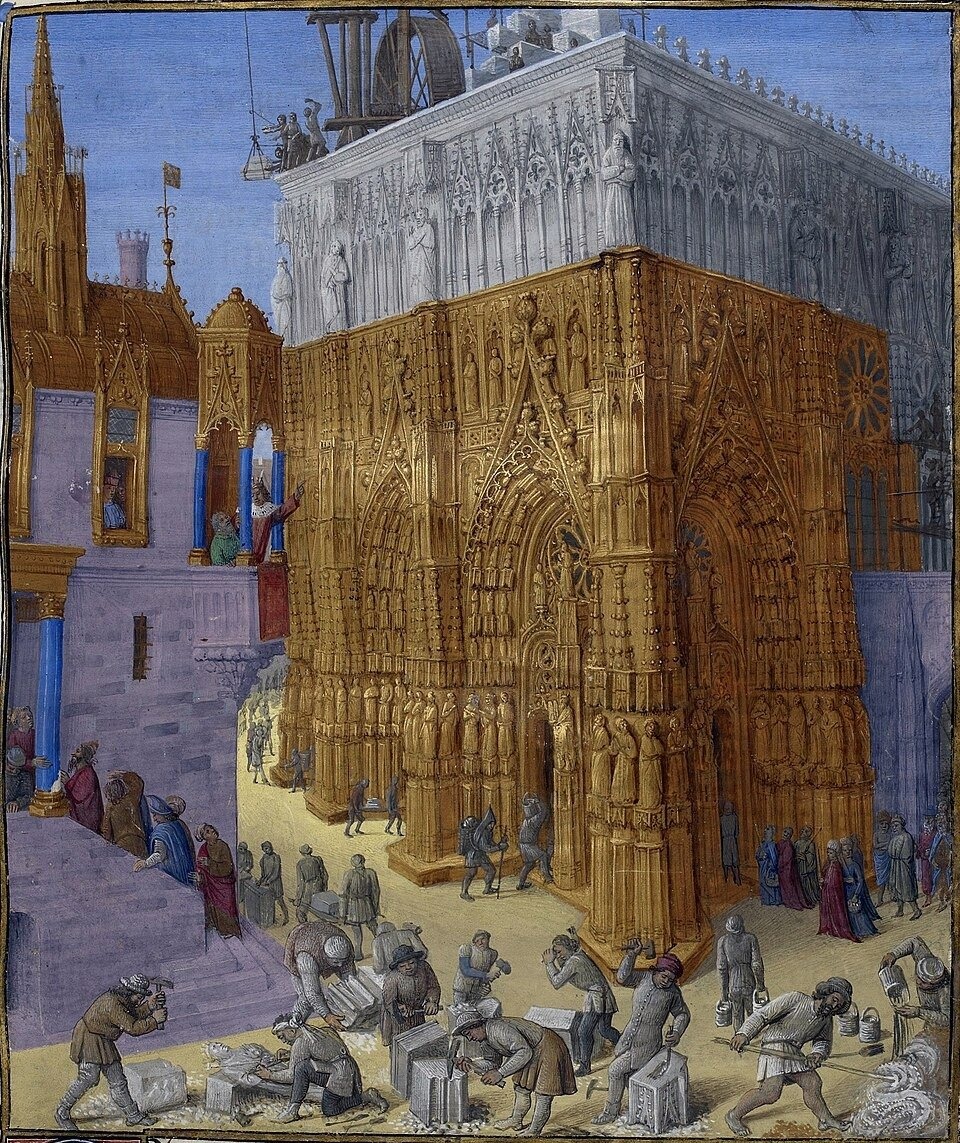 | The Building of the Temple, c. 1470–75Jean Fouquet, Antiquités judaïques. Bibliothèque nationale de France, Français 247 · source | Public domain |
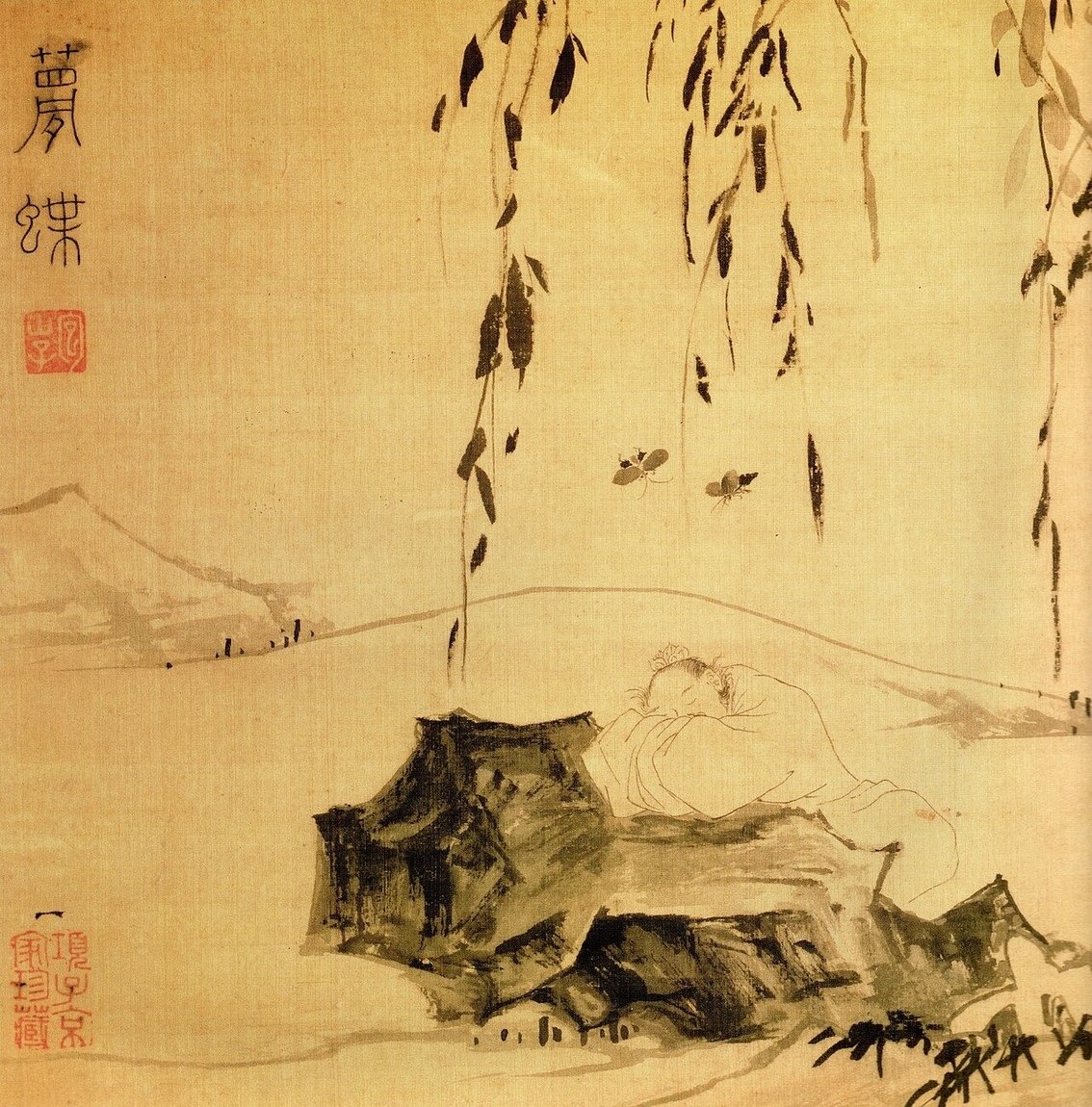 | Zhuangzi dreaming of a butterfly, mid-sixteenth centuryLu Zhi · source | Public domain |
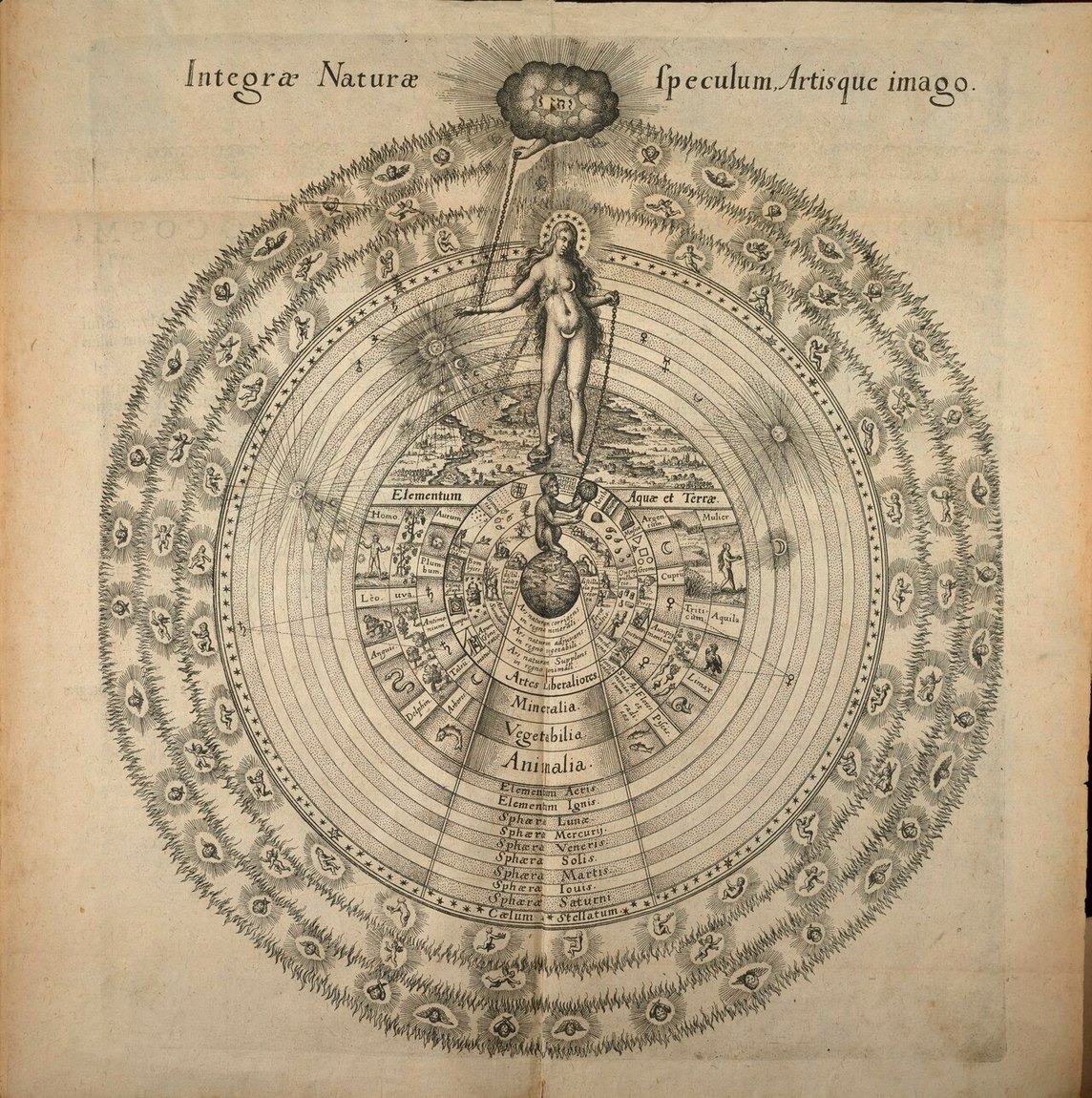 | The Mirror of the Whole of Nature and the Image of Art, 1617Johann Theodor de Bry, for Robert Fludd, Utriusque Cosmi Historia, Oppenheim · source | CC0 |
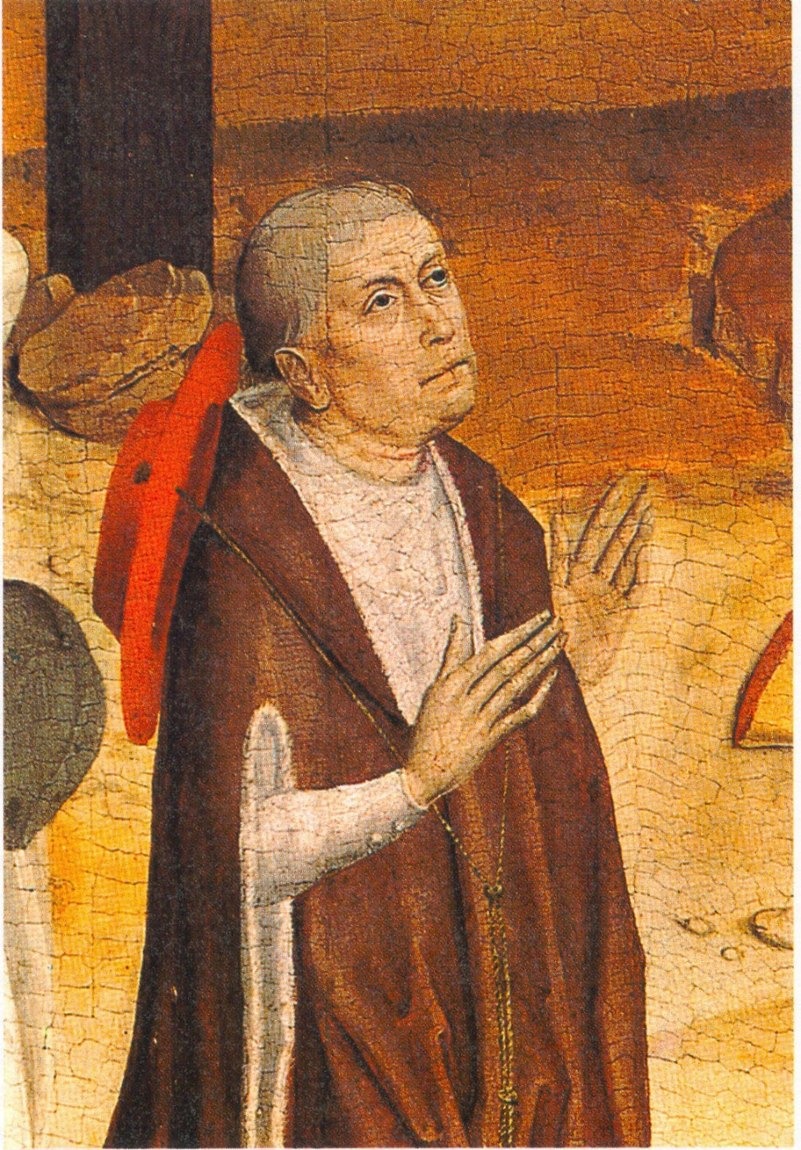 | Nicholas of Cusa as donor, fifteenth centuryAltarpiece of the chapel of the St. Nikolaus-Hospital, Bernkastel-Kues · source | Public domain |
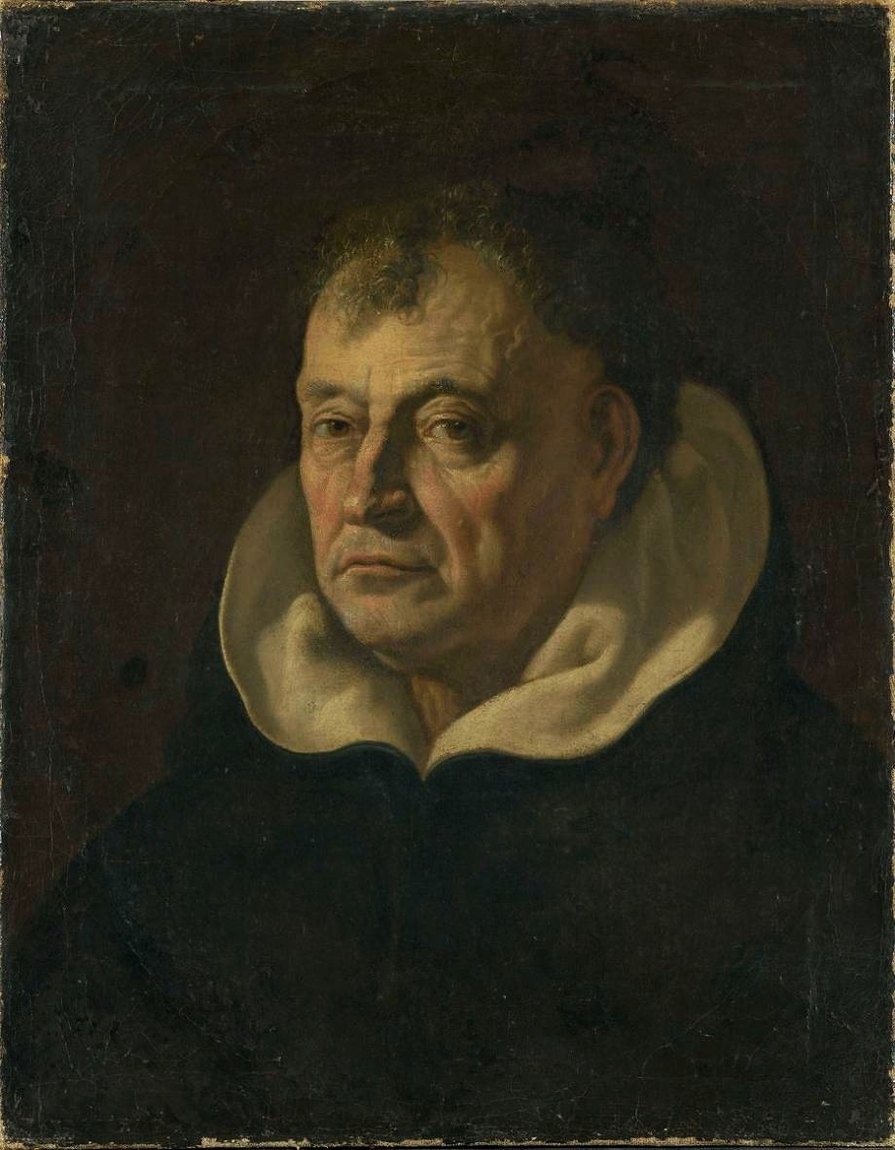 | Tommaso Campanella, seventeenth centuryFrancesco Cozza · source | Public domain |
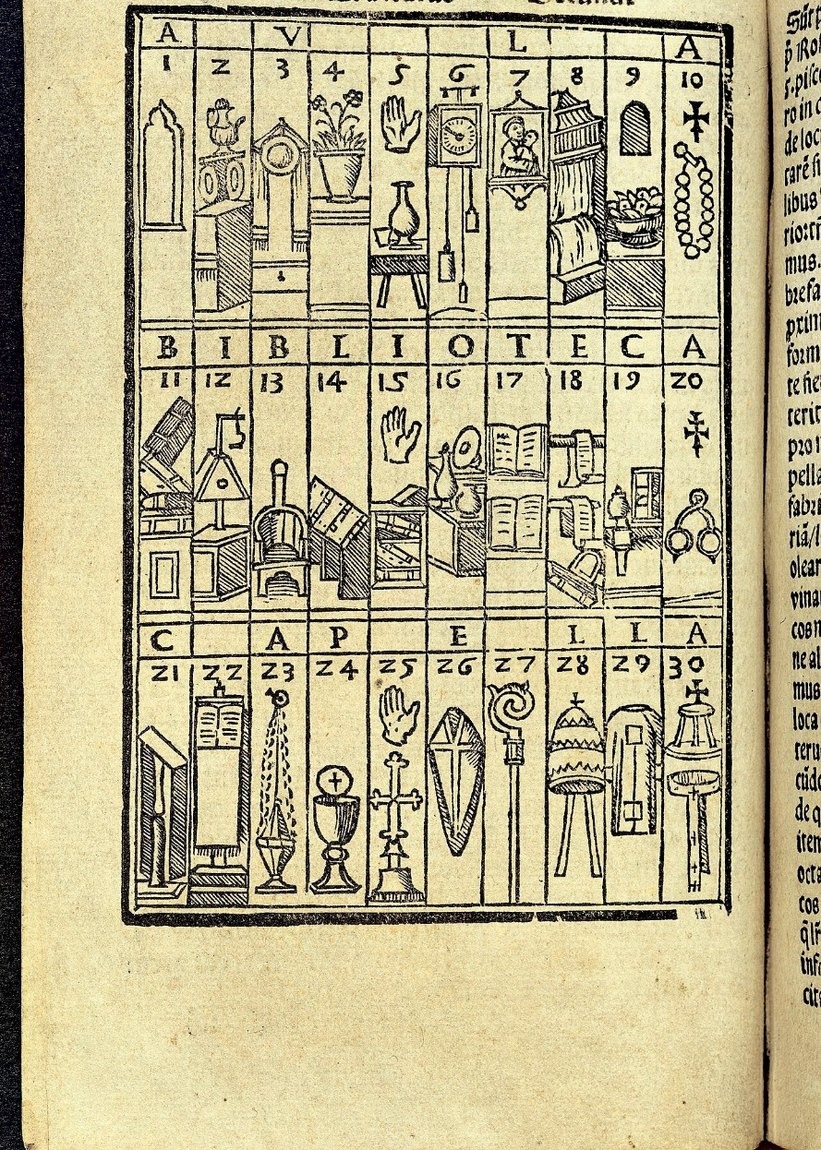 | Places for memory, 1533Johann Romberch, Congestorium artificiose memorie, Venice. Wellcome Collection · source | CC BY 4.0 |
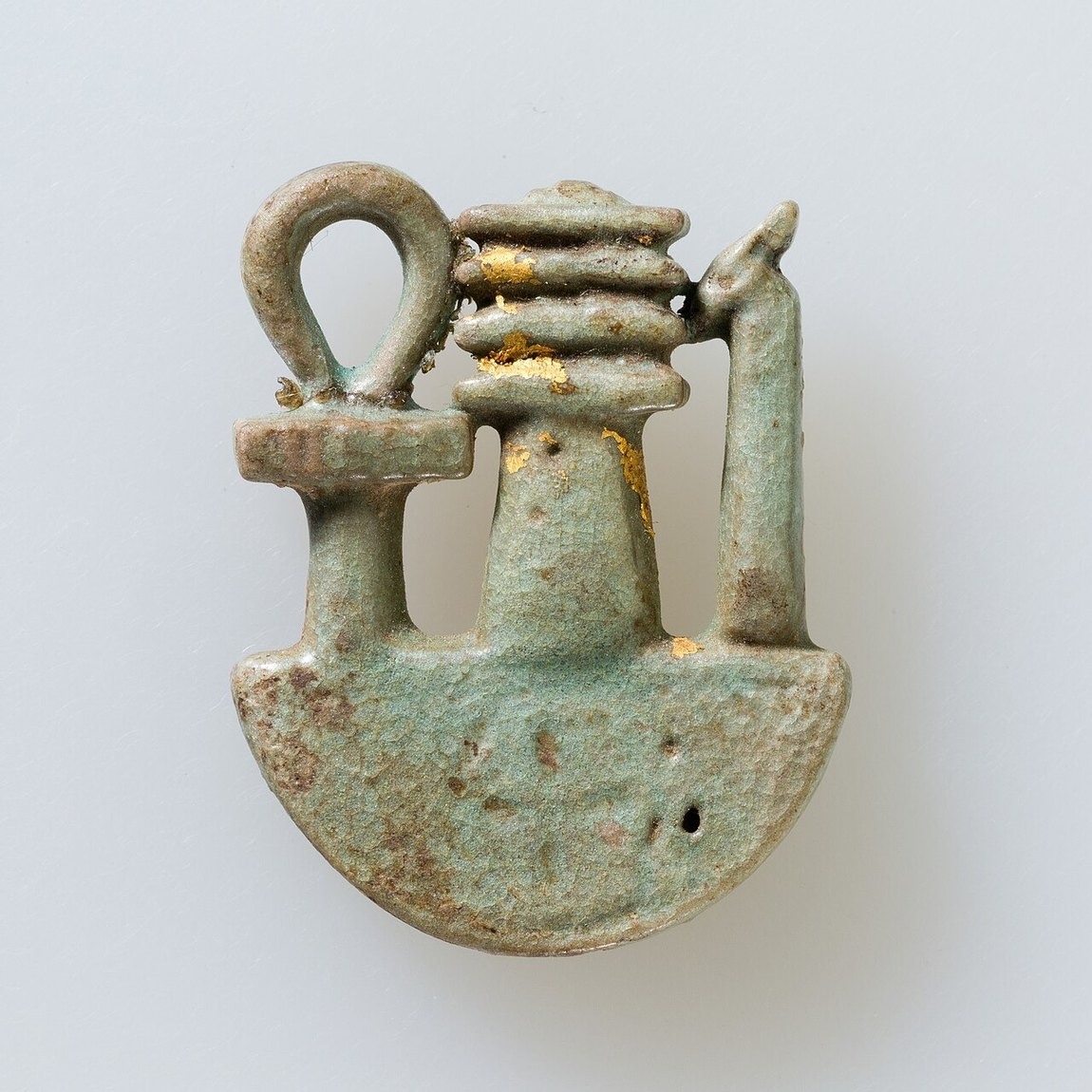 | Amulet of the ankh, djed and was on a neb basket, 664–30 BCEgypt, Late Period to Ptolemaic Period. The Metropolitan Museum of Art, New York · source | CC0 |