The Apotheotic Order
To create · To preserve · To uphold
“The Eternal Body of Man is The Imagination, that is God himself.”
William Blake, The Laocoön, c. 1826–27
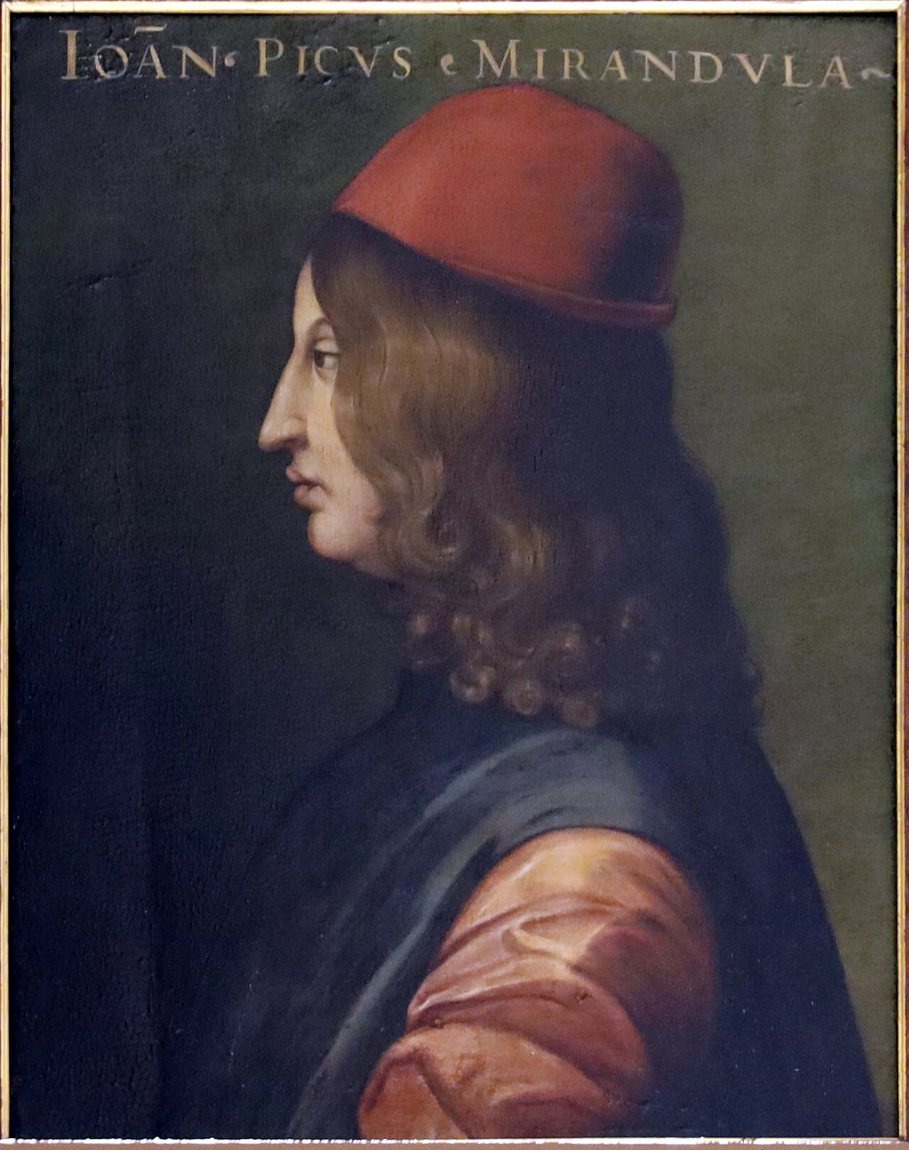
Every temple, symphony and story began as something that did not yet exist. The Apotheotic Order holds that this power, to bring forth what has never been and to give meaning to all that is, is the most divine thing in human nature, and that through it humanity may approach the divine. It is open to those of every faith and of none, holding that every people has received the divine through the same Poetic Genius and given it form in its own stories; what it asks is that the creative faculty be held sacred.
The Order takes its name from the ancient word for the raising of a mortal to the gods, apotheosis, and it finds the road there in the work of human hands and minds: in art, craft and inquiry, and in the full reception of what others have made. Its charge is threefold: to create, to preserve and to uphold.
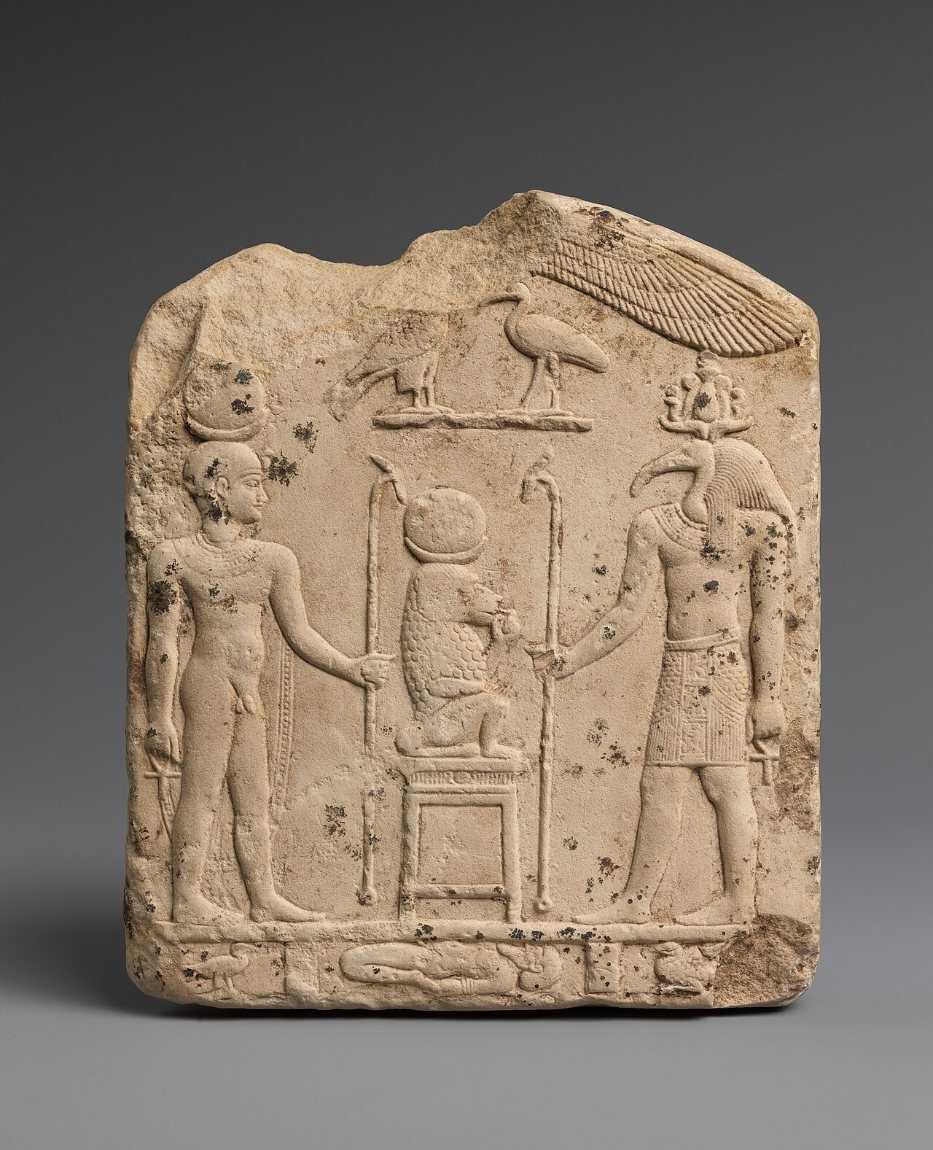
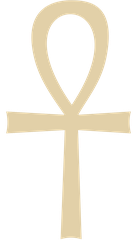
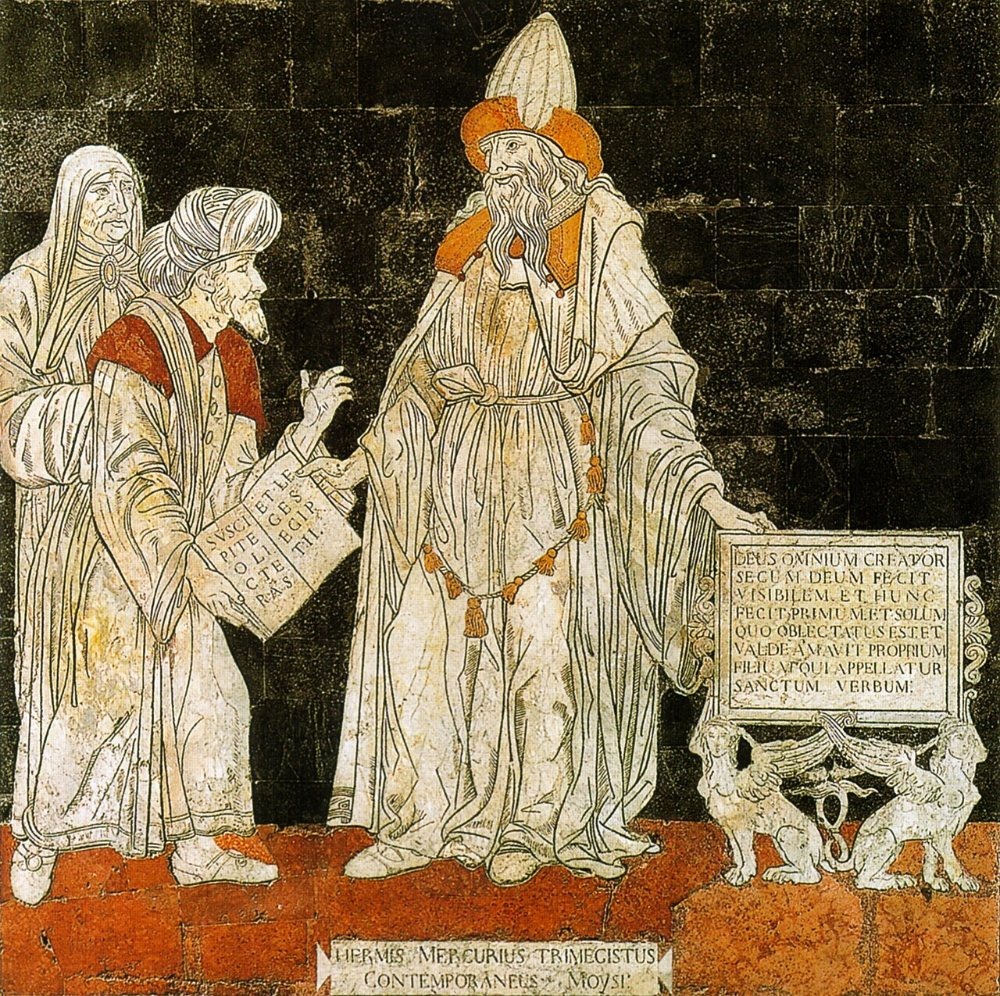
Its patron is Hermes Trismegistus, whose teachings place the act of making at the heart of humanity’s kinship with the divine. Its sign is the Ankh, which the gods of Egypt held out to kings as the gift of divine life, and which the Order reads as the gift of a mind able to create.
From the archive
- On Apotheosis · The name of the Order
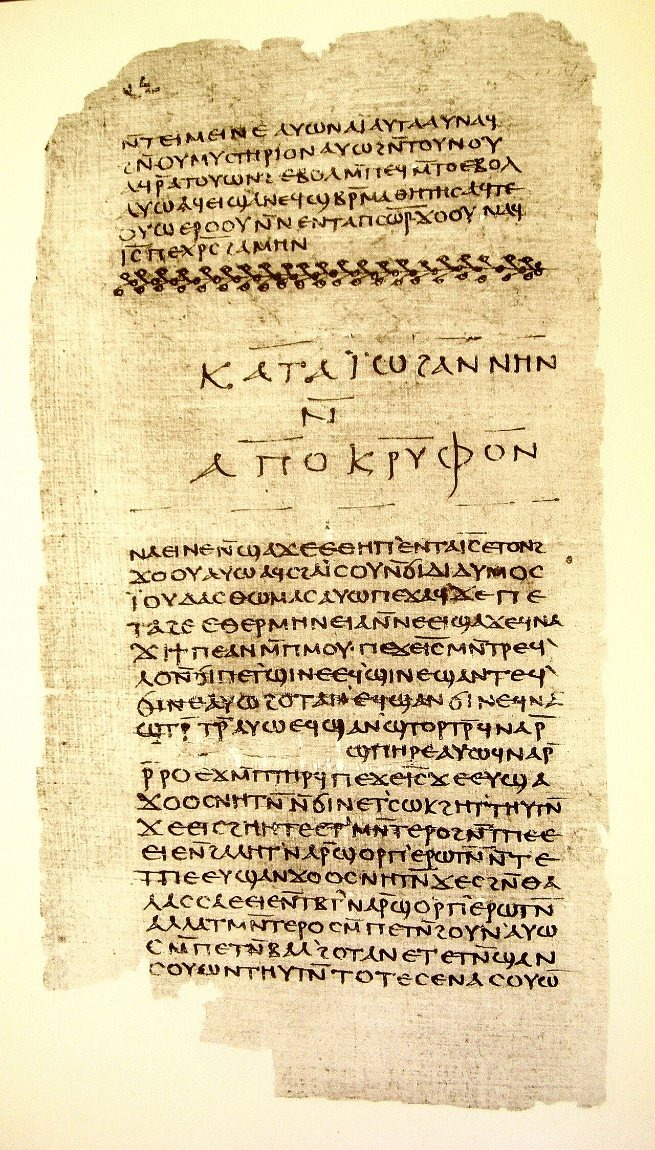
- The Canon · The works the Order holds closest
- The Patronage of Hermes · Hermes Trismegistus as patron of the Order
- The Ankh · The sign of divine life
- The Sacred Faculty · On creation and meaning
- The Poetic Genius · The faculty through which the divine is received
Purpose
Creation, preservation and the works that carry meaning.
Fellowship
Association, membership and the sworn charge.
Correspondence
Associates, letters and enquiries.
The three inheritances