Mary Shelley
The Modern Prometheus
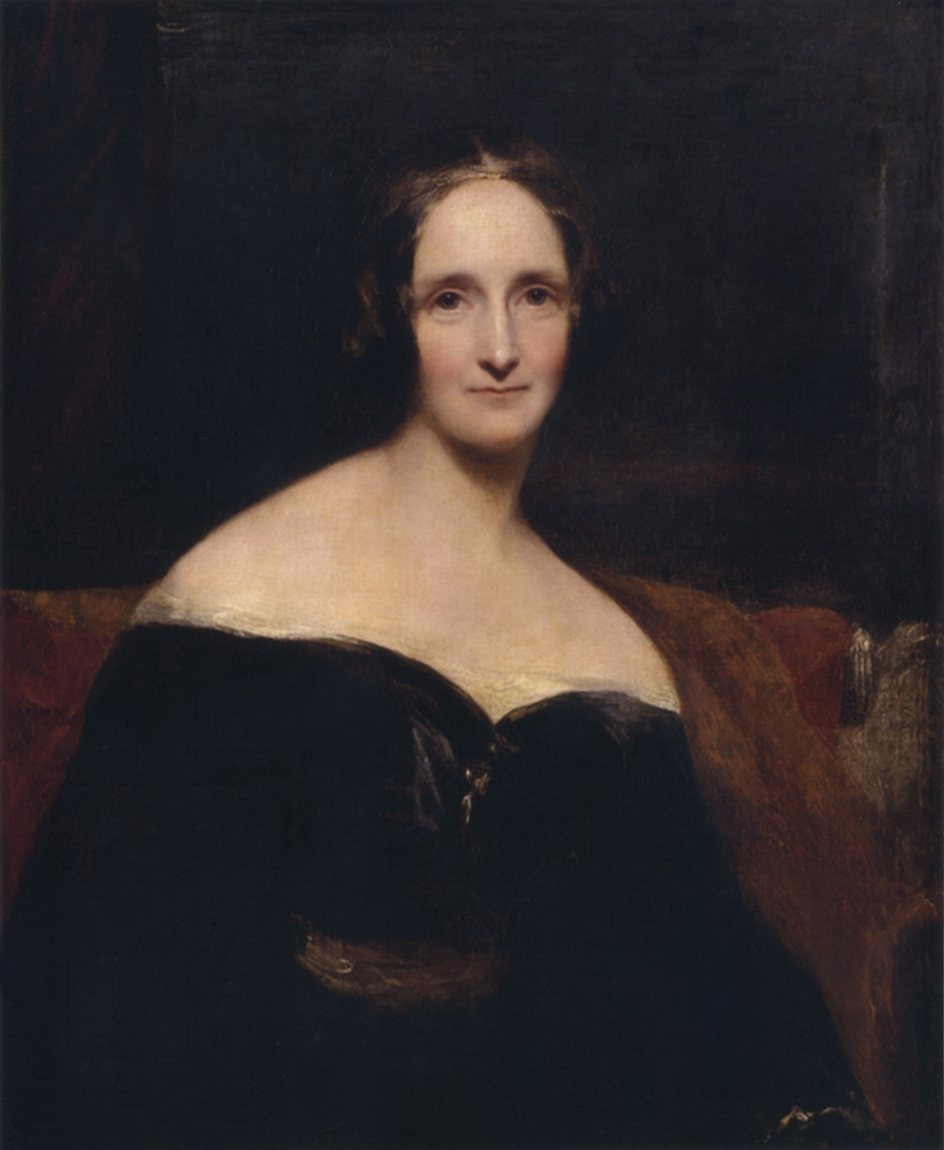
Mary Wollstonecraft Shelley was an English novelist, and the author of Frankenstein; or, The Modern Prometheus.
She was the daughter of two celebrated writers, the philosopher Mary Wollstonecraft, who died days after her birth, and the political thinker William Godwin. At sixteen she left England with the poet Percy Bysshe Shelley, whom she later married.
In the wet summer of 1816, at the Villa Diodati on Lake Geneva, Lord Byron proposed that each of his guests write a ghost story. Mary Shelley’s became Frankenstein, published in 1818: the tale of a young scientist who assembles a living being and then abandons it, and of the creature’s longing, grief and revenge. It is often called the first work of science fiction.
Its subtitle recalls Prometheus, who in ancient myth moulded humanity from clay; see The Sacred Faculty. The novel asks what a maker owes to what it has made, a question the Order regards as inseparable from the reverence it holds for creation. After her husband’s death in 1822 she edited and published his poems, preserving much of his work.