Joseph Campbell
The hero with a thousand faces
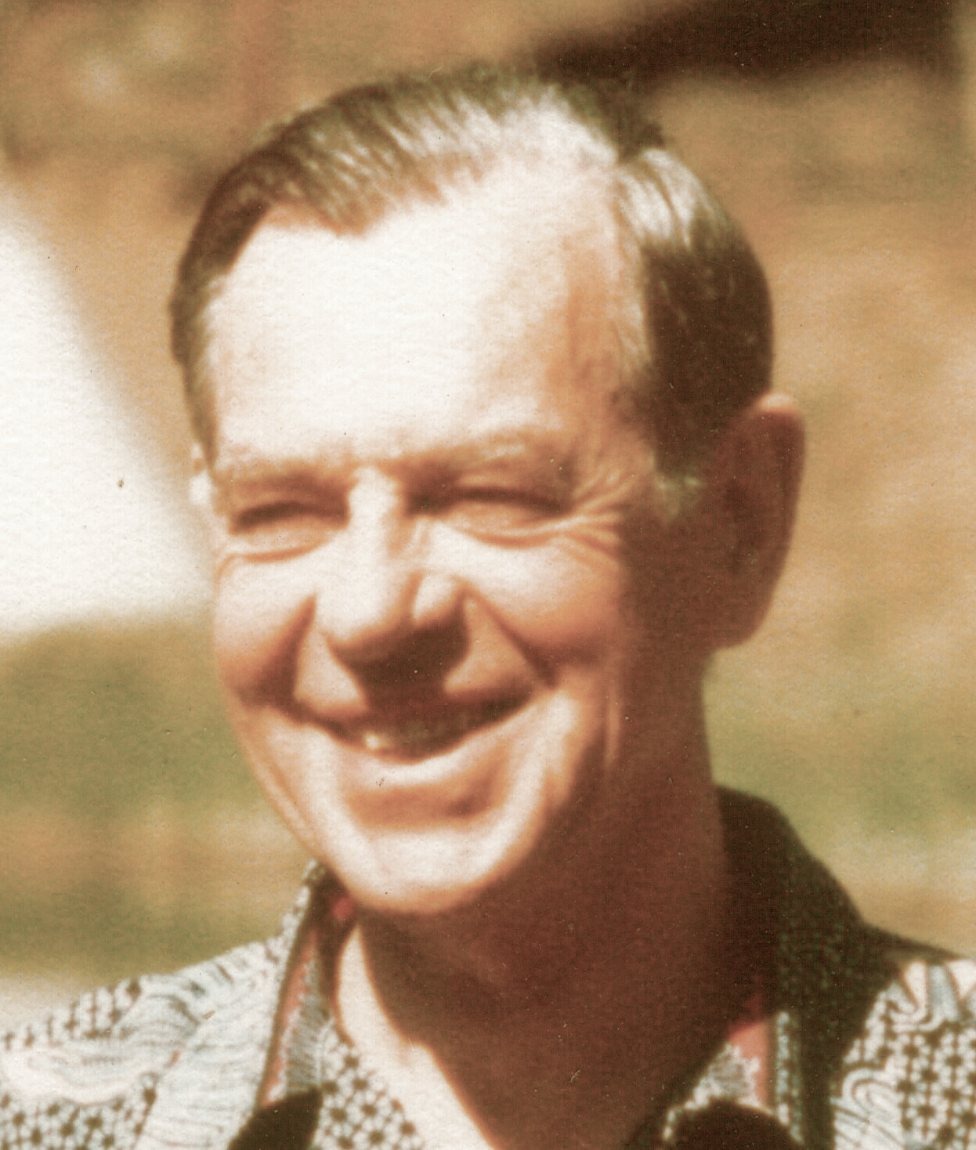
Joseph Campbell was an American scholar of comparative mythology, whose books and lectures introduced millions of readers to the myths of the world.
Born in New York in 1904, Campbell studied medieval literature at Columbia and in Paris and Munich, and for nearly four decades taught at Sarah Lawrence College. He edited the works of the Indologist Heinrich Zimmer and wrote widely on the mythologies of East and West.
In The Hero with a Thousand Faces (1949) he described a pattern he found in the myths of many cultures, the monomyth, in which a hero leaves the ordinary world, passes through trials and returns transformed with a gift for the community. His four-volume The Masks of God followed, and in the last years of his life a series of televised conversations, The Power of Myth, brought his ideas to a vast audience.
Campbell drew on Jung’s psychology and was fascinated by the recurrence of symbols across traditions. His claims have been debated by scholars, but his conviction that myths remain living guides for human life has shaped writers, artists and filmmakers ever since. He died in Honolulu in 1987.