
The Nag Hammadi Codices
A library buried in the desert
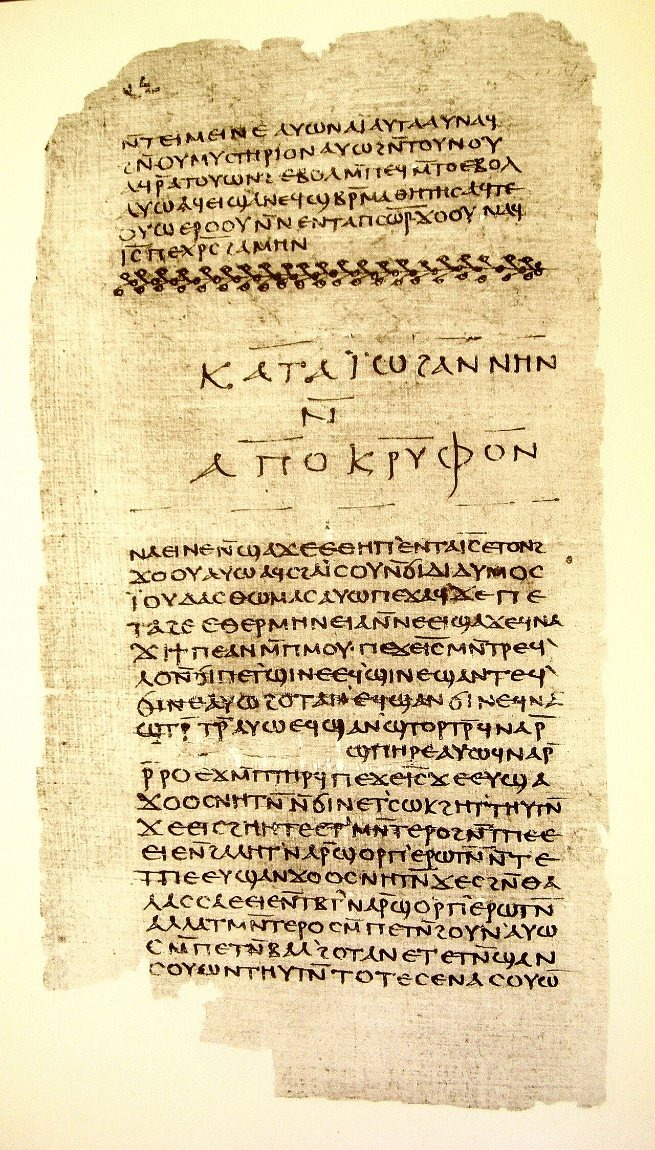
The Nag Hammadi codices are thirteen leather-bound papyrus books in Coptic, buried in a jar in Upper Egypt in the fourth century and discovered by local farmers in December 1945.
The books contain more than fifty texts. Most are Christian writings of a kind usually called Gnostic, among them the Gospel of Thomas and the Apocryphon of John. There is also a Coptic version of a passage from Plato’s Republic. The sixth codex contains three Hermetic texts: the Discourse on the Eighth and Ninth, a Prayer of Thanksgiving, and an excerpt from the Perfect Discourse, the Greek original of the Asclepius.
Who buried the books, and why, is unknown. Their bindings were strengthened with scraps of used papyrus, including letters and documents, and the site lies near early monastic foundations. Many scholars suspect that the owners hid them when such writings were being condemned, but the question remains open.
After passing through several hands, the codices came to the Coptic Museum in Cairo, where they remain. Their publication in the decades after 1945 transformed the study of early Christianity and of Hermeticism alike.
The Order honours the unknown persons who buried these books. They preserved works that others wished destroyed, and could not have known whether anyone would ever read them again. The duty to preserve seldom takes a clearer form.