
Lactantius, Augustine and Hermes
Early Christian readers of the Hermetica
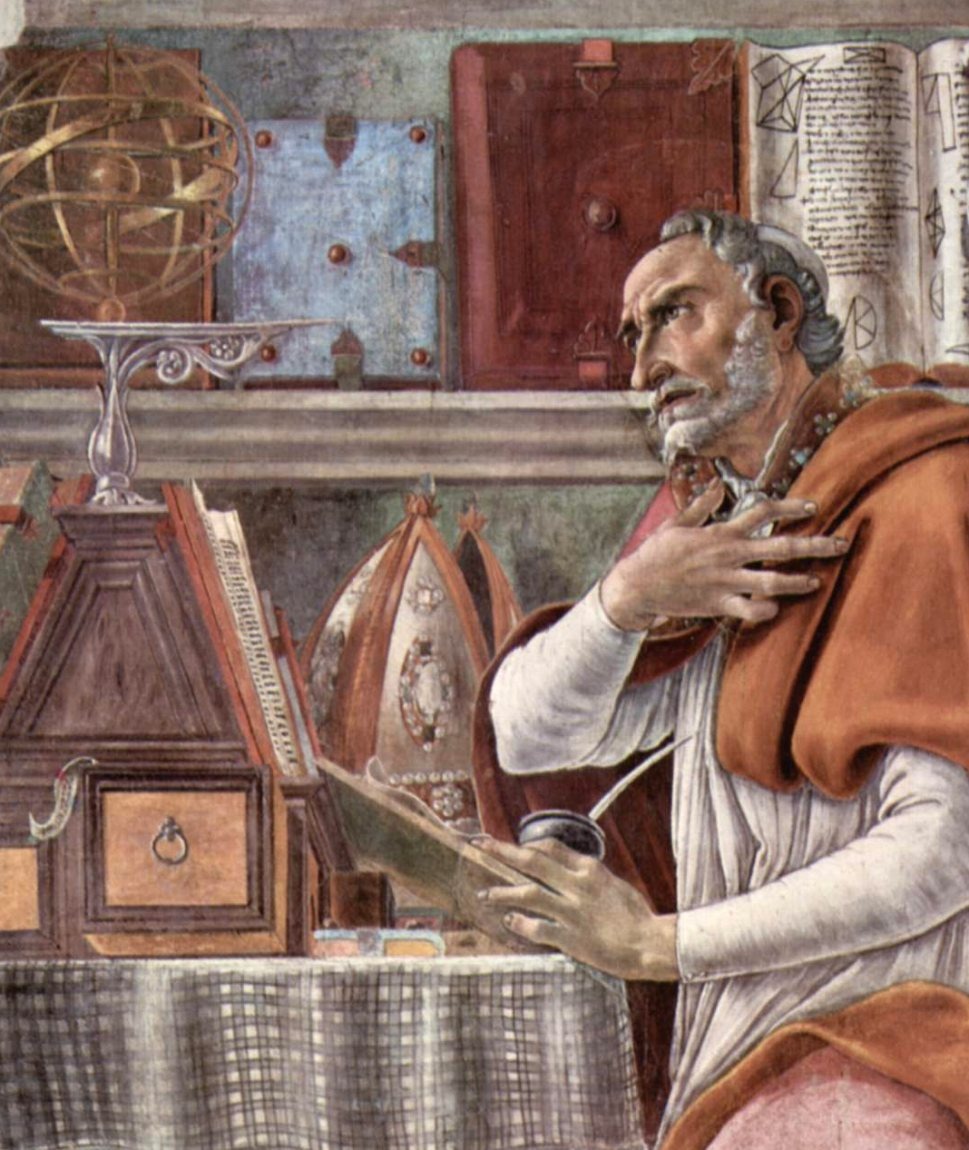
Early Christian writers were divided over Hermes Trismegistus. Some honoured him as a pagan witness to the one God; others saw in his writings the errors of idolatry.
Clement of Alexandria, around AD 200, described the forty-two books of Hermes carried by Egyptian priests. A century later Lactantius, a teacher of rhetoric who became tutor to the son of Constantine, quoted Hermes repeatedly in his Divine Institutes. He found in him a witness from outside Scripture to the one God and to a divine Son, whom Hermes had called the Word. Lactantius also cited the Greek original of the Asclepius, now otherwise lost.
Augustine of Hippo took a harder view. In the eighth book of the City of God, written in the early fifth century, he quoted the Asclepius at length: its account of the making of gods by human hands, and its lament foretelling the abandonment of Egypt by its gods. He condemned the first as idolatry and read the second as an unwilling prophecy of paganism’s end.
Between them, these readers ensured that Hermes remained known in the Latin West through the Middle Ages, and their opinions were still debated when Ficino translated the Greek treatises in Florence.
The Order values the disagreement itself. A tradition is kept alive not only by admirers but by serious opponents, and Augustine’s careful quotation preserved passages that might otherwise have been lost.