
On Meaning and Historical Truth
Two questions, kept apart
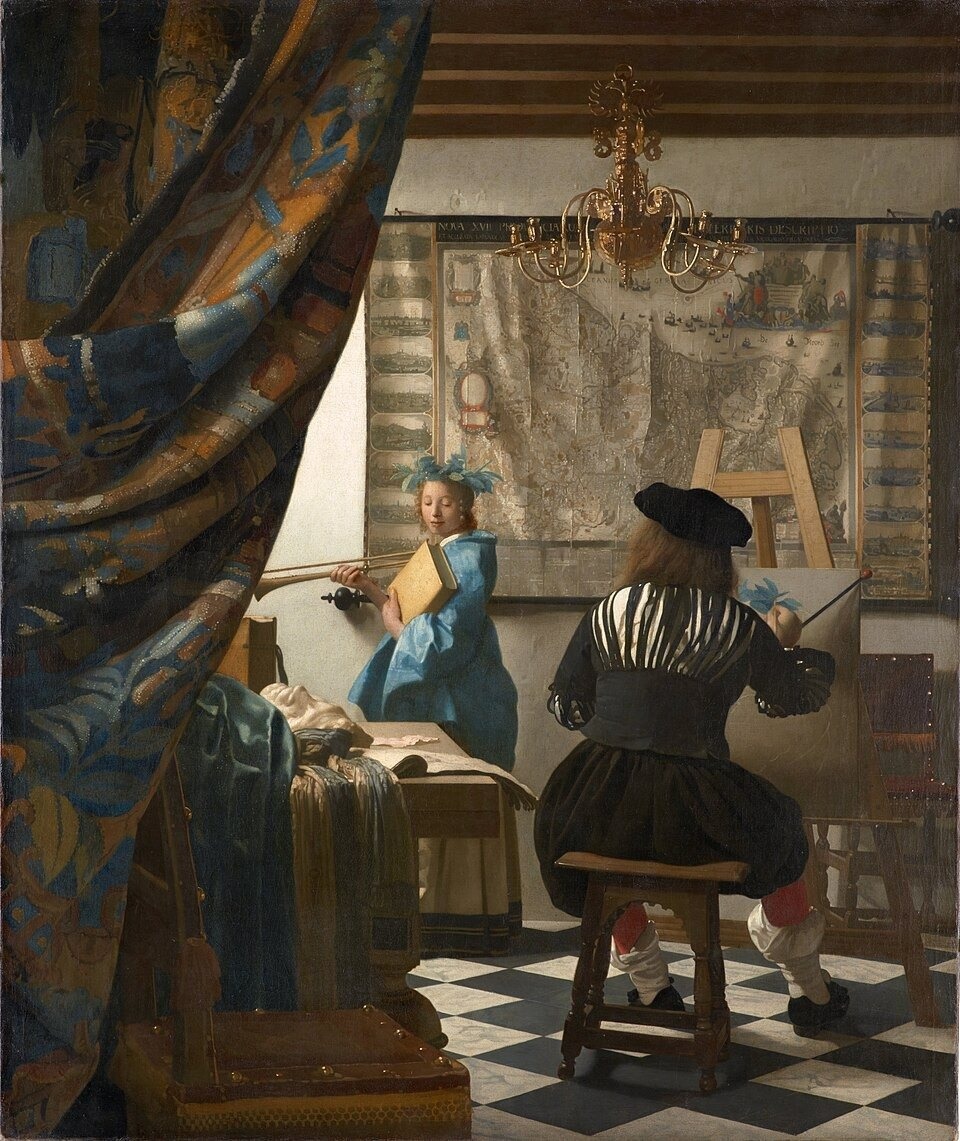
A work need not describe events that occurred in order to be meaningful. This distinction is fundamental to the Order’s approach to myth, art and tradition.
The stories of gods and heroes, the figures of epic and the characters of the novel have shaped the courage, grief and hope of readers who never mistook them for chronicles. A parable teaches without having happened. Whether an event took place, and whether its telling carries meaning, are different questions, and both deserve honest answers.
The history of the Hermetic writings offers an instructive case. For a century and a half after Ficino’s translation, many readers believed them to be the work of an Egyptian sage contemporary with Moses. In 1614 Isaac Casaubon showed that they had been written in the Roman period. The writings did not thereby lose their value. They ceased only to be evidence for a claim they could not support, and they are still read today for what they say.
The distinction runs the other way too. A thing may gain in worth through its story without any change in its substance. A relic is honoured for whose it was; a letter in an author’s own hand is treasured though its words are printed in every edition; museums record the provenance of a work, the chain of hands through which it has passed. The critic Walter Benjamin called this the aura of an original: its presence in one time and place, and the history it has lived through, which no copy shares. What the story adds could never be found in the object by weighing or measuring it, and yet it is real. The Order counts it among the meanings minds give to the world, and holds that it too deserves care; see Those Who Preserve.
The Order keeps both questions in view. It studies the history of a work with care, and receives what the work has to say with an open mind.