Begotten, Not Made
A distinction from the Creed of Nicaea
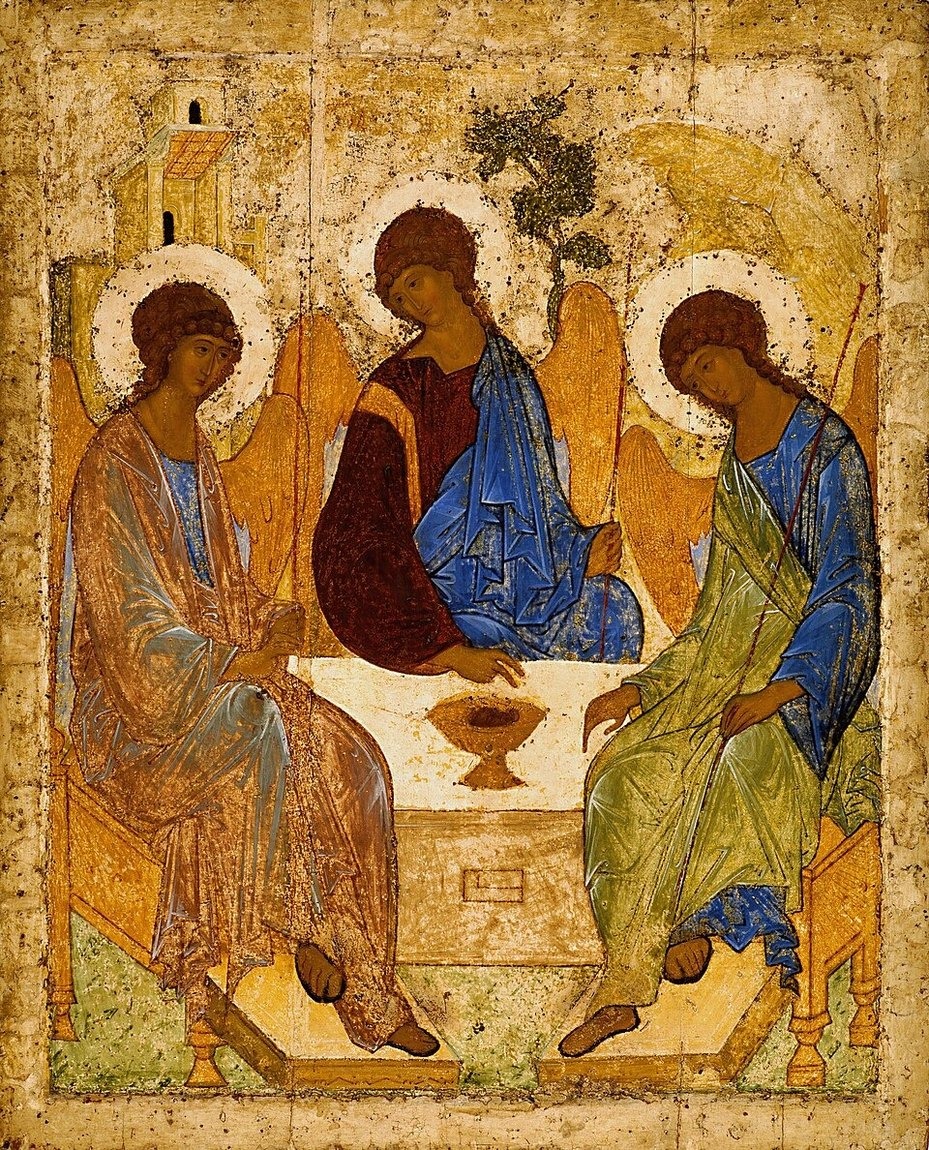
The Creed of the Council of Nicaea confesses the Son of God to be “begotten, not made.” The phrase distinguishes two kinds of origin, and the distinction is of particular interest to the Order.
The controversy that led to the council concerned the teaching of Arius, a presbyter of Alexandria, that the Son had been created by the Father and that there had been a time when he did not exist. The bishops rejected this position. Their creed declared the Son to be begotten of the Father and of one substance with him, while God the Father was confessed as “maker of all things, visible and invisible.”
The distinction rests on an old intuition. What one begets shares one’s own nature; what one makes is other than oneself. A father begets a son; a craftsman makes a chair.
Christians read the Creed according to their own faith. All may observe that makers have always spoken of their works in the language of begetting. Poets call their poems children; Plato wrote of souls pregnant with ideas. Something of the maker passes into the made thing, which is why a work can speak for its maker long after the maker is silent. The Order’s reverence for creation rests partly on this observation: that making, though not begetting, is never wholly a making of something other.