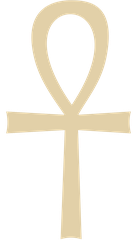
The First and Second Breath
The reciprocal gift
The First and Second Breath is the Order’s teaching on the reciprocal relationship between life received and meaning created.
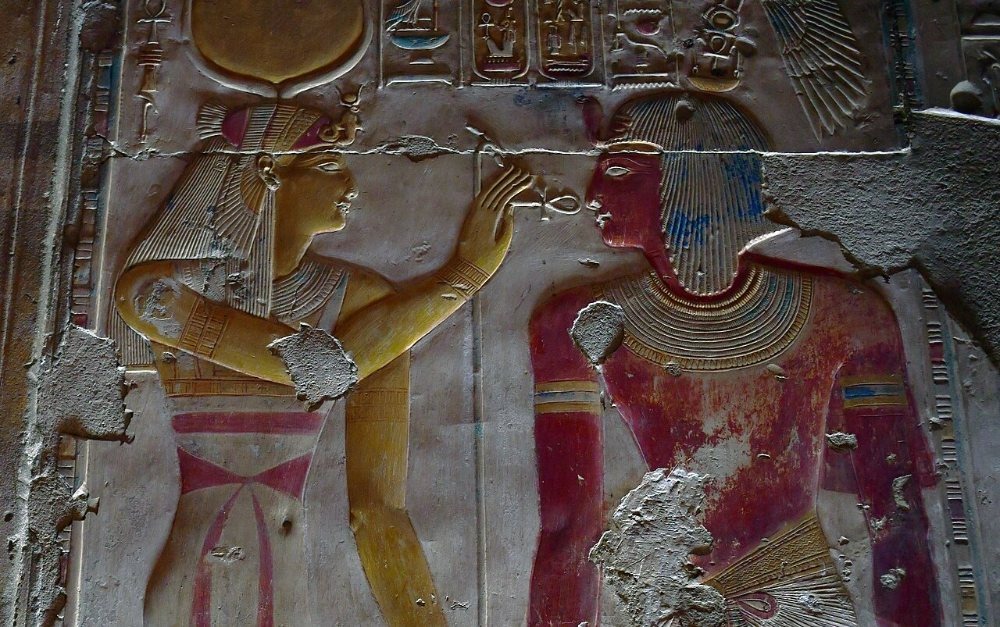
In Egyptian imagery, the Ankh is held toward the face of a king as a visible gift of life from a god. The breath that sustains the body becomes a sign of divine generosity. In the ritual of the Opening of the Mouth, priests performed a comparable gift for statues and for the dead, so that they might breathe and receive.
The Order reads a second movement in the same gesture. Life is given to humanity; and the living mind, in turn, gives life. It conceives gods and fashions their images, tells their stories and gives presence to characters and worlds that would otherwise never have existed.
The First Breath names life received, and with it the power to create. The Second names that power returned in creation. Together they express the Order’s reading of its sign, and the charge that follows from it: to receive the gift with gratitude, and to return it through what is made.